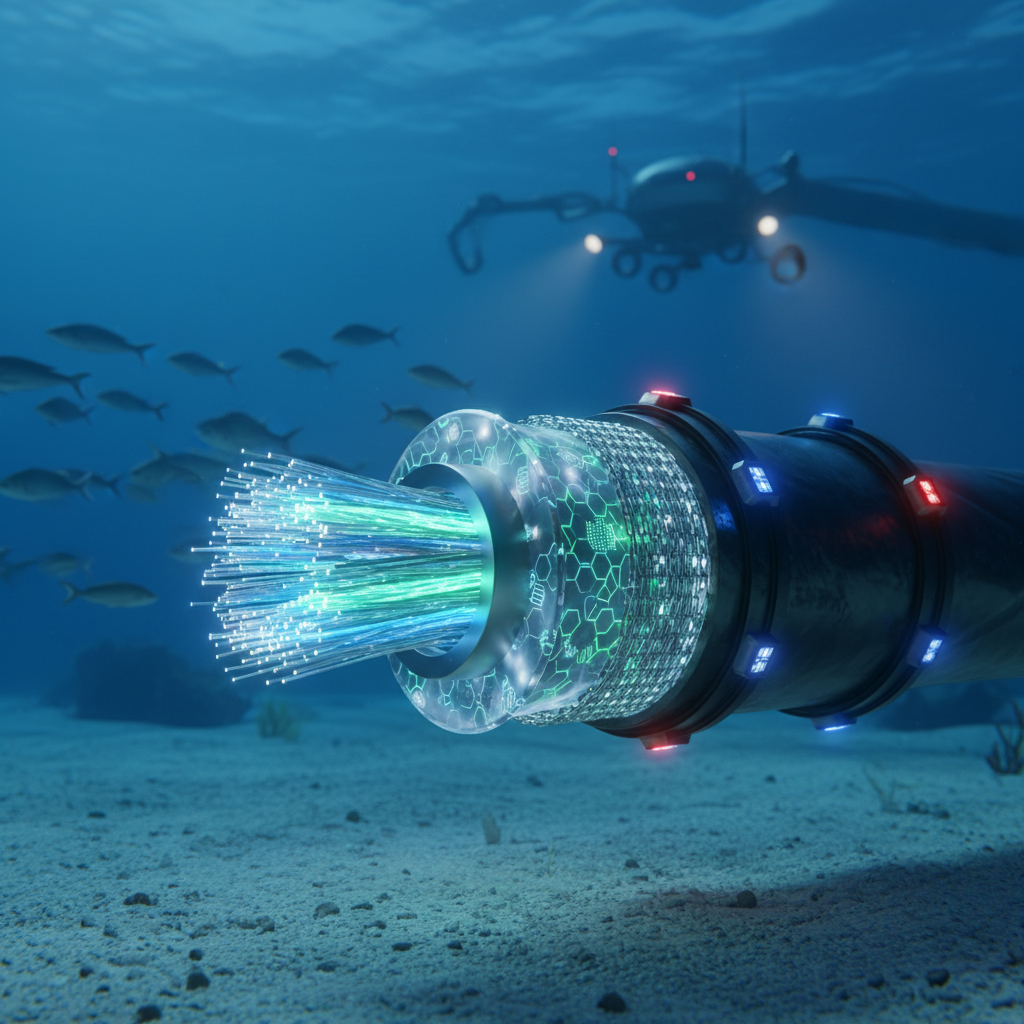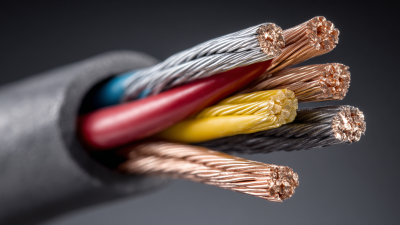
As we approach 2025, the marine cable industry is poised for unprecedented transformation, driven by groundbreaking innovations that promise to enhance global connectivity. According to a recent report from the International Marine Cable Consortium, the demand for undersea bandwidth is set to increase by over 30% annually, necessitating advanced solutions to meet the growing needs of digital consumers and businesses alike. Marine cables, the backbone of international telecommunications, are becoming increasingly critical as they facilitate the exponential growth of data traffic across the globe.
Industry expert Dr. Emma Hartman, a leading figure in marine cable technology, emphasizes the importance of these innovations: “The advancements in marine cable design and deployment are not just technical achievements; they are vital for bridging the digital divide and ensuring that every corner of the globe has access to high-speed internet.” As we delve deeper into the top 10 marine cable innovations of 2025, it is evident that these developments will redefine connectivity, enhance network resilience, and support emerging technologies, ultimately fostering a more interconnected world. The upcoming years will witness a renaissance in marine cable systems, marked by cutting-edge technologies that will create a robust foundation for future communications.
The maritime cable industry is on the brink of a significant transformation, primarily driven by advancements in high-speed undersea cables. These innovations are pivotal for enhancing global connectivity and facilitating the exponential growth of data transfer. As the demand for faster and more reliable internet access escalates, the global hybrid cable market is projected to soar from $7.86 billion in 2024 to $12.69 billion by 2032, with a compound annual growth rate (CAGR) of 6.17%. This surge underscores the urgency for robust infrastructure that can support modern data communication needs.
One of the most remarkable innovations includes the development of cables that can transmit data at unprecedented speeds, significantly reducing latency. High-capacity cable systems are being installed to meet the increasing need for bandwidth, driven by both consumer behavior and the rise of data-intensive technologies such as cloud computing and streaming services. As these technologies evolve, the pressure on undersea cable networks continues to mount, making their performance more critical than ever.
Tips: Consider investing in emerging technology trends that support data transfer efficiency, such as wavelength division multiplexing (WDM) and fiber-optic advancements. These technologies can enhance cable capacity and longevity, ensuring they are future-proof for growing data demands. Additionally, staying informed about global investment trends in the hybrid cable market can provide insights for strategic business decisions in this rapidly evolving landscape.
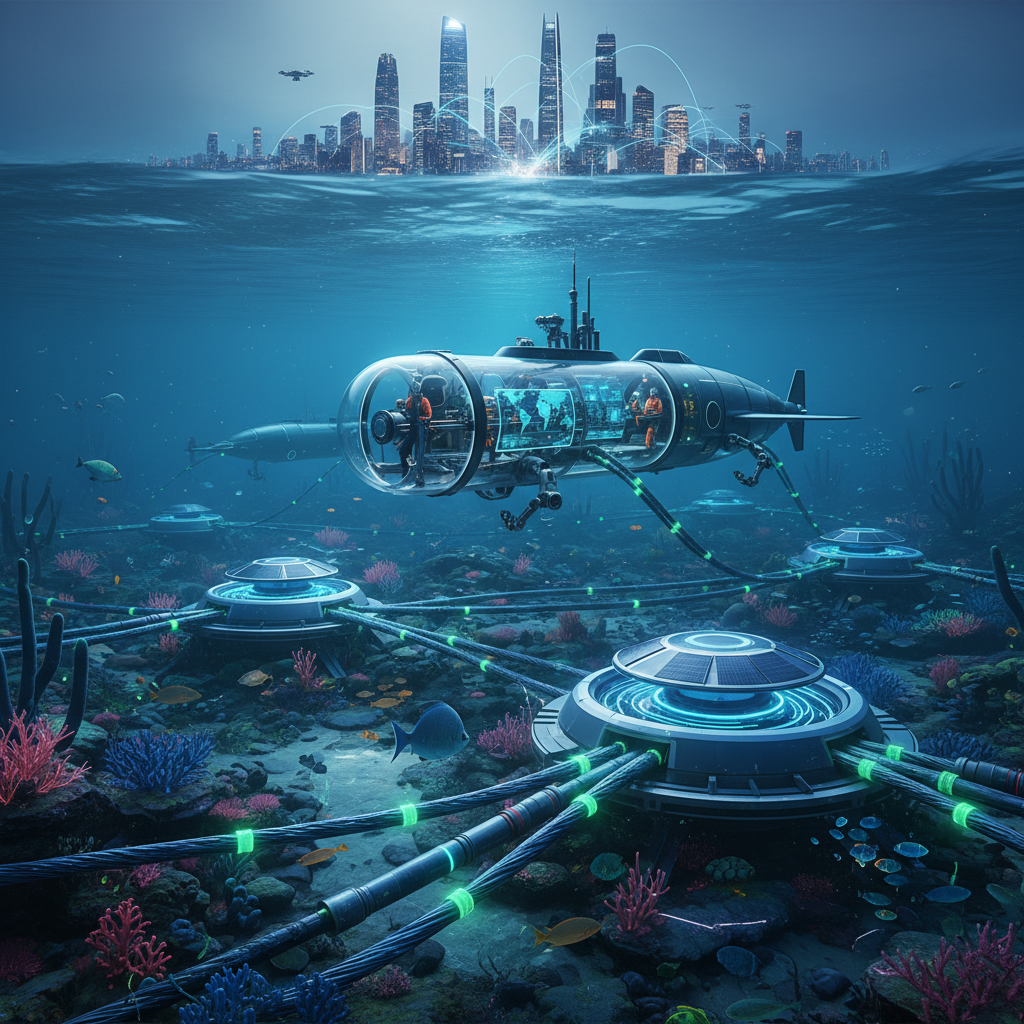
The advent of smart cable technology is set to revolutionize the marine cable industry by improving monitoring and maintenance processes for enhanced resilience. These innovations allow for real-time data collection, enabling operators to detect issues before they escalate into severe problems. By integrating advanced sensors and automatic reporting systems, smart cables can significantly reduce downtime and maintenance costs while ensuring uninterrupted global connectivity.
For maritime operators, implementing smart technology can streamline operations considerably. Monitoring systems equipped with predictive analytics can help identify potential faults, guiding timely interventions. Regularly updated data assessments not only extend the lifespan of marine cables but also boost overall network reliability.
Tip: As you consider integrating smart cable technology, prioritize training for your maintenance teams. Understanding the new systems is crucial for maximizing their benefits and ensuring seamless operations. Additionally, establish a regular review schedule for data analytics reports to keep cables in optimal condition. This proactive approach will help maintain resilience against unexpected challenges in the ever-evolving landscape of global connectivity.
| Innovation | Description | Benefits | Impact on Global Connectivity |
|---|---|---|---|
| Advanced Fiber Optics | Utilization of innovative materials to enhance data transmission rates. | Increased bandwidth and improved reliability. | Facilitates faster internet access globally. |
| Self-Healing Cables | Cables engineered to repair themselves after physical damage. | Reduced downtime and maintenance costs. | Enhances connectivity reliability in disaster-prone areas. |
| Integrated Monitoring Systems | Real-time monitoring of cable performance and environment. | Proactive maintenance and fault detection. | Ensures continuous operation of global networks. |
| Cloud-Based Data Management | Leveraging the cloud for data storage and analytics. | Enhanced data accessibility and analytics capabilities. | Improves operational efficiency across networks. |
| Dynamic Route Optimization | Adaptive routing based on traffic load and conditions. | Optimized data flow and reduced latency. | Enhances user experience with faster connections. |
| Environmental Monitoring Sensors | Sensors embedded in cables to monitor environmental factors. | Improved cable integrity and lifespan. | Supports resilient infrastructure development. |
| AI-Powered Predictive Maintenance | Using AI to predict and schedule maintenance needs. | Minimized unexpected outages and costs. | Maintains optimal service quality for users. |
| Submarine Cable Rejuvenation | Techniques to refresh and upgrade old submarine cables. | Cost-effective modernization of existing infrastructure. | Extends the lifespan of crucial connectivity assets. |
| Robust Cable Laying Techniques | Innovative methods for laying cables in challenging environments. | Decreased risk of damage during deployment. | Facilitates expansion into new markets. |
| Energy Harvesting Cables | Cables that can generate energy from their environment. | Sustainable and self-sufficient solutions. | Reduces reliance on external power sources. |
The marine cable industry is experiencing a remarkable transformation driven by innovations in sustainable materials and designs. As the demand for global connectivity escalates, companies are increasingly focusing on eco-friendly alternatives to traditional marine cables. These innovations not only aim to reduce the environmental impact during production but also prioritize the entire lifecycle of the cables, ensuring they are recyclable and biodegradable. The advent of bio-based polymers and composite materials signals a shift towards greener solutions that not only perform efficiently but also mitigate ecological harm.
Moreover, advancements in deployment technologies contribute significantly to sustainable practices. New cable laying methods, such as automated systems, reduce the disturbance to marine environments and lower carbon footprints associated with installation. Embracing renewable resources and optimizing cable designs for strength and durability further enhances sustainability. As the marine cable sector adopts these innovative approaches, it is setting a precedent for responsible manufacturing, highlighting the importance of protecting ocean ecosystems while expanding the digital landscape. This dual focus on connectivity and environmental stewardship is reshaping the future of global communication networks, making them more resilient and sustainable.
The evolution of submarine networks is pivotal in enabling global connectivity, particularly for the rapidly expanding Internet of Things (IoT) ecosystem. As more devices become interconnected, the demand for bandwidth and low-latency connections skyrockets. Next-gen submarine cables are being designed to meet these challenges, offering increased capacity and resilience against environmental disruptions. Utilizing advanced materials and technologies, these cables ensure smoother data transmission across vast oceanic distances, significantly enhancing the performance of IoT applications ranging from smart cities to autonomous vehicles.
Moreover, the integration of optical amplification and wavelength division multiplexing in the latest submarine cable systems enables the seamless handling of multiple data streams simultaneously. This innovation not only maximizes the usage of available bandwidth but also allows for easier scalability as the number of IoT devices grows. As organizations and governments invest in smarter infrastructure, these next-gen submarine cables are crucial in building a reliable backbone that supports the ongoing digital revolution, ensuring that global connectivity remains robust and efficient in an increasingly interconnected world.
As marine cables become the backbone of global connectivity, their security against cyber threats has never been more critical. Recent innovations in marine cable technology now include robust cybersecurity measures designed to safeguard not only the infrastructure but also the vast amounts of data being transmitted. These enhancements involve advanced encryption methods and real-time monitoring systems that detect anomalies, ensuring that any potential breaches are identified swiftly and mitigated.
**Tips for Protecting Marine Cable Infrastructure:**
1. Implement regular security audits to identify and address vulnerabilities in your marine cable systems.
2. Collaborate with cybersecurity experts to stay updated on emerging threats and best practices in securing marine networks.
3. Encourage training for all staff involved in the operation and maintenance of marine cables, focusing on awareness and response strategies for cyber incidents.
Moreover, the integration of AI-driven technologies allows for predictive maintenance of marine cables, which is vital for preempting failures that could lead to security risks. This proactive approach not only enhances resilience but also fosters greater confidence in the global communication framework, ultimately supporting the digital economy.