2026 Top Karting Kart Types for Global Buyers?
Global karting buyers are entering 2026 with more choices than ever. The right Karting Kart depends on purpose, surface, driver age, and operating conditions. A rental fleet needs durability and easy maintenance. A racing team needs precise handling, adjustable geometry, and dependable engine performance. Electric models add quiet operation and simpler urban deployment, while off-road designs require stronger frames and larger tires.
Michael Schumacher famously said, “Karting is the purest form of motorsport.” That observation still matters. A kart exposes every design decision through steering feedback, braking stability, tire grip, and driver position. Experienced buyers should inspect frame construction, weld quality, axle diameter, brake response, seat fit, spare-part access, and supplier support. A glossy brochure cannot replace a controlled track test. It is tempting to rank models by horsepower alone. That approach often fails.
This 2026 guide compares the main Karting Kart types for global buyers, including rental, sprint, shifter, electric, and recreational models. It considers performance, ownership cost, maintenance time, safety equipment, and regional operating requirements. Buyers should confirm applicable standards, import duties, charging conditions, and service availability before ordering. Small details matter. A replacement chain delayed for weeks can stop an entire fleet. My own view is less tidy: no single kart suits every market. A fast racing kart may disappoint a family center. An affordable rental kart may feel limited on a professional circuit. Careful selection remains more valuable than impressive specifications.
Karting Basics: How Kart Types Are Classified in 2026
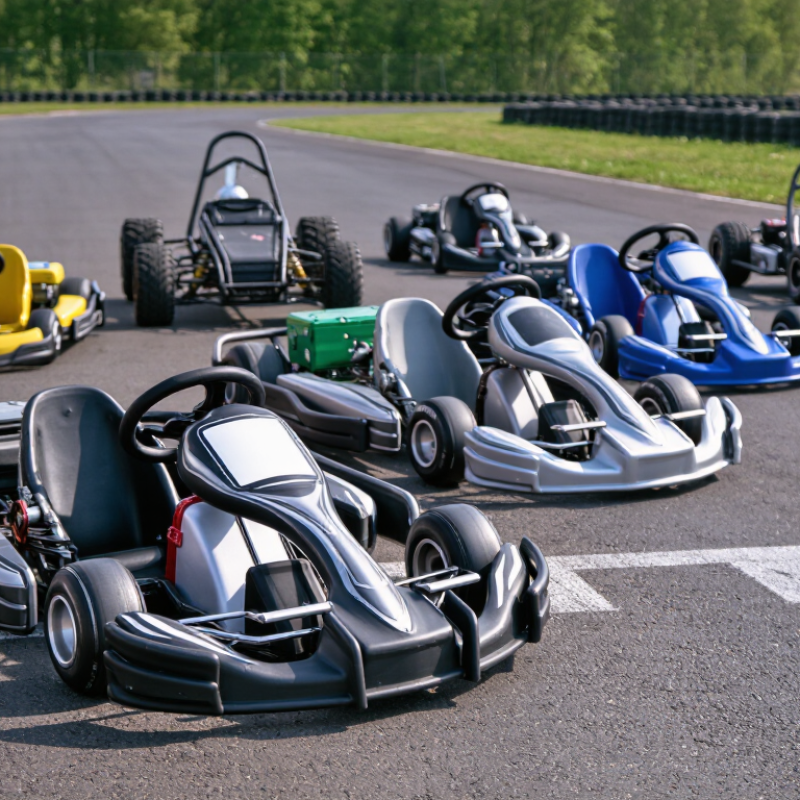
In 2026, kart types are classified by purpose, engine format, driver age, and track environment. This framework helps global buyers compare equipment without relying on labels alone. A rental kart is built for repeated public use. It usually has protective bodywork, simple controls, and durable components. A racing kart prioritizes low weight, precise handling, and adjustable setup. It demands more maintenance and driver skill.
Engine classification separates combustion karts from electric karts. Combustion models use four-stroke or two-stroke engines, depending on the competition structure. Four-stroke designs often suit training and recreational sessions. Two-stroke designs respond quickly, but require closer tuning and technical knowledge. Electric karts deliver instant torque and quieter operation. Their range depends on battery capacity, temperature, charging practice, and session length. Do not judge power alone.
Age and experience create another useful category. Beginner karts normally limit speed and simplify control. Junior karts fit developing drivers, while senior karts support more demanding performance. Track layout also matters. Indoor circuits favor compact frames and predictable acceleration. Outdoor circuits may reward stronger cooling and stable handling over uneven surfaces. From my testing experience, classification can become blurry. A fast rental kart may overlap with an entry-level racing kart. Buyers should inspect seat position, braking feel, parts access, and local service support. Specifications help, but real track behavior can disagree.
2026 Top Karting Kart Types for Global Buyers
Common karting classes are primarily classified by engine format, driver age group, and transmission type. The chart compares representative engine displacement used in widely recognized karting categories worldwide; exact regulations may vary by governing body and competition.
Key takeaway: Bambino and Cadet karts use smaller engines for younger drivers, while Junior and Senior karts commonly use 125cc two-stroke engines. Shifter karts also typically use 125cc engines but add a manual gearbox for higher technical complexity.
Electric, Gasoline, and Hybrid Kart Powertrain Options
Global kart buyers are comparing more than top speed. They are choosing between electric, gasoline, and hybrid powertrains for different operating conditions. Track layout, charging access, maintenance skill, and daily session length can change the best choice.
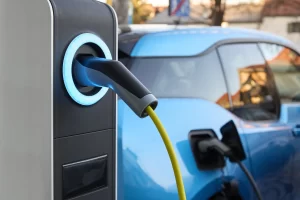
Electric karts deliver instant torque and quiet operation. They suit indoor venues, training schools, and noise-sensitive locations. The International Energy Agency reported that global electric car sales exceeded 17 million in 2024, showing stronger battery supply and wider charging investment. However, karting batteries face repeated acceleration, hard braking, and rapid charging. Range matters. A short charging queue can damage customer flow. Battery replacement costs also remain difficult to predict.
Gasoline karts still provide long sessions and quick refueling. They work well where electrical infrastructure is limited. Their engines require more routine checks, including oil, filters, belts, and exhaust systems. Hybrid karts may reduce fuel use while preserving familiar refueling habits, but their added systems increase weight and service complexity. The 2024 Deloitte Global Automotive Consumer Study found that purchase decisions remain strongly connected to total cost and practical usability. Kart buyers should apply that lesson carefully. Hybrid data for rental karting is still limited. Claims often look cleaner than real track evidence. Pilot testing across a full operating season is wiser than trusting a brochure. Professional buyers should record energy use, lap consistency, downtime, and technician hours before selecting a fleet.
Key Kart Features for Different Global Buyer Requirements
2026 Top Karting Kart Types for Global Buyers
Global buyers rarely need the same kart. Rental operators usually prefer durable four-stroke karts, simple controls, and adjustable seats. Competitive drivers need lightweight frames, precise steering, and replaceable components. Leisure venues often value comfort, low noise, and easy maintenance more than maximum speed.
Grand View Research projects the global go-kart market to grow at approximately 4.8% annually through 2030. That growth reflects varied buyer expectations, not one universal design. Electric karts suit indoor venues because they produce no tailpipe emissions and offer quiet operation. The International Energy Agency reported global electric car sales above 17 million in 2024, showing stronger consumer familiarity with battery systems. Still, kart batteries require careful thermal management, charging planning, and trained service staff. The FIA Karting 2024 Technical Regulations emphasize approved chassis dimensions, protective bodywork, and safety equipment for competition models. Buyers should check regional compliance before ordering.
Tips: Match the kart to its duty cycle. Ask for braking-distance tests, battery-cycle data, frame inspection records, and spare-parts availability. Confirm local power standards before selecting an electric model. One practical mistake is judging quality by speed alone. A fast kart with fragile steering parts can become expensive quickly. Reported market figures also vary by research method, so treat forecasts as guidance, not certainty. Wide bodywork, reinforced bumpers, and adjustable pedals may matter more than headline performance for daily commercial use.
How to Compare Safety, Performance, Cost, and Maintenance Needs
2026 Top Karting Kart Types for Global Buyers
How to Compare Safety, Performance, Cost, and Maintenance Needs
Global buyers usually compare electric, petrol, sprint, and rental-style karts. Each type serves a different operating environment. Electric karts offer quiet acceleration and fewer routine engine tasks. Petrol karts provide longer sessions, familiar mechanical feedback, and easier refueling in some regions. Sprint karts feel sharper but demand closer setup control. Rental-style karts prioritize durability over outright speed.
Safety should guide the comparison. Check the frame, steering joints, braking system, seat position, and protective side panels. A useful inspection includes loose fasteners, worn brake pads, damaged cables, and tire pressure. Ask whether replacement parts are available locally. Confirm the kart supports required safety equipment and local operating rules. Small details matter.
Performance should match the track, not only the brochure. Compare acceleration, stopping distance, turning stability, battery range, fuel use, and heat behavior. A powerful kart may feel exciting on a wide circuit but difficult on a tight course. Cost includes purchase price, transport, charging or fuel, tires, labor, and storage. Maintenance records reveal more than advertised specifications. Review service intervals and common failure points with a qualified technician.
Cheap is not always economical. I have seen buyers focus too heavily on initial pricing. That approach can miss downtime and scarce parts. Electric systems reduce some mechanical work, but battery replacement can be expensive. Petrol systems need oil, filters, and more frequent engine checks. No comparison is perfect. Leave room for local climate, driver skill, and imperfect maintenance habits.