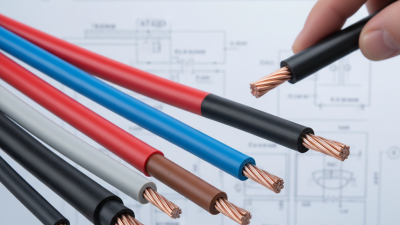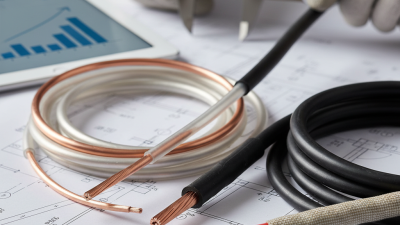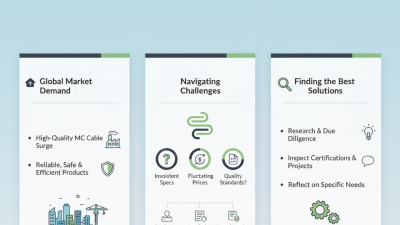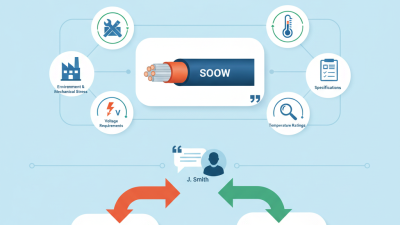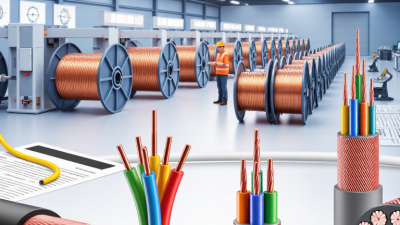
Finding a dependable 2 core cable supplier in China takes more than comparing prices. Buyers need to understand what is inside the cable and how consistently it is made. Conductor material, cross-sectional area, insulation, sheath, and intended application all affect performance. A neat catalogue photo cannot confirm any of them.
As an editorially created sourcing specialist, Lin Wei, puts the buyer’s principle this way: “Trust the test records, not the promise on the product page.” This is an original illustrative quote, not a recorded statement. It captures a practical point: ask for detailed specifications, recent test reports, and samples that match the proposed production batch. Check whether the supplier can explain its process clearly. Vague answers deserve a closer look.
China offers manufacturers, trading companies, and specialist distributors, and each can suit a different purchasing need. This guide will show where to search and how to compare them. It will examine factory capability, product documentation, communication, minimum order quantities, lead times, and after-sales support. Small details matter. A copper conductor that looks bright under warehouse lights still needs proper verification. So does an attractive quotation with unclear delivery terms. No single directory or visit guarantees a good supplier. Use several checks, compare evidence, and keep room for reassessment. That is a more reliable way to source a 2 core cable for a real project.
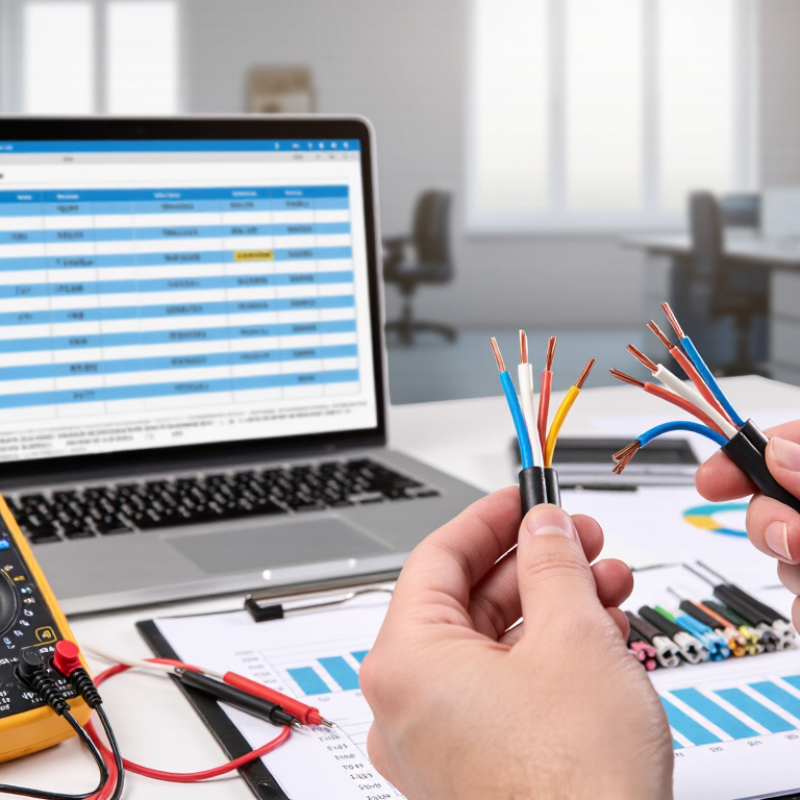
A 2-core cable contains two insulated conductors inside a shared outer sheath. In many AC applications, they carry live and neutral; in DC circuits, they may carry positive and negative. Their exact function depends on the system and cable design.
Simple construction. Flexible stranded conductors can suit equipment that moves, while solid conductors are often used in fixed installations. Insulation and sheath materials affect heat tolerance, flexibility, moisture resistance, and abrasion protection. A cable may look sturdy but still be unsuitable for a hot ceiling space or an exposed outdoor route. That detail is easy to miss.
These cables are commonly used for lamps, small appliances, low-voltage controls, and equipment that does not need an earth conductor within the cable. Two cores do not automatically mean a cable is safe for every appliance; check its rating and installation requirements.
Conductor size, circuit load, cable length, and installation conditions all matter. When comparing suppliers in China, ask for clear product specifications, test documentation, and samples. Check that the markings match the documents and that conductor size and insulation are consistent across samples.
I would not judge quality by a neat outer jacket alone. A careful comparison takes time, and even a good-looking sample cannot prove every production batch will be identical.
Before comparing 2-core cable suppliers in China, write down how the cable will be used. A unit installed indoors has different needs from one exposed to moisture, sunlight, vibration, or frequent movement. Specify the conductor material, cross-sectional area, rated voltage, expected current, and required cable length. Small details matter.
Define the insulation and outer-jacket materials according to the working temperature and environment. State any relevant industry standards for your destination market, and request test reports or inspection records that match the exact specification. A clear drawing or sample can help prevent misunderstandings about conductor colors, dimensions, and packaging. The first draft is rarely perfect.
Then set practical purchasing requirements: sample quantity, minimum order volume, delivery schedule, packaging method, and acceptable tolerances. Ask suppliers how they check conductor dimensions, insulation thickness, and electrical performance during production. Compare their answers with the documents they can provide, not just the quoted price. A low price can hide a specification gap. Leave room to revise assumptions after reviewing samples; even a carefully written request may overlook one installation detail.
To find 2-core cable suppliers in China, start with regional industry directories, provincial electrical-equipment associations, and major trade fairs. Cable manufacturing is concentrated in areas including Jiangsu, Zhejiang, and Guangdong. Shortlist factories that disclose their production address, equipment, and testing process—not just trading companies with polished catalogues.
Demand offers useful context, but it does not prove a supplier is reliable. The International Energy Agency’s 2023 report, Electricity Grids and Secure Energy Transitions, says annual grid investment needs to exceed USD 600 billion by 2030, compared with roughly USD 300 billion today. It also projects about 80 million kilometres of grids will be added or replaced by 2040. These figures describe grid expansion, not demand for any specific 2-core cable. Keep that distinction clear.
Ask shortlisted suppliers for conductor specifications, insulation material, voltage and temperature ratings, and test reports tied to the exact cable model. Check conductor sizing against IEC 60228 where applicable, and confirm the destination market’s requirements. Request samples, then compare markings, dimensions, and test results with the quotation. A video tour helps, but it cannot replace an independent factory audit. That check is imperfect. I would also verify that the certificate issuer and report scope match the product being purchased.
Where to Find the Best 2 Core Cable Suppliers in China?
How to Verify Supplier Quality and Manufacturing Capability
A dependable supplier should be able to explain how its cable is made, tested, and traced. Ask for the factory address and confirm whether production happens there or through subcontractors. Request a recent production record for the cable type you need. Check conductor material and cross-section, insulation thickness, and finished-cable dimensions against your specification. Small differences matter. Ask how operators measure them and how often instruments are calibrated.
Request test reports for samples from the same production line, not only generic certificates. Depending on the cable’s intended use, checks may include conductor resistance, continuity, insulation performance, and flame behavior. Confirm that the test method and limits match your requirements. A live video tour can show equipment and work areas, but it cannot replace an independent inspection. A brief audit may miss routine process gaps. Be cautious if answers are vague or records have no dates, batch numbers, or traceability. Before placing a large order, approve a sample and agree on written acceptance criteria. Keep room for questions; a polished presentation is not proof of consistent manufacturing.
Comparing 2 core cable suppliers starts with a clear specification, not a polished catalog. State the conductor material, cross-sectional area, insulation type, rated voltage, operating temperature, and required cable length. Then check whether each supplier’s proposal matches those details. A copper cable and an aluminum cable may look similar in a product photo, yet perform differently in your application. Small details matter.
Ask for recent test reports, material records, and sample availability. Check whether the documents identify the same product construction and ratings you requested. A sample can reveal practical issues, such as stiff insulation, uneven printing, or a jacket that is difficult to strip. Ask how production batches are inspected and traced. Good answers should be specific, not just “we guarantee quality.” Request evidence.
Price is only one comparison point. Review minimum order quantities, sample fees, production lead times, packaging, and how quickly technical questions receive useful answers. If possible, compare the same specification across quotations; otherwise, a lower price may reflect a different conductor size or insulation grade. A neat catalog can still leave gaps. I would also check whether the supplier explains limitations openly. No supplier fits every project, and a rushed comparison can miss important details.