2026 Best 5 Core Cable Options for Electric Wiring?
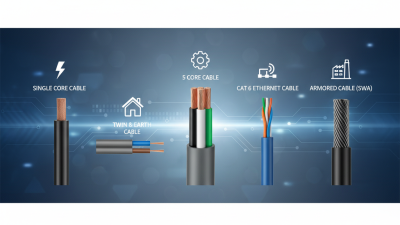
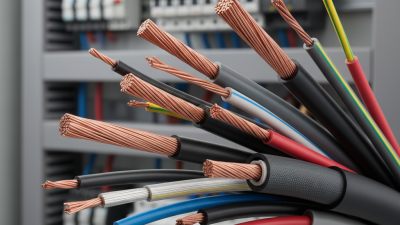
When it comes to electric wiring, choosing the right cable is crucial. The "5 core cable" is a popular option for many applications. This cable offers five distinct conductors within a single sheath, providing versatility and reliability for various electrical projects.
In 2026, several top-rated 5 core cable options have emerged. Each option has unique specifications, making it essential to evaluate them carefully. These cables can handle multiple electrical loads while ensuring safety. However, not every 5 core cable is created equal.
Selecting the wrong type can lead to electrical failures. It's vital to consider factors like insulation type and conductor material. By doing so, you can make informed choices. Understanding the core features of various cables is essential. This process requires reflection and attention to detail. Ultimately, the right 5 core cable can enhance both performance and safety in your wiring projects.
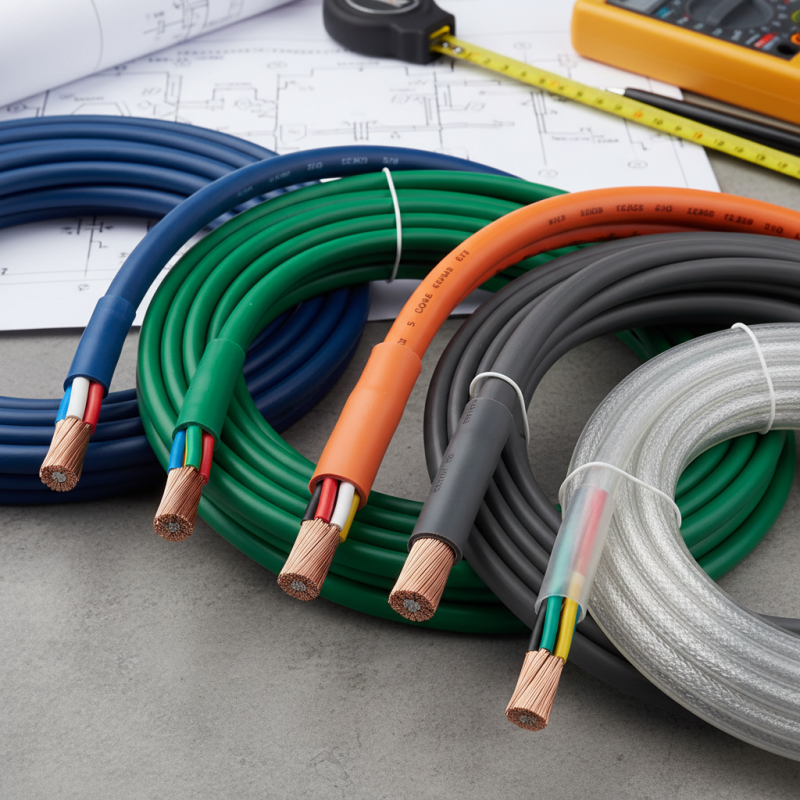
Key Features to Consider in Core Cables for Electric Wiring
When selecting core cables for electric wiring, several key features are crucial. First, the cable material matters. Copper and aluminum are common options, each with pros and cons. Copper offers excellent conductivity but is pricier. Aluminum, while cheaper, can be less efficient. You'll need to weigh your budget against performance needs.
Insulation type is another critical factor. PVC insulation is common due to its affordability and effectiveness. However, it may not withstand extreme temperatures. Consider nylon or rubber for more demanding environments. They can offer better resistance to heat and chemicals, yet may be more costly.
Don’t forget about the cable’s gauge. Thicker cables can handle higher currents but can also be stiff and harder to work with. Smaller gauges are more flexible but can’t support as much load. Reflect on your specific installation needs. Choosing the right core cable takes careful thought and sometimes, trial and error. Mistakes in selection can lead to inefficiencies or safety hazards. Be sure to revisit your options regularly.
2026 Best 5 Core Cable Options for Electric Wiring
This chart illustrates the conductivity levels of various core cable options for electric wiring. Higher conductivity values are preferred for efficient electrical performance.
Top 5 Core Cable Options for Residential Electrical Installations
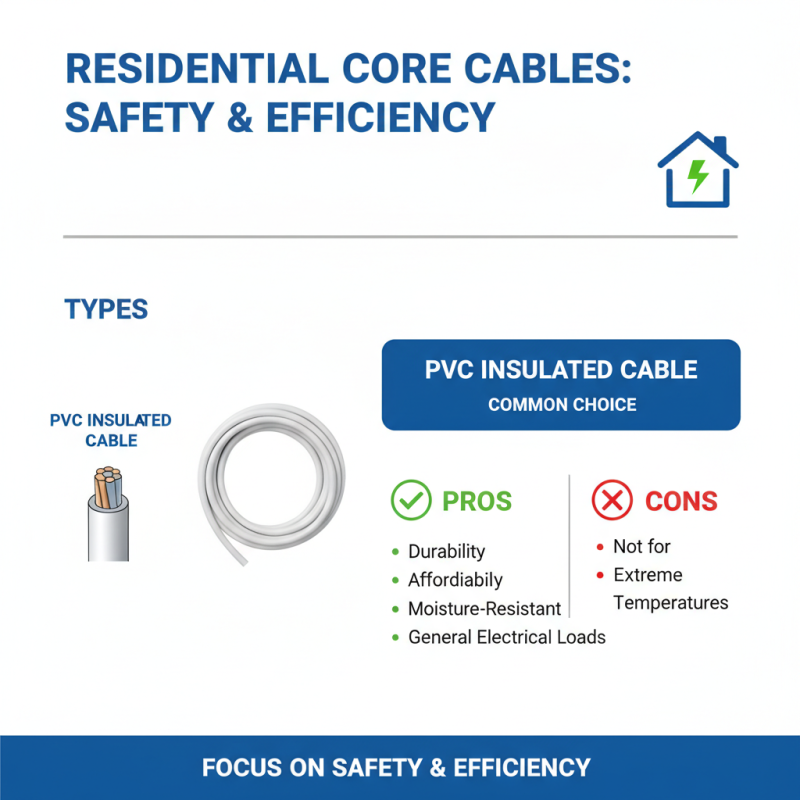
When choosing core cables for residential electrical installations, it's essential to focus on safety and efficiency. Core cables come in various types, each suited for different applications. A common choice is the PVC insulated cable, known for its durability and affordability. It’s resistant to moisture and can handle general electrical loads effectively. However, it may not be the best option for extreme temperature conditions.
Another popular option is the XLPE cable, which offers a high level of insulation and can withstand higher temperatures. This makes it ideal for modern homes with heavy electrical usage. Yet, installation can be complex, requiring professional assistance. Many homeowners overlook this crucial factor, leading to issues later.
For outdoor installations, a flexible rubber cable is often necessary. It provides excellent weather resistance and flexibility for installations in tight spaces. However, the initial cost can be higher than other types. Balancing cost, safety, and installation challenges is often a tricky process. Each choice has its benefits and potential downsides, making it vital to consider your specific needs carefully.
Comparative Analysis of Copper vs. Aluminum Core Cables
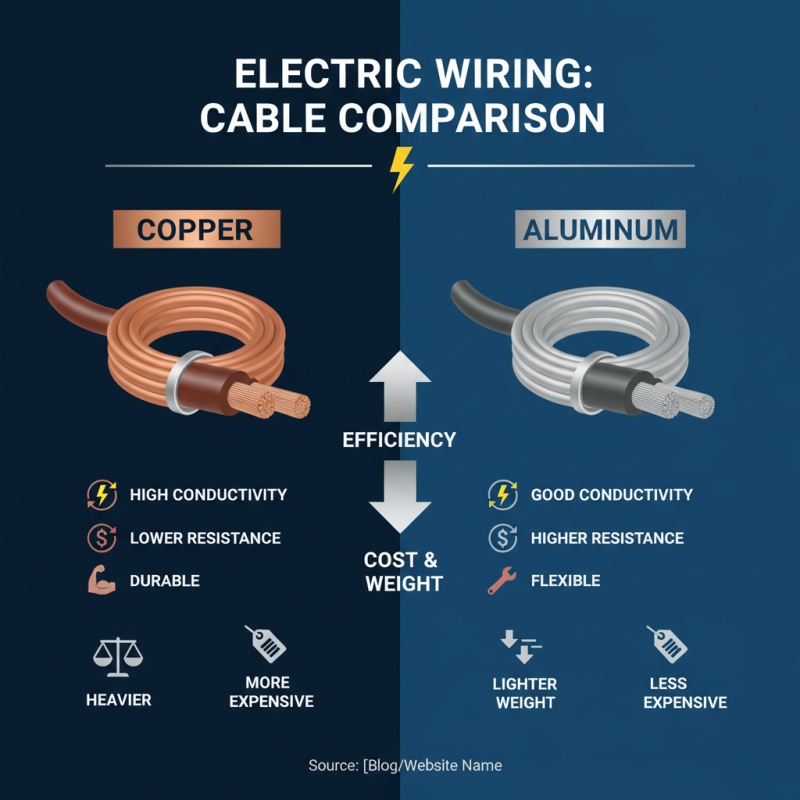
When considering electric wiring, the choice between copper and aluminum core cables is significant. Copper cables are known for their excellent conductivity. They offer lower resistance and are more efficient for carrying electricity. However, copper is often heavier and more expensive compared to aluminum. This can make installation more challenging.
Aluminum, on the other hand, is lighter and more cost-effective. It is easier to work with, especially in large scale projects. However, aluminum has higher resistance compared to copper. This can lead to power losses over long distances. Additionally, aluminum might require more maintenance to prevent oxidation.
Evaluating these options can be tricky. Both materials have their pros and cons. Some projects benefit more from copper, while others may be better suited for aluminum. One must weigh the upfront costs against long-term performance. Real-world scenarios often reveal unexpected challenges with both cable types, prompting a need for careful consideration.
Installation Best Practices for Electric Wiring with Core Cables
When installing electric wiring with core cables, safety comes first. Always wear appropriate protective gear. This includes safety glasses and gloves. Check the local codes for compliance. Ignoring regulations may lead to serious issues. Preparing the workspace is crucial. Keep tools organized and accessible. A clutter-free environment lowers the risk of accidents.
Before starting the installation, measure twice. Accurate measurements prevent mistakes. If a cable is too short, it can cause delays and additional costs. Make sure to choose the right core size for your needs. Oversized cables create unnecessary bulk. Undersized cables can be dangerous and may lead to overheating. Pay attention to cable routing. Avoid sharp bends or pinch points that could damage the insulation.
Start by securing the cables with appropriate clips. This will provide support and stability. Ensure connections are tight, but don't overdo it. Over-tightening can damage the cables. Label each cable clearly if working on a large project. Clear identification helps during troubleshooting. Mistakes are part of learning. Reflect on what you could do better next time. Adjusting your approach can lead to improved results in future installations.
Future Trends in Core Cable Technology for Electrical Systems
As we approach 2026, the landscape of core cable technology for electrical systems is evolving rapidly. Key trends focus on enhancing performance and sustainability. A recent report indicates a projected growth of 8.5% CAGR in the core cable market by 2026. This growth is largely driven by increasing demand for energy-efficient solutions.
Advancements in materials are significant. Research shows that new polymer blends provide improved thermal resistance and durability. These materials can withstand higher voltage, thus enhancing overall safety. However, adoption varies by region. Manufacturers must adapt to different regulatory environments, leading to inconsistencies in product quality.
Another noteworthy trend is the integration of smart technologies into core cables. Sensors embedded in cables can monitor performance in real-time. While this innovation offers substantial benefits, the complexity of installation raises concerns. Industry experts suggest extensive training for technicians, which is often overlooked. As technology progresses, addressing these gaps will be crucial for a seamless transition.