2026 Best Control Cable Options for Global Buyers
In today’s global market, the right choice of control cable can make a significant difference. Buyers must navigate various options, ensuring they find reliable products that meet their specific needs. Control cables are essential in diverse applications, from industrial machinery to automotive systems.
Understanding the intricacies of control cable options can be daunting. Each type varies in materials, durability, and application suitability. Many buyers overlook key specifications that can affect performance. Consider the environment in which the cable will operate. In harsh conditions, flexibility and resistance to elements are crucial.
The global landscape is constantly evolving, creating new challenges for buyers. It's vital to prioritize quality and compliance during decision-making. Brands that prioritize innovation often offer improved features. However, some companies may cut corners, leading to unreliable cables. Therefore, consumers must remain vigilant and informed. This guide aims to illuminate the best control cable options available in 2026, helping buyers navigate this complex market effectively.
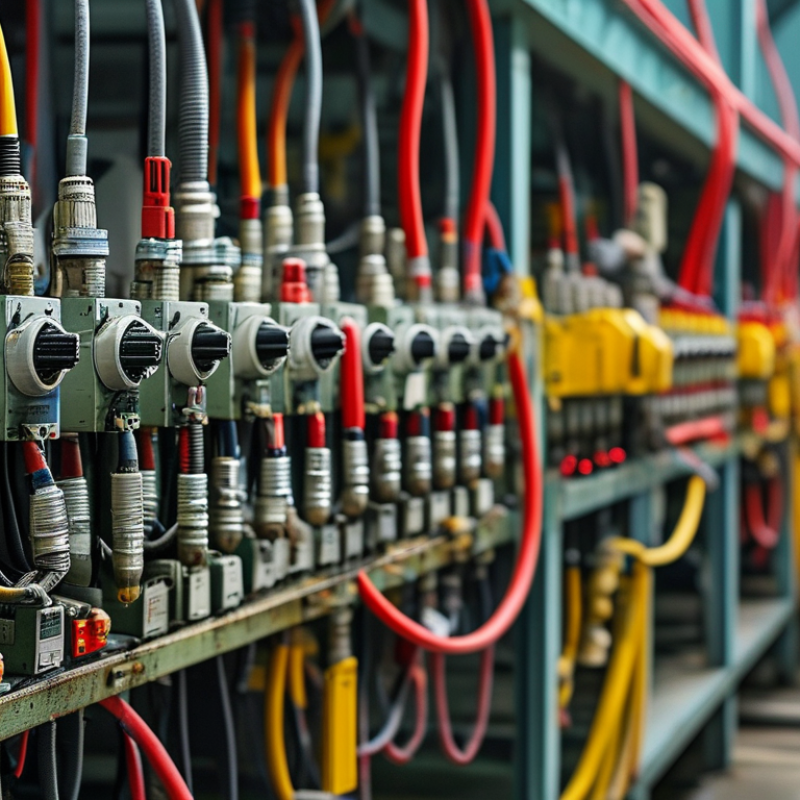
Best Control Cable Types Available Globally for 2026
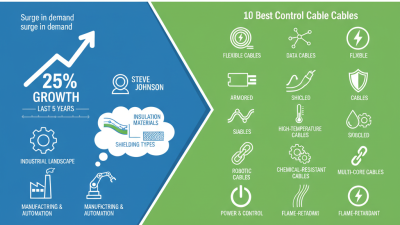
When selecting control cables, global buyers must consider the diverse types available in 2026. The market has evolved, reflecting advancements in technology and consumer needs. Control cables are essential in various industries, including automation, construction, and transportation. According to industry reports, the global control cable market is expected to grow by 5.2% annually, reaching approximately $30 billion by 2026.
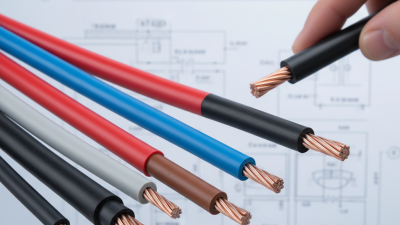
There are several types of control cables to explore. PVC insulated cables are popular for their flexibility and resistance to flame. They perform well in harsh environments but may not withstand extreme temperatures. In contrast, XLPE insulated cables offer enhanced thermal resistance and are suitable for outdoor use. The right choice depends on specific applications and environmental conditions, and buyers should assess their needs carefully.
Material quality and insulation type can significantly impact performance. The cost of premium materials can lead to higher initial expenses, but these cables often provide greater longevity and reduced maintenance costs. Evaluating the long-term benefits versus short-term savings is crucial. Balancing cost and performance is not always straightforward, making expert guidance essential in selecting the right control cable for any project.
Key Features to Consider When Choosing Control Cables
When selecting control cables, several key features warrant careful consideration. First, assess the cable's material and insulation. Different environments require various insulation types to ensure safety and durability. For example, harsh conditions may necessitate cables that resist extreme temperatures or chemicals.
Another crucial factor is the cable's flexibility. This is especially important in applications with complex routing. Flexibility can enhance the ease of installation while reducing stress on the cable over time. Control cables that bend easily are often more suitable for dynamic applications, where movement is constant.
Quality matters too. Look for cables that meet industry standards for performance and reliability. Lower-quality cables can lead to system failures and downtime. Reflect on the long-term costs associated with replacing cheaper options that do not perform well.
Tips can help enhance your decision-making. Evaluate the required voltage ratings and current capacities based on your specific application. Always question if the specifications match your needs. Lastly, review customer feedback when possible. This might give insight into real-world performance and potential issues.
Comparative Analysis of Different Control Cable Manufacturers
Choosing the best control cable is essential for various industrial applications. When analyzing manufacturers, several key factors come into play. Quality, durability, and flexibility are crucial indicators of a cable's performance. According to the International Electrotechnical Commission (IEC), control cables must meet strict standards to ensure safety and efficiency. Many manufacturers claim compliance, but actual performance often varies.
A recent market report highlights that nearly 50% of buyers prioritize quality over cost. This trend suggests a shift in the market towards reliable options. Buyers should consider a manufacturer's history. Companies with decades of experience typically produce more reliable products. Industry experts recommend looking into the testing procedures and certifications a manufacturer possesses.
When selecting a control cable, consider insulation material and environmental resistance. Certain cables perform better in extreme conditions. For instance, those with PVC insulation are suitable for moderate environments, while thermoplastic elastomer options endure higher temperatures. Understanding these aspects can enhance the effectiveness of your choice. It’s worth reflecting on how improper selections can lead to failures or increased costs.
Emerging Trends in Control Cable Technology for 2026
The control cable technology is evolving rapidly, particularly in preparation for 2026. One key trend is the shift towards sustainable materials. Reports indicate that nearly 40% of control cable manufacturers are investing in eco-friendly materials. These materials not only reduce environmental impact but also enhance durability and performance.
Another emerging trend is the integration of smart technologies. Control cables are now being designed with sensors that monitor performance and detect failures. This innovation can potentially reduce maintenance costs by up to 25% according to recent industry analyses. As automation in various sectors increases, the demand for these advanced cables will rise significantly.
For buyers, it’s crucial to focus on performance data. Look into cables with proven longevity and resilience. Check compatibility with existing systems before making a purchase. Transparency about material sourcing is also essential; understanding the environmental impact can guide better choices. As technology continues to advance, staying informed on these trends will be key to selecting the best control cable options.
Guidelines for Sourcing Control Cables from International Suppliers
When sourcing control cables from international suppliers, it is vital to assess the quality of materials. Many manufacturers use different grades of copper and insulation. This affects both performance and longevity. The gauge of the cable impacts resistance and current carrying capacity. Opt for suppliers who provide detailed specifications.
Quality control measures are equally important. Request certifications and test reports from potential suppliers. This helps ensure that the cables meet industry standards. Ask about their manufacturing processes and any quality assurance protocols in place. It's wise to have a checklist of quality criteria.
Another aspect to consider is the supplier's communication and responsiveness. Reliable suppliers should respond promptly to inquiries. They should also be open to addressing concerns or custom requests. Establishing a good rapport can simplify negotiations. Evaluate their track record with other clients. References can provide insights into their reliability. Engage in discussions about delivery timelines and supply chain stability. Clear communication is essential in building long-term partnerships.