Best Thermocouple Wire Types and Their Applications?
In many industrial applications, the choice of thermocouple wire is crucial. Thermocouple wires are used for temperature measurement in various fields, including manufacturing and aerospace. According to the International Society of Automation, around 60% of temperature measurement systems utilize thermocouples. This highlights their importance.
Different types of thermocouple wires serve unique needs. For instance, Type K thermocouple wire is popular due to its wide temperature range and affordability. However, it may not perform well in highly corrosive environments. On the other hand, Type J is more suited for oxidation applications but has a limited working range. Reflecting on these choices reveals challenges in balancing cost and performance.
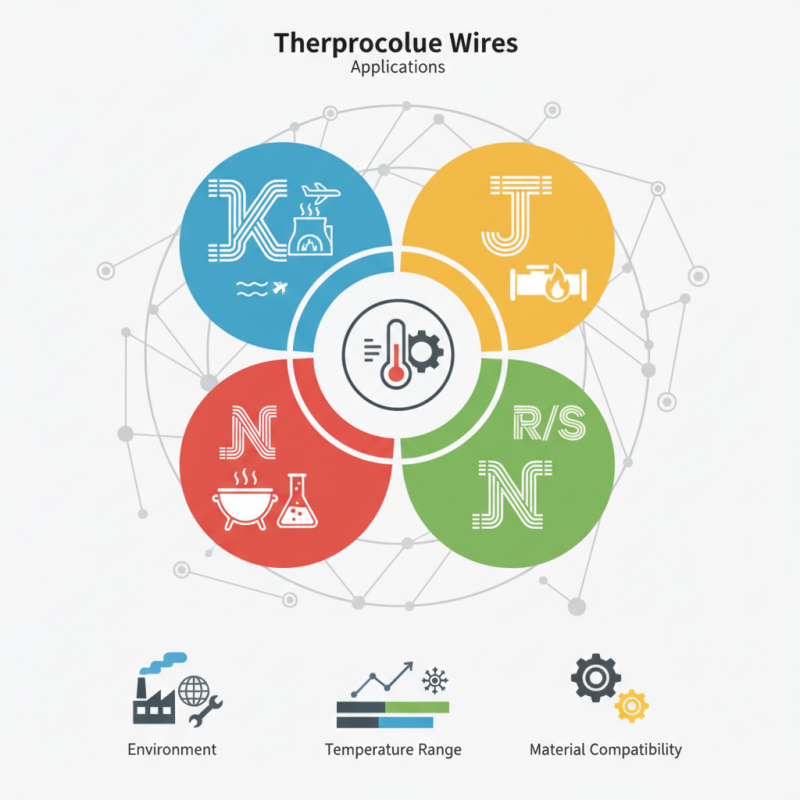
Choosing the right thermocouple wire requires careful consideration. Factors like the environment, temperature range, and material compatibility play vital roles. A wrong choice can lead to inaccurate readings, affecting overall system performance. Thus, understanding the characteristics and applications of each thermocouple wire type is essential for achieving optimal results.
Types of Thermocouple Wires and Their Temperature Ranges
Thermocouple wires come in various types, each designed for specific applications and temperature ranges. Type K thermocouples, for example, are one of the most common. They operate effectively between -200°C and 1260°C. Their versatility makes them popular in laboratories and industrial settings. However, they can suffer from oxidation at high temperatures.
Type J thermocouples are another important option, with a range from -40°C to 750°C. They are often used in older equipment due to their lower cost. Despite their affordability, users should be cautious of their susceptibility to corrosion, which can impact accuracy over time.
Type T thermocouples are suitable for cryogenic applications, functioning effectively from -200°C to 350°C. Their stability in low temperatures is excellent, making them a preferred choice for food processing and pharmaceutical environments. However, they can be less effective in high-temperature settings. When selecting thermocouple wires, consider the specific application and operating environment; each type has its strengths and weaknesses that must be weighed carefully.
Common Materials Used in Thermocouple Wire Construction
Thermocouple wire construction involves various materials, each serving specific purposes. Nickel-based alloys, such as Chromel and Alumel, are widely used. They offer good resistance to oxidation and work well in high-temperature environments. Data shows that they can operate effectively up to 1,200°C. This makes them suitable for a range of industrial applications.
Another common material is Copper. It’s often used in lower-temperature applications. Copper wires are cost-effective and provide excellent conductivity. However, they can degrade at elevated temperatures. This limitation makes them less ideal for high-heat environments. Awareness of these limitations is crucial for proper application.
Stainless steel thermocouple wire performs well in corrosive environments. With a decent temperature range, it stands out for its durability. Reports indicate that it can be effective in temperatures up to 700°C. However, the specifics of the environment can greatly affect its performance. Relying solely on one type of wire may lead to challenges, highlighting the need for diverse material choices. A nuanced understanding is essential to avoid potential failures or inaccuracies in temperature readings.
Best Thermocouple Wire Types and Their Applications
This bar chart illustrates the temperature ranges of different thermocouple wire types including Type K, J, T, E, and N, showcasing their respective applications based on their durability and temperature resistance.
Applications of Thermocouple Wires in Various Industries
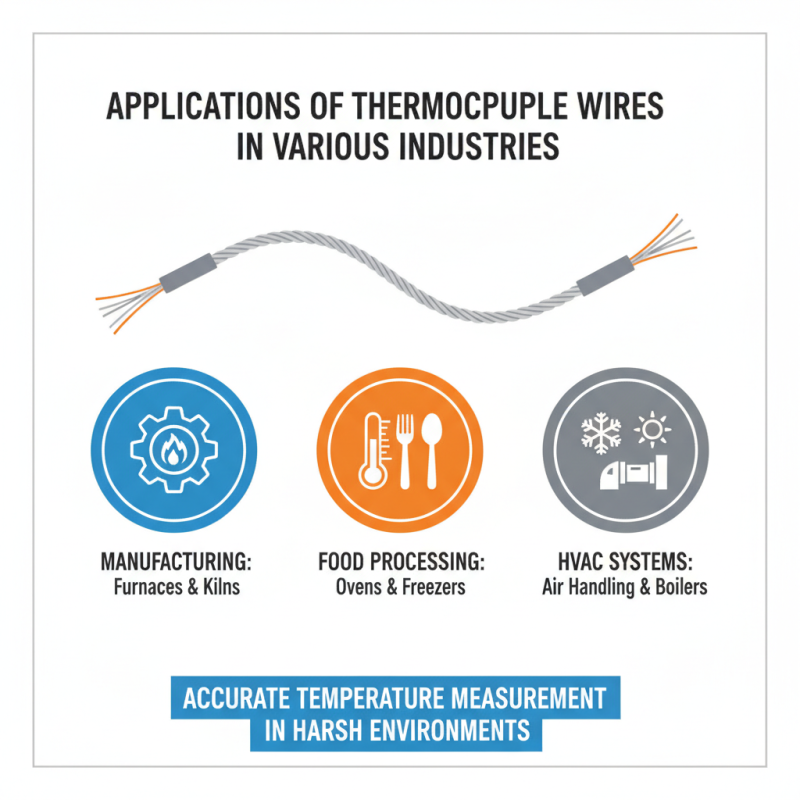
Thermocouple wires play a crucial role in many industries. They are widely used in manufacturing, food processing, and HVAC systems. These wires allow for accurate temperature measurement in harsh environments. In manufacturing, thermocouples help monitor temperatures in furnaces and kilns. They ensure products are heated to the correct levels for quality control.
In food processing, thermocouple wires ensure safety. They measure temperatures in cooking processes, preventing undercooked food. This is critical for meeting health regulations. HVAC systems use thermocouples to optimize energy use. They help maintain comfortable temperatures in buildings while saving costs.
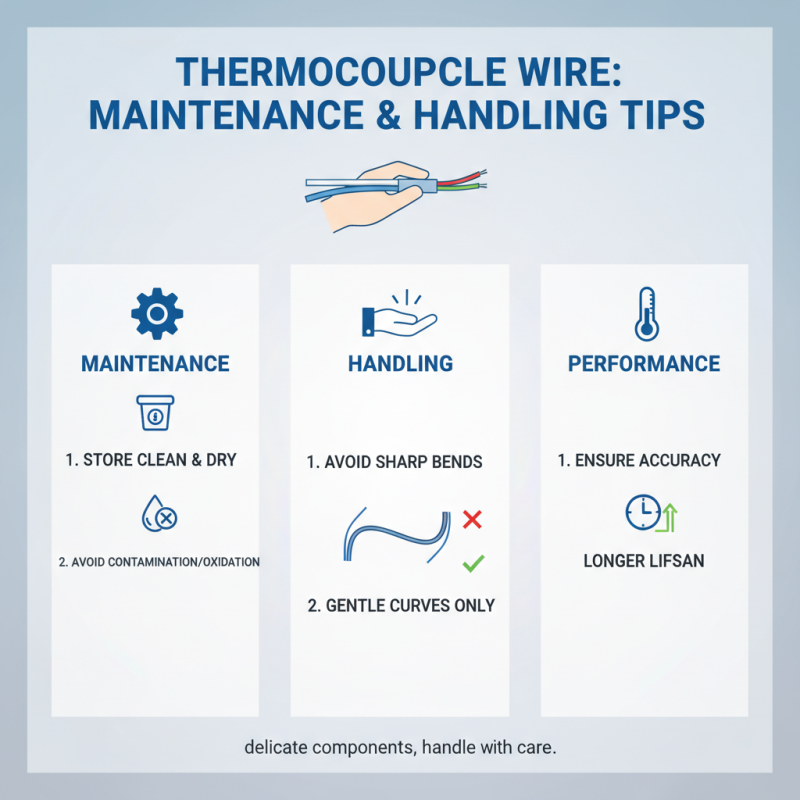
Tips: Always choose the right type of thermocouple wire for your application. Consider factors like temperature range and environmental conditions. Regularly inspect the wires for damage or wear. This keeps measurements accurate and safe.
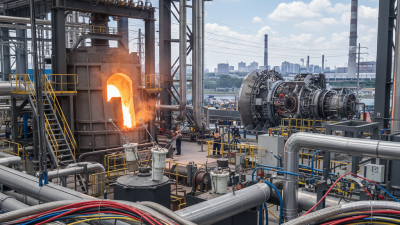
In petrochemical industries, thermocouples monitor processes under extreme conditions. Yet, they can sometimes fail due to corrosion or excessive heat. This leads to inaccurate readings, which can be problematic. It’s essential to evaluate where improvements can be made in installation and maintenance. Taking these steps can ensure long-lasting performance in various applications.
Factors to Consider When Choosing Thermocouple Wire Types
When choosing thermocouple wire types, several important factors come into play. The primary consideration is the operating temperature range.
Thermocouple wires must withstand the specific temperatures they will encounter. For instance, Type K thermocouples can handle up to 1260°C, while
Type T is limited to 400°C. Misjudging this can lead to inaccurate readings or equipment failure.
Another key aspect is the environment where the thermocouple will be used. Chemical exposure can affect wire integrity. For harsh environments, using a protective sheath can be crucial.
According to industry reports, nearly 30% of thermocouple failures stem from inadequate protection against environmental factors.
This highlights the need for careful selection based on application specifications.
Also, consider the wire gauge. A thicker wire can handle more current but may respond slower. In contrast, a thinner wire provides faster response times but less robustness.
The balance between these attributes varies distinctly based on the specific operational requirements.
Recognizing these nuances can prevent costly mistakes in temperature measurement systems.