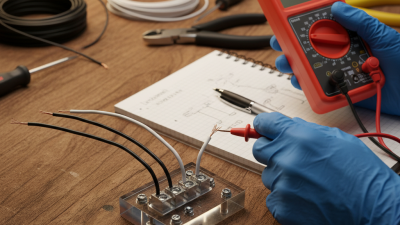
What is the Best Type of Building Wire for Your Project?
Choosing the right building wire is crucial for any construction project. Electrical engineer John Smith emphasizes, "The safety of a project hinges on the quality of its building wire." This insight highlights the importance of selecting the right type for your specific needs.
In the world of construction, not all building wires are created equal. For example, copper wires offer excellent conductivity, while aluminum wires provide affordability. Each choice carries its own set of pros and cons. Many professionals overlook these factors, leading to costly mistakes later.
Consider the environment where the wire will be used. Factors like moisture and temperature can impact performance. Understanding these details can elevate project outcomes. While expertise is essential, clients also need to be informed. Many rely solely on experts without questioning their choices. It’s a balance of trust and understanding. Choosing the right building wire is an investment in safety and efficiency.
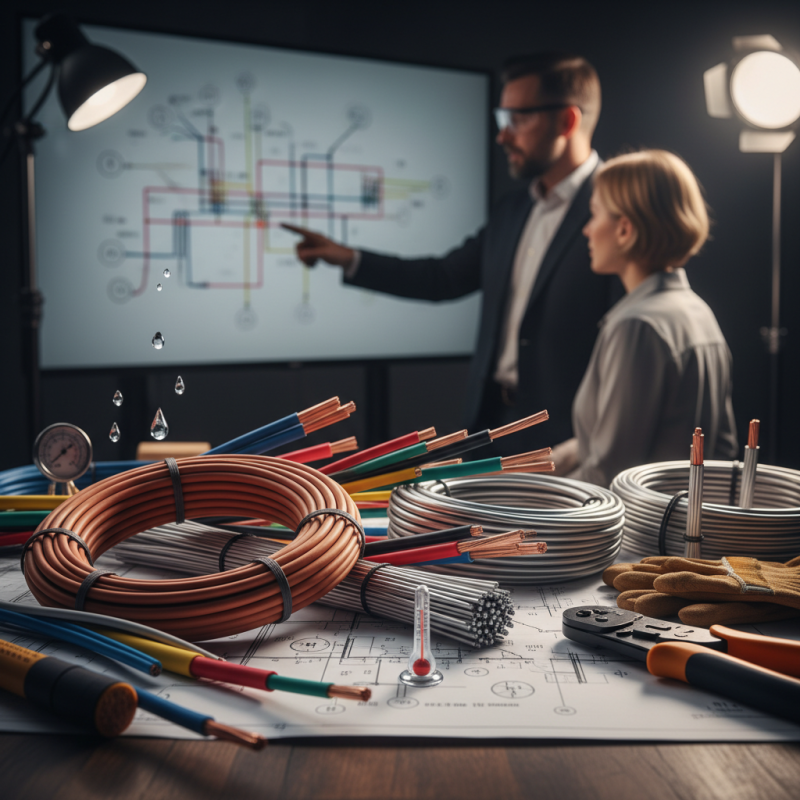
Understanding Different Types of Building Wire Available in the Market
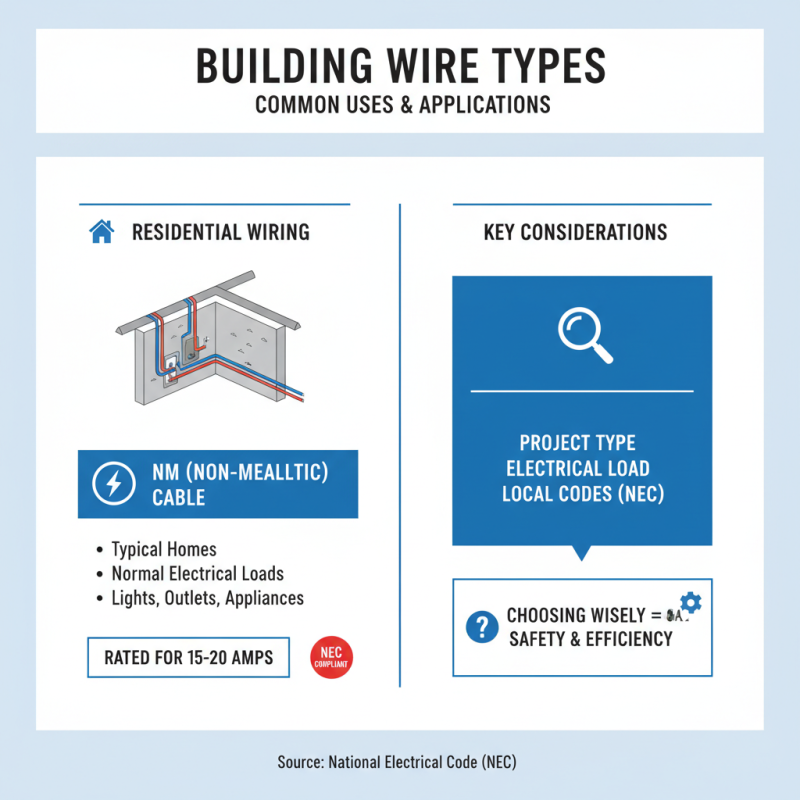
When choosing building wire, it's essential to understand the various types available. Each type serves different purposes and environments. Common options include NM cable, which is ideal for indoor use, and UF cable, which is suitable for underground installations. Understanding these differences ensures that you select the right wire for your project.
Tips: Always verify the wire's specifications for voltage and amperage. This helps prevent potential overloads. For outdoor projects, consider moisture-resistant wire. It can withstand harsher conditions and extend the lifespan of your electrical system. Using the right wire contributes greatly to safety and efficiency.
Wire selection can seem overwhelming. Mistakes can lead to serious safety hazards. If uncertain, consult professionals for guidance. They can provide valuable advice tailored to your specific needs. Their expertise can save time and prevent costly errors in any electrical project.
What is the Best Type of Building Wire for Your Project? - Understanding Different Types of Building Wire Available in the Market
| Wire Type |
Application |
Wire Gauge |
Material |
Insulation Type |
| NM Cable |
Residential wiring |
12-14 AWG |
Copper |
Thermoplastic |
| THHN |
Commercial and industrial |
10-12 AWG |
Copper/Aluminum |
Nylon |
| UF Cable |
Underground wiring |
14-6 AWG |
Copper |
Thermoplastic |
| MC Cable |
Metal conduit applications |
12-10 AWG |
Copper/Aluminum |
Thermoplastic |
| SJOOW |
Portable power applications |
14-6 AWG |
Copper |
Oil and water-resistant |
Key Factors to Consider When Choosing Building Wire for Your Project
When selecting the right building wire for your project, several key factors come into play. Firstly, understanding the electrical load requirements is crucial. A National Electrical Code (NEC) report indicates that most residential circuits should handle 15 to 20 amps. Oversizing or undersizing the wire can lead to significant issues. For example, using a 12-gauge wire for a 15-amp circuit may seem safe, but it can lead to inefficiencies and increased costs.
Material type is another critical factor. Copper wire has superior conductivity compared to aluminum. According to the Electrical Safety Foundation International, copper wires exhibit about 25% less resistance than aluminum. However, aluminum wires are lighter and more affordable. Choosing the right material should reflect the balance between budget constraints and performance.
Additionally, insulation ratings matter for safety and durability. Different environments require specific insulation types. For instance, wiring in damp locations should have waterproof insulation. An industry study found that improper insulation selection leads to approximately 30% of electrical issues in residential projects. Reflecting on these aspects will help ensure a reliable, efficient electrical system.
Comparative Analysis of Conductivity and Durability in Building Wires
When selecting building wire, conductivity and durability stand as paramount factors. The performance of a wire largely depends on its material composition. Copper wires are renowned for their high conductivity, ensuring efficient energy transfer. In contrast, aluminum wires are lighter and more affordable, yet they come with lower conductivity. Knowing these differences helps in making informed decisions for various projects.
Durability is another critical component. Wires must withstand environmental factors like moisture, heat, and physical stress. PVC insulation offers solid protection against moisture, while thermoplastic insulation is flexible and heat-resistant. However, it can degrade faster under extreme conditions. Users should consider the longevity required for their specific applications. Reflecting on past projects may reveal patterns; perhaps certain materials consistently underperformed. Awareness of these issues can aid future choices.
In practical scenarios, one might find that cheaper wires save money upfront but lead to failures later. A careful examination of these trade-offs is crucial. Ultimately, understanding both conductivity and durability helps construct safe, efficient, and reliable projects. Evaluating your needs and past experiences will guide you to the right wire choices.
Safety Standards and Regulations for Electrical Wiring in Buildings
When working on electrical wiring projects, understanding safety standards is crucial. The National Electrical Code (NEC) governs electrical installations in the United States. These standards aim to protect people and property from electrical hazards. For instance, it mandates the use of specific wire types in various settings, influencing material choices.
According to a report by the National Fire Protection Association (NFPA), improper wiring practices contribute to a significant number of electrical fires each year. Ensuring compliance with the NEC can reduce such risks. Many electricians recommend using insulated copper wire for residential applications due to its excellent conductivity and resistance to corrosion. However, this requires careful consideration of the ampacity ratings in specific applications to avoid overheating.
Additionally, various regions may have local amendments to NEC standards. Staying updated on these regulations can be challenging. Some electricians may overlook essential local codes. Therefore, consultation with a certified professional is advisable. This approach can ensure your project adheres to all relevant safety regulations while addressing specific conditions of your geographical location.
Types of Building Wire Used in Construction Projects