The Best 10 Wire Suppliers You Need to Know?
When searching for reliable wire suppliers, the options can be overwhelming. The industry is filled with various companies offering different types of wires for diverse applications. Choosing the right supplier can significantly affect the quality of your projects.
This guide lists the ten best wire suppliers to help you make an informed decision. Each of these suppliers brings unique advantages. You may want to consider aspects like product range, customer service, and delivery times. Exploring these factors will help you find a supplier that aligns with your specific needs.
In a rapidly evolving market, understanding supplier reliability is crucial. While many suppliers promise quality, not all deliver. Mistakes in supplier choice can lead to project delays or increased costs. This guide aims to assist you in navigating the complex landscape of wire suppliers.
Overview of Wire Supplier Industries and Their Importance
The wire supplier industry plays a critical role in global supply chains. According to Market Research Future, the wire and cable market is projected to reach $250 billion by 2025. This staggering growth reflects the rising demand across various sectors, including construction, automotive, and telecommunications.
Wire suppliers contribute significantly to economic development. They ensure the flow of essential materials for infrastructure projects. In 2021, the construction industry alone accounted for nearly 12% of the GDP in several countries. Reliable wire suppliers are crucial to keeping these projects on track. However, challenges like fluctuating raw material prices and supply chain disruptions often affect their reliability.
In the aerospace and automotive industries, specific wire specifications are vital. High-performance materials must withstand extreme conditions. This demand for specialized wire creates opportunities for suppliers that excel in quality and innovation. Yet, the reliance on a limited number of suppliers can lead to vulnerabilities. Companies must consider diversifying their supplier base to mitigate risks and improve reliability.
Key Factors to Consider When Choosing a Wire Supplier
Choosing the right wire supplier is crucial for any project. There are several key factors to consider. First, assess the supplier’s experience in the industry. A supplier with over 10 years of experience often understands market demands better. Look for testimonials from previous clients for reliability indicators.
Quality standards are vital. The International Electrotechnical Commission indicates that 70% of issues arise from subpar materials. Suppliers should provide certifications for compliance with relevant standards. Additionally, consider the range of products they offer. A supplier with a diverse inventory can meet various project requirements efficiently.
Price should match quality. While lower prices attract, they may not guarantee long-term value. According to industry reports, about 80% of clients prefer quality over price when making purchasing decisions. Also, check for customer service responsiveness. Delays can impact project timelines. In the end, careful consideration of these factors can lead to a better supplier relationship and project success.
Top 10 Wire Suppliers: Company Profiles and Offerings
In the wire supply industry, quality and reliability matter greatly. The demand for various wire forms is driven by sectors like construction and manufacturing. According to a recent market report, the global wire and cable market is projected to reach $300 billion by 2026, growing at a CAGR of 4.3%. This expansion highlights the need for trustworthy suppliers who can deliver high-quality products consistently.
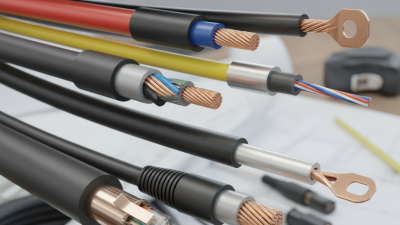
Key players in the wire supply sector offer a range of products, including bare wire, insulated wire, and specialty wire. Each type serves distinct purposes across numerous applications. For example, insulated wires are essential for electrical systems, while specialty wires often cater to unique industrial needs. It’s vital that companies assess the certifications and quality assurance processes of their suppliers. Non-compliance with standards can lead to significant operational issues.
While many suppliers promise excellence, not all meet expectations. Issues such as production delays, inconsistencies in supply, and quality concerns can arise. Industry professionals stress the importance of building relationships with suppliers who demonstrate transparency and a track record of performance. Grasping the complexities of wire supply is essential for businesses aiming to maintain efficiency and product quality.
Evaluating Customer Reviews and Supplier Reliability
When selecting a wire supplier, customer reviews are crucial. They provide insight into a supplier's reliability and product quality. According to a 2022 industry report, over 70% of consumers prioritize reviews when choosing suppliers. Analyzing these reviews can reveal patterns in service and delivery.
Quality matters in wire supply. Suppliers with consistent positive reviews tend to maintain strict quality control. However, not every review tells the full story. Some products may receive high ratings while lacking durability. Cross-referencing different sources can uncover potential issues.
Trustworthy suppliers often exhibit transparency. They should welcome third-party assessments and provide case studies of successful projects. A report from the Wire Manufacturers Association suggests that suppliers with documented reliability can improve client trust. Yet, some suppliers may only highlight their strengths, ignoring weaknesses. A balanced view is essential for informed decisions.
Future Trends in the Wire Supply Market and Innovations
The wire supply market is witnessing significant transformations. Innovations in manufacturing processes are driving efficiency and reducing costs. Advanced materials are becoming common, enhancing strength and flexibility in wire products.
Sustainability is another focus area. Suppliers are exploring eco-friendly materials and recyclable products. This shift meets consumer demand for environmentally responsible options. However, challenges remain. Not all manufacturers can easily adapt to these changes.
Digitalization in procurement processes is on the rise. Many suppliers are adopting advanced software for inventory management. This tech integration helps streamline operations. Yet, not every company is ready for this shift. Many still rely on traditional methods. Continuous training is essential for staff to keep up with these advancements.