


China Top 10 UHP Graphite Electrode Manufacturers?

China Top 10 UHP Graphite Electrode Manufacturers?

China has become a major production base for ultra-high-power furnace components. This guide examines ten leading Chinese manufacturers of UHP Graphite Electrode products.

The selection focuses on measurable performance, manufacturing capability, and buyer experience. Key indicators include electrical resistivity, bulk density, flexural strength, thermal expansion, and ash content. These properties affect arc stability, electrode consumption, and furnace productivity. Product quality begins with carefully selected needle coke and controlled graphitization. It continues through machining, inspection, packaging, and delivery.

Practical evidence matters.

Reliable manufacturers should provide recent test reports, technical data sheets, and traceable batch information. Factory experience with steel mills, foundries, and overseas projects also deserves attention. Buyers may compare nipple accuracy, thread protection, electrode dimensions, and emergency replacement support. A polished website alone proves little. Direct communication with engineers can reveal much more.

This list should not be treated as a permanent ranking. Manufacturer performance can change with raw-material costs, equipment upgrades, export conditions, and production schedules. Public information is also uneven. Some companies publish detailed laboratory results, while others provide only broad claims. That limitation deserves honest recognition.

The following overview offers a practical starting point for supplier evaluation. It combines technical considerations with market reputation and application experience. Readers should still request samples, verify certifications, and assess suitability for their specific furnace conditions. The best supplier is not always the largest. Consistent quality often matters more.
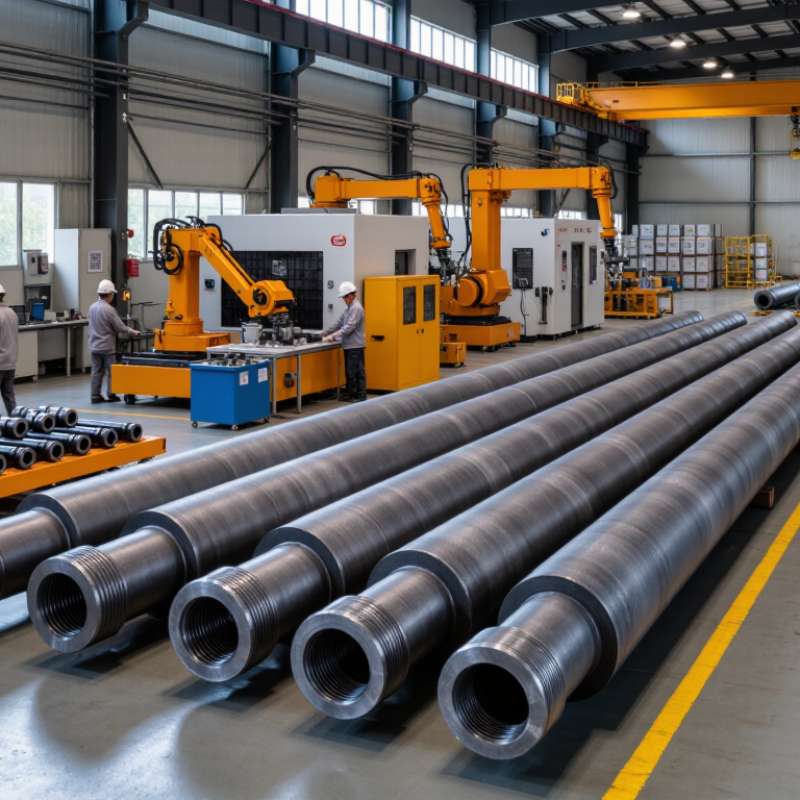
China Top 10 UHP Graphite Electrode Manufacturers?

What UHP Graphite Electrodes Are and Why They Matter

UHP graphite electrodes are not simply larger carbon rods. They are engineered conductors for electric arc furnaces, where intense current melts steel scrap. Their low electrical resistivity and high mechanical strength help maintain a stable arc under severe thermal shock. Typical UHP grades support current densities of roughly 25–40 A/cm², although furnace design changes the real requirement.

The World Steel Association reported that electric arc furnaces produced about 28% of global crude steel in 2023. This share gives UHP electrodes practical importance, especially as scrap-based steelmaking expands. Industry operating data often places electrode consumption near 1.5–2.5 kilograms per tonne of steel. The figure varies with furnace power, scrap quality, oxidation, and operator control. Small differences matter.

USGS mineral reporting also shows graphite remains a strategically important industrial material, with China supplying a major portion of global natural graphite output. However, electrode performance depends on more than raw material origin. Needle coke quality, baking uniformity, graphitization temperature, nipple design, and machining accuracy all affect reliability. A low price can hide higher breakage losses. That lesson is easy to overlook. Even a technically strong electrode may underperform when storage is damp, joints are misaligned, or furnace practices are unstable. UHP is valuable, but it is not magic.

How China’s UHP Graphite Electrode Industry Is Organized

China’s UHP graphite electrode industry is organized as a layered industrial chain, not a simple list of ten manufacturers. Petroleum coke and needle coke suppliers support electrode producers, while separate facilities handle mixing, forming, baking, impregnation, graphitization, and precision machining. Larger producers often control several stages, improving consistency and delivery speed.

Demand is closely tied to electric arc furnace steelmaking. The World Steel Association reported that China produced about 1.019 billion tonnes of crude steel in 2023, representing more than half of global output (World Steel in Figures 2024). However, ranking the top ten producers remains difficult. Public capacity figures can include planned projects, leased workshops, or different definitions of UHP output. The China Carbon Industry Association also shows an industry shaped by consolidation, energy costs, raw-material volatility, and export requirements. The structure is efficient, but not perfectly transparent.

Tips: Buyers should compare electrode diameter, bulk density, resistivity, flexural strength, nipple performance, and testing standards. Factory visits reveal more than brochures. Ask for recent batch records, furnace capabilities, and independent inspection reports. A low quotation may hide longer delivery times or unstable raw materials. This is where careful judgment matters.

How China’s UHP Graphite Electrode Industry Is Organized

Typical minimum current-density classes used for UHP graphite electrodes in Chinese electric arc furnace applications

China’s UHP graphite electrode supply is commonly organized by electrode diameter and current-carrying capacity. Larger diameters support higher total furnace current, while their allowable current density per square centimeter is lower. The values shown represent typical minimum current-density bands used for UHP electrode classification; actual operating conditions depend on furnace design, transformer capacity, cooling, and steelmaking practice.

Criteria for Ranking China’s Leading Manufacturers

Ranking China’s leading UHP graphite electrode manufacturers requires more than production volume. The strongest assessment begins with verified experience in steelmaking environments. Years of operation matter, but field performance matters more. Buyers should examine electrode consumption, breakage rates, and joint stability across different furnace conditions. A supplier with detailed case records shows practical knowledge, not just polished marketing claims. Site visits can reveal mixing, forming, baking, impregnation, graphitization, and machining controls.

Technical capability deserves measurable evidence. Review electrode diameter ranges, apparent density, electrical resistivity, flexural strength, and thermal expansion results. Independent laboratory reports add credibility when test methods and sample dates are clearly stated. Consistent raw-material sourcing and batch traceability also support reliable ranking. Inspectors should compare certificates with production records, packing labels, and shipment documents. Small mismatches matter. They may expose weak quality systems.

Delivery reliability should include lead-time accuracy, protective packaging, spare-joint availability, and responsive technical service. References from long-term users are useful, especially when they describe performance during high-current operation. Compliance with applicable product, environmental, labor, and transport requirements should be documented. However, no ranking is perfectly objective. Public information can be incomplete, and factory tours show only one day. A fair evaluation combines audited evidence, customer feedback, repeat test results, and transparent limitations. The strongest manufacturers can explain failures, correct them, and preserve records without hiding inconvenient details.

China’s Top 10 UHP Graphite Electrode Manufacturers

China’s Top 10 UHP Graphite Electrode Manufacturers are commonly judged by technical consistency, not factory size alone. UHP electrodes support high-current electric arc furnaces, where heat and vibration expose weak materials quickly. A reliable producer should control needle coke selection, forming pressure, baking cycles, impregnation, and graphitization temperature.

In practical purchasing, I examine resistivity, bulk density, flexural strength, and oxidation performance. I also check nipple machining, thread accuracy, packaging, and batch traceability. Small cracks around the joint can cause serious downtime. That detail matters. Manufacturers with in-house testing laboratories can provide clearer quality evidence through sample reports and production records. Export experience also helps, especially when electrodes face long sea transport and changing storage conditions.

The top ten should therefore include producers with stable UHP grades, documented inspection procedures, and responsive technical teams. However, rankings are never perfectly clean. Public data may show excellent specifications but hide differences between batches. A factory may perform strongly on 600 mm electrodes yet struggle with larger sizes. Buyers should request recent samples, furnace-use references, and test results from the same production period. Cost still matters, but an unusually low quotation may reflect lower impregnation quality, weaker machining control, or incomplete inspection. My own assessment would remain provisional until operating data confirms it.

China Top 10 UHP Graphite Electrode Manufacturers? - China’s Top 10 UHP Graphite Electrode Manufacturers

No. Anonymized Manufacturer Profile Primary Production Region UHP Grades Typical Diameter Range Apparent Density Electrical Resistivity Ash Content Nipple Options
01 Manufacturer Profile 01 Northeast China UHP 400–700 300–700 mm ≥1.68 g/cm³ ≤5.5 μΩ·m ≤0.3% 3TPI / 4TPI
02 Manufacturer Profile 02 North China UHP 400–650 300–650 mm ≥1.66 g/cm³ ≤6.0 μΩ·m ≤0.5% 3TPI / 4TPI
03 Manufacturer Profile 03 Central China UHP 450–700 350–700 mm ≥1.67 g/cm³ ≤5.8 μΩ·m ≤0.5% 3TPI / 4TPI
04 Manufacturer Profile 04 East China UHP 400–600 300–600 mm ≥1.65 g/cm³ ≤6.2 μΩ·m ≤0.5% 3TPI / 4TPI
05 Manufacturer Profile 05 Northwest China UHP 400–700 300–700 mm ≥1.68 g/cm³ ≤5.5 μΩ·m ≤0.3% 3TPI / 4TPI
06 Manufacturer Profile 06 Southwest China UHP 450–650 350–650 mm ≥1.66 g/cm³ ≤6.0 μΩ·m ≤0.5% 3TPI / 4TPI
07 Manufacturer Profile 07 East China UHP 400–700 300–700 mm ≥1.67 g/cm³ ≤5.8 μΩ·m ≤0.5% 3TPI / 4TPI
08 Manufacturer Profile 08 North China UHP 450–700 350–700 mm ≥1.68 g/cm³ ≤5.5 μΩ·m ≤0.3% 3TPI / 4TPI
09 Manufacturer Profile 09 Central China UHP 400–600 300–600 mm ≥1.65 g/cm³ ≤6.2 μΩ·m ≤0.5% 3TPI / 4TPI
10 Manufacturer Profile 10 South China UHP 400–650 300–650 mm ≥1.66 g/cm³ ≤6.0 μΩ·m ≤0.5% 3TPI / 4TPI
Technical note: The specifications shown are commonly published UHP graphite electrode ranges for electric arc furnace applications. Final values depend on diameter, grade, nipple design, testing method, and purchase specification; buyers should request current inspection reports and technical data sheets before placing an order.

How to Select the Right UHP Graphite Electrode Supplier

Selecting the right UHP graphite electrode supplier starts with your furnace conditions, not a catalog. In steelmaking, electrode diameter, current density, nipple design, and furnace power must match. Ask for resistivity, bulk density, flexural strength, and thermal expansion data. Request test methods, not only attractive numbers. A low price can become costly when oxidation causes sidewall loss or unexpected breakage. Measure your actual consumption per heat.

A reliable supplier should explain raw material selection, forming pressure, graphitization temperature, and machining tolerances. Visit the production site if possible. Look for controlled storage, sealed packaging, and clear batch identification. Ask for recent inspection reports and samples from the same production lot. I have seen promising samples perform differently during continuous high-current operation. One laboratory result is not enough. Check references from furnaces with similar power and steel grades.

Supplier evaluation should also include delivery discipline and technical support. Confirm lead times, emergency stock, packing standards, and replacement procedures before signing. Discuss nipple fit, torque guidance, joining practice, and recommended operating limits. A capable engineer will ask about transformer capacity and oxygen practice, rather than promise universal performance. Compare total cost per ton, not electrode price alone. Keep trial records: consumption, breaks, current, voltage, and furnace interruptions. Some decisions remain uncertain. Review them after several heats.