China Top Wire for Sale How Can Global Buyers Buy?
Buying wire for sale from China can open access to competitive pricing, broad production capacity, and customized specifications. Yet global buyers should look beyond attractive quotations. The correct supplier must match the wire’s material, diameter, tensile strength, surface finish, packaging, and intended application. A low price means little if coils arrive with rust, uneven coating, or incomplete test records.
W. Edwards Deming, a respected quality-management expert, said, “Quality comes not from inspection, but from the improvement of the production process.” This principle fits wire purchasing closely. Buyers should examine factory experience, production equipment, quality controls, and traceability before placing an order. Request recent mill certificates, inspection reports, product samples, and clear photographs of labels and packaging. Ask practical questions. Can the factory maintain stable tolerances? Can it repeat the same result next month?
Communication also matters. Share technical drawings, acceptable deviations, surface requirements, coil weight, and packing preferences. Confirm production time, shipping terms, payment stages, and inspection responsibilities in writing. Independent pre-shipment inspection may reduce uncertainty, especially for a first order. It cannot replace supplier evaluation, though.
Some buyers focus too heavily on unit price. That is understandable, but incomplete. Freight costs, rejected batches, delays, and repacking can change the final calculation. A careful sourcing process is slower at the beginning. It may prevent expensive surprises later. This guide explains how global buyers can evaluate Chinese suppliers and purchase wire for sale with greater confidence, clearer evidence, and fewer avoidable mistakes.
Understanding China’s Top Wire Products and Their Main Applications
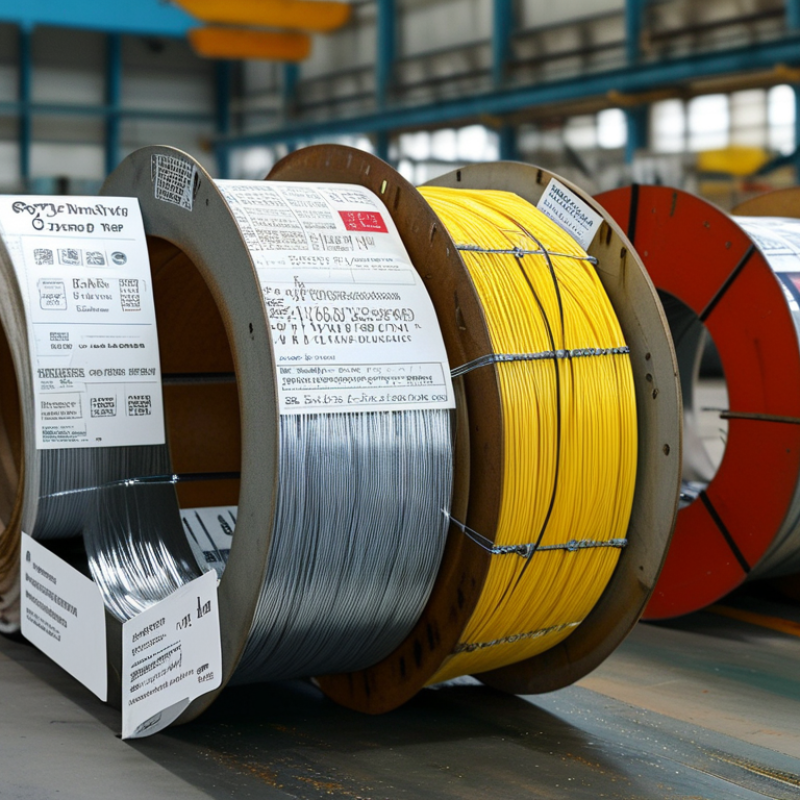
China offers a wide range of top wire products for global buyers. Common options include copper wire, aluminum wire, galvanized steel wire, stainless steel wire, and welding wire. Each material serves a different purpose. Copper wire supports electrical conductivity in cables, control panels, and building systems. Aluminum wire reduces weight in power transmission and overhead lines. Galvanized steel wire resists corrosion in fences, construction supports, and agricultural structures.
Application should guide the purchase. For high-current equipment, buyers should check copper purity, conductor size, insulation type, and resistance values. For outdoor use, coating thickness matters more than a low unit price. A thin zinc layer may fail early in humid or coastal conditions.
Stainless steel wire suits springs, filters, medical equipment, and food-processing areas where cleanliness is important. Welding wire requires careful matching with the base metal and welding process.
Small details matter.
Reliable sourcing requires more than reviewing photos. Ask for material certificates, dimensional reports, tensile data, and batch traceability. Confirm whether measurements follow recognized international standards. Packaging also deserves attention. Moisture-resistant wrapping can protect wire during long sea shipments. I have seen buyers focus on price and overlook spool weight, which creates handling problems later. That mistake is easy to repeat. A better approach compares total cost, application performance, inspection results, and after-sales communication. Samples should be tested before a large order, especially when the wire will carry electricity, support structures, or face continuous mechanical stress.
How to Evaluate Wire Quality, Materials, Sizes, and Technical Standards
China Top Wire for Sale: How Can Global Buyers Buy?
Wire quality begins with a clear specification, not a low quotation. Check the conductor material, coating, tensile strength, elongation, and electrical resistance. Copper wire should show stable conductivity and consistent diameter across the coil. Galvanized or alloy wire needs an even surface without bare spots, heavy lumps, or peeling. Inspect the actual sample.
Confirm sizes using calibrated tools, especially diameter, length, weight, and tolerance. A certificate should identify the test method, production lot, and testing date. Standards such as ASTM, IEC, EN, or ISO may apply, but their requirements are not interchangeable. Match the selected standard to the wire’s end use and destination market. Do not accept a generic “international standard” statement.
Material choice depends on working conditions. Outdoor fencing may require corrosion resistance, while electrical applications demand reliable conductivity and insulation performance. Ask for mill test reports, inspection photos, and independent testing when order value is high. Packaging also matters; moisture-resistant wrapping and firm coils reduce transport damage.
Small details matter.
In practical purchasing, a spreadsheet can look precise and still hide a wrong assumption. For example, buyers sometimes compare price per kilogram without checking coating weight or usable length. Recheck every conversion. Keep a retained sample and record the agreed tolerances before production. Even experienced buyers miss details when specifications change late. That weakness deserves attention.
Where Global Buyers Can Find Reliable Chinese Wire Suppliers
Global buyers can find reliable Chinese wire suppliers through established industry directories, trade fairs, manufacturer websites, and verified sourcing platforms. Search by wire type, material, diameter, insulation, and intended application. A supplier selling every product may deserve extra questions. Specialization often indicates stronger process control.
Check the factory, not only the quotation. Request business licenses, production photos, test reports, quality certificates, and recent export references. Confirm whether documents match the actual factory address. Ask for samples with clear specifications, including conductor size, tensile strength, insulation thickness, and packaging details. Small samples reveal surprising differences.
Communication matters. Reliable suppliers explain tolerances, production schedules, inspection methods, and shipping terms without avoiding difficult questions. Independent factory audits can reduce risk before a large order. Use a written purchase agreement with inspection standards and payment milestones. Do not rely on vague promises.
A low price can hide weak copper content, inconsistent coating, or poor packing. It happens. Even careful buyers can miss one detail. Recheck test results through an accredited laboratory when the application is sensitive. Keep records of approvals, sample changes, and batch numbers. This creates traceability if quality problems appear later. Supplier reliability is built through evidence, repeated checks, and honest communication.
How to Compare Prices, Request Samples, and Verify Manufacturer Credentials
China Top Wire for Sale: How Can Global Buyers Buy?
When comparing wire prices, do not rely on the headline quotation. Request the same specification from several manufacturers. Confirm diameter, material grade, coating weight, tensile strength, packaging, minimum order quantity, and delivery terms. A low price may exclude testing, export packing, or inland freight. Put every item into one comparison sheet. This exposes small differences.
Samples reveal details that catalog images hide. Ask for enough wire to check surface smoothness, winding quality, dimensions, and corrosion resistance. Record the sample number and requested specification. If possible, use an independent laboratory for key tests. One sample is not enough for every order. Production variation can still appear.
Manufacturer credentials require careful verification. Request a current business license, factory address, production photos, test reports, and quality certificates. Check whether the legal company name matches the quotation and bank information. Ask for recent shipment references, but protect confidential customer details. A video call can show machinery, inspection tools, and warehouse labels. During one sourcing review, the quoted coating thickness differed from the sample report. The mistake was caught late. That experience changed our process: every technical promise now appears in the purchase contract, with an agreed inspection method and remedy for nonconformity. Suppliers may welcome questions, but vague answers deserve another check.
How to Place Orders, Manage Shipping, and Complete Import Procedures
China Top Wire for Sale: How Can Global Buyers Buy?
Global buyers should treat wire purchasing as a documented project, not a quick online transaction. Define material, diameter, tensile strength, coating, tolerance, coil weight, and intended use. Request a formal quotation showing quantity, production lead time, payment terms, and validity. Ask for a sample or inspection report when specifications affect safety or performance. Confirm the seller’s legal entity and manufacturing capacity through verifiable records. Small details matter. An unclear drawing can create expensive rework.
Place the order with a signed purchase contract and a precise packing list. State inspection standards, acceptable variation, labeling, and the process for handling defects. Agree on shipping terms before payment. Specify the named port, delivery responsibility, insurance, and risk-transfer point. Sea freight suits heavy coils, while air freight may suit urgent samples. Use strong moisture protection, corner guards, and lifting marks on every package. Photographs taken before loading can help resolve disputes. Build buffer time. Port schedules are not always reliable.
Before arrival, check the correct tariff classification and import requirements with a licensed customs professional. Prepare the commercial invoice, packing list, bill of lading, origin documents, and any required test certificates. Do not copy a tariff code from an old shipment. Rules and product details can change. Calculate duties, taxes, port fees, storage, and inland transport before placing the order. Keep digital and paper records for payment, inspection, and customs review. Some buyers focus on factory price and overlook total landed cost. That oversight can turn a competitive quote into a costly import.