


7 Tips for Choosing a Vehicle Wedge Barrier

7 Tips for Choosing a Vehicle Wedge Barrier

Choosing a Vehicle Wedge Barrier is not simply a matter of selecting the strongest-looking steel plate. The right system must match the site, vehicle threat, traffic flow, and maintenance capacity. As physical security author Dr. Mary Lynn Garcia states, “Security works best as a system, not as a single product.” That principle matters at every entrance.

This guide presents seven practical tips for evaluating a Vehicle Wedge Barrier. Start with the required impact rating, such as ASTM F2656, IWA 14-1, or PAS 68. Confirm that the tested configuration matches the proposed installation. A rating can lose meaning when the foundation, road surface, or barrier spacing changes. Check the clear roadway width, wedge height, stopping distance, and cycle speed. These details affect delivery vehicles, emergency access, and daily congestion.

Look below the surface. Foundation depth, drainage, groundwater, and nearby utilities can determine whether installation succeeds. Hydraulic units may suit heavy-duty sites, while electromechanical systems can simplify certain maintenance plans. Neither option is universally better. Climate matters, too. Salt air, freezing temperatures, dust, and standing water expose weak designs quickly.

Ask about controls, backup operation, sensors, warning lights, and integration with access systems. Maintenance records should be clear. Spare parts should be available locally, if possible. A barrier that stops one test vehicle but fails during a power outage is not a complete solution. That is an uncomfortable point.

Security teams should compare lifecycle cost, not only purchase price. A careful site survey may reveal that a smaller, properly installed Vehicle Wedge Barrier performs better than an oversized model. Real conditions are rarely perfect. That is why verification, qualified installation, and scheduled inspection deserve equal attention.
7 Tips for Choosing a Vehicle Wedge Barrier

Vehicle Wedge Barriers: Purpose, Types, and Protection Levels

7 Tips for Choosing a Vehicle Wedge Barrier

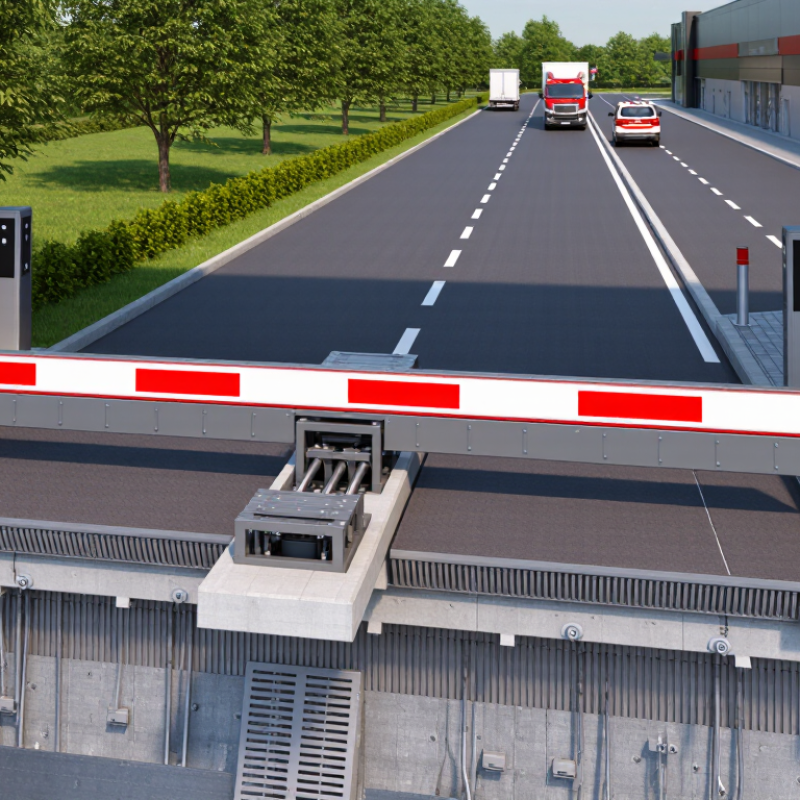
Vehicle wedge barriers control hostile or accidental vehicle access at gates, driveways, and sensitive entrances. Their raised steel plate creates a physical stop, while the lowered position permits approved traffic. They are not simply oversized gates. Their purpose includes delaying impact, protecting pedestrians, and supporting controlled site movement.

Choose the type according to traffic patterns and installation conditions. Fixed wedges suit locations requiring constant protection. Retractable models fit entrances that need regular vehicle access. Shallow-mount systems can help where underground space is limited, although drainage and foundation strength still matter. Deep-mount designs usually provide greater structural support, but excavation can disrupt existing utilities. Check opening width, cycle frequency, emergency access, and visible warning equipment before selecting a model.

Protection levels must match the credible vehicle threat, not an impressive label. Review independent crash-test evidence, tested vehicle weight, impact speed, penetration distance, and installation details. A barrier tested at one speed may not provide the same protection at another. Ask whether the rating covers the complete system, including foundations and controls. Maintenance also affects real performance. Inspect hinges, hydraulic parts, sensors, and drainage regularly. A perfect rating on paper can still disappoint when water collects beneath the plate or operators skip inspections. That is an uncomfortable detail. Site-specific engineering review remains essential.

Assessing Site Risks and Selecting the Right Barrier Design

7 Tips for Choosing a Vehicle Wedge Barrier

Assessing Site Risks and Selecting the Right Barrier Design

A reliable wedge barrier begins with a clear site-risk assessment. The WHO’s 2023 Global Status Report records approximately 1.19 million road deaths in 2021. This highlights the need to separate vehicles from pedestrians, even at low-speed entrances. NHTSA’s 2023 Traffic Safety Facts reports 40,901 U.S. traffic fatalities. Busy access points deserve careful traffic analysis, not guesswork.

Measure vehicle mass, approach speed, lane width, stopping distance, and likely impact angles. Review delivery schedules and emergency access requirements. ASTM F2656 testing helps compare crash performance under defined vehicle conditions. However, a test rating does not automatically suit every location. A heavy barrier may protect a gate but restrict drainage, maintenance, or fire access. The first risk map is rarely complete.

Choose a shallow-mounted design where underground utilities limit excavation. Use a deeper foundation when soil conditions and expected impact energy demand stronger anchoring. Check warning lights, controls, cycle speed, and backup operation. A barrier that rises too slowly can create unsafe queues. One that cycles too quickly may suffer mechanical wear. Small details matter. Field inspections should include night visibility and rainwater buildup. I would also challenge the initial design after observing real traffic for several days. Human behavior is less predictable than drawings suggest.

7 Tips for Choosing a Vehicle Wedge Barrier: Assessing Site Risks and Selecting the Right Barrier Design

Vehicle-impact ratings indicate the test speed used to evaluate a barrier system. Under ASTM F2656 classification, M30, M40, and M50 represent impact-test speeds of 30, 40, and 50 mph respectively. The appropriate wedge barrier should also consider vehicle mass, required penetration rating, approach lanes, traffic volume, stopping distance, foundation conditions, drainage, emergency access, and maintenance requirements.

Reference framework: ASTM F2656 vehicle-impact testing. Test ratings are not a substitute for a project-specific security and engineering assessment.

Comparing Materials, Dimensions, and Vehicle Impact Ratings

7 Tips for Choosing a Vehicle Wedge Barrier

Comparing Materials, Dimensions, and Vehicle Impact Ratings

Material selection shapes service life, maintenance, and resistance to repeated impacts. Steel offers high structural strength, while galvanized or coated finishes help resist moisture. Stainless steel suits harsh coastal environments, but its higher cost needs justification. Concrete foundations must also match the barrier’s load path. Surface appearance alone proves little.

Measure the roadway before choosing a wedge barrier. Record lane width, drainage slopes, curb heights, and available pit depth. A shallow site may require a compact design, but reduced depth can limit structural performance. Check the raised height against vehicle clearance needs. Small errors matter.

Review impact ratings under recognized test standards, such as ASTM F2656 or IWA 14-1. Confirm the tested vehicle mass, approach speed, penetration distance, and mounting conditions. A rating is not transferable between every installation. Ask for test reports, engineering drawings, and maintenance instructions. Look for realistic evidence. Field inspections often reveal problems caused by weak foundations, poor drainage, or neglected hinges. Select hydraulic or electromechanical operation according to weather, traffic frequency, and response requirements. Include manual release provisions where appropriate. The quietest system is not always the most dependable. A useful review should also question assumptions, especially when site data is incomplete. Reliability comes from the complete assembly, not the wedge alone.

Evaluating Installation, Operation, Maintenance, and Safety Features

7 Tips for Choosing a Vehicle Wedge Barrier

Evaluating Installation, Operation, Maintenance, and Safety Features

Choosing a vehicle wedge barrier requires more than checking its stopping strength. Installation conditions matter. Measure road width, foundation depth, drainage, and underground utilities before selecting equipment. Poor drainage can freeze moving parts and damage electrical cabinets. A level approach helps vehicles cross safely. Allow space for warning lights, sensors, and emergency access. The FBI Crime Data Explorer recorded more than one million motor vehicle thefts in 2023. That figure supports controlled vehicle access, but barriers should not replace trained security procedures.

Review operating speed, cycle time, noise, and manual override functions. Ask how the barrier behaves during power loss, sensor failure, or communication interruptions. It should stop safely, not simply stop quickly. NHTSA estimated 40,901 U.S. traffic fatalities in 2023. A barrier cannot solve every traffic risk, yet visible signals, vehicle detection, and interlocked gates can reduce confusion near entrances. I have seen impressive specifications fail during ordinary rain. Field conditions are less perfect than brochures.

Maintenance deserves equal attention. Request inspection intervals, spare-part availability, corrosion resistance, and service access without blocking the lane. Impact performance should be verified through recognized standards, such as IWA 14-1 or ASTM F2656, using stated vehicle mass and impact speed. Do not compare ratings without reading the test configuration. A small design detail can change the result. Operators also need practical training, clear emergency procedures, and documented inspections. Safety is partly hardware. It is also daily discipline.

7 Tips for Choosing a Vehicle Wedge Barrier - Evaluating Installation, Operation, Maintenance, and Safety Features

Tip Evaluation Dimension What to Check Practical Selection Guidance Operational or Safety Impact Priority
1 Verify the Threat Rating Vehicle impact resistance Confirm that the barrier has an independently documented crash-test or engineering rating appropriate for the site risk. Review the test vehicle type, impact speed, penetration distance, foundation design, and installation conditions. Match the tested performance to the actual access road, vehicle classes, approach direction, and required security level. Do not treat an impact rating as transferable when the foundation or installation differs materially from the tested configuration. The rating is meaningful only when the installed system follows the manufacturer’s approved foundation, anchoring, and operating requirements. Critical
2 Assess Site Installation Foundation and civil works Check excavation depth, drainage, groundwater conditions, concrete strength, reinforcement, utilities, road surface, and available equipment for delivery and installation. Request site drawings and a pre-installation survey. A shallow surface-mounted design may reduce civil work, while a recessed wedge generally requires more excavation and careful drainage planning. Poor drainage can cause corrosion, freezing problems, sensor faults, and slower movement. Incorrect foundation work can also reduce impact performance. Critical
3 Compare Operating Methods Actuation and traffic control Evaluate hydraulic, electromechanical, or other approved actuation systems; raise and lower times; duty cycle; control interfaces; and compatibility with access control, intercom, RFID, or license-plate systems. Select a system that supports the expected traffic volume and opening frequency. Confirm that authorized users can operate it consistently without creating unnecessary queues. Predictable movement and clear status indication help reduce vehicle conflicts, tailgating, and accidental deployment in the path of a vehicle. High
4 Review Safety Features Vehicle and pedestrian protection Look for presence detection, safety loops, photoelectric sensors, audible and visual warnings, emergency stop controls, edge protection, and safe movement logic. Use redundant detection where the risk assessment requires it. Confirm sensor coverage for motorcycles, bicycles, pedestrians, and vehicles with unusual ground clearance. Safety systems should help prevent movement when an obstruction is detected, but they should not replace trained operators, traffic procedures, or physical site controls. Critical
5 Plan Emergency Operation Manual release and failure response Confirm the availability of manual lowering or release procedures, backup power options, emergency access arrangements, position indicators, and documented responses to power, control, or hydraulic failures. Ensure emergency procedures are accessible to trained personnel and that fire, ambulance, police, and facility teams understand how the barrier behaves during a failure. A secure barrier must not prevent evacuation or emergency response. Failure modes should be defined before commissioning. Critical
6 Calculate Maintenance Needs Serviceability and lifecycle cost Check inspection intervals, lubrication points, hydraulic fluid requirements, corrosion protection, replacement parts, access to control cabinets, and availability of qualified service personnel. Compare the total lifecycle cost rather than purchase price alone. Ask for preventive-maintenance schedules, recommended spare parts, warranty conditions, and expected service response times. Planned maintenance improves reliability and helps identify worn components, damaged sensors, water ingress, and changes in operating speed before they become safety problems. High
7 Confirm Compliance and Training Standards, documentation, and users Review applicable local building, electrical, traffic, accessibility, occupational-safety, and security requirements. Request installation manuals, wiring diagrams, risk assessments, test records, and operator training materials. Have the design reviewed by qualified site, structural, electrical, and security professionals where required. Include commissioning, acceptance testing, operator training, and periodic refresher training in the project plan. Clear documentation and trained operators support consistent use, easier troubleshooting, regulatory compliance, and safer responses to alarms or faults. High

Note: Final selection should be based on a site-specific risk assessment, applicable local requirements, and the barrier’s verified installation and performance documentation.

Reviewing Standards, Costs, and Long-Term Security Performance

Choosing a vehicle wedge barrier requires more than comparing steel thickness or lifting speed. Define the actual threat first: vehicle size, approach angle, traffic frequency, and required security level. Then check applicable local standards, impact-test evidence, and installation requirements. A certificate alone is not enough. Ask whether the tested configuration matches your proposed foundation, controls, and road surface.

Purchase price can hide major costs. Compare excavation, drainage, electrical work, traffic control, commissioning, inspections, spare parts, and energy use. A low quote may become expensive after repeated repairs. Request a realistic maintenance schedule and clarify response times for faults. Consider emergency access too. A barrier that stays raised during a power failure can create operational problems.

Long-term performance depends on the whole site, not only the wedge mechanism. Examine water drainage, corrosion protection, warning signals, control-panel access, and pedestrian separation. Review service records from similar installations when possible. I have seen projects focus heavily on impact ratings while overlooking poor drainage. That mistake shortened equipment life. No barrier is maintenance-free. My own assessment would still include uncertainty, especially when soil conditions or traffic patterns may change. Choose a system with measurable inspection points, documented training, and support that remains available years after installation.