How to Choose Building Wire for Global Sourcing in 2026?

How to Choose Building Wire for Global Sourcing in 2026?

How to Choose Building Wire for Global Sourcing in 2026?

Global construction is becoming more connected, but electrical requirements remain highly local. Grand View Research valued the global wires and cables market at approximately USD 216.5 billion in 2022. It also forecasts continued growth through 2030. The International Energy Agency reports that buildings consume about 30% of global final energy. Reliable building wire therefore supports safety, efficiency, and long-term asset performance.

Not just price.

A practical sourcing decision should examine conductor material, insulation type, voltage rating, temperature resistance, flame performance, and certification. IEC 60228 defines conductor classes and resistance requirements. IEC 60332 addresses flame propagation testing. Regional rules may also require UL, CSA, BS, VDE, or other approvals. A certificate alone is not enough. Buyers should match the certificate to the exact product construction, factory, and production date.

Electrical safety specialist Jim Dollard has repeatedly emphasized a central field lesson: “The installation must be safe, not merely code-compliant.” That principle matters when comparing suppliers across borders. A cheaper cable may use thinner insulation, inconsistent copper, or unclear batch records. Those details can become expensive during installation.

Small differences matter.

Supplier audits, sample testing, traceability records, and independent laboratory reports create stronger evidence than marketing claims. Yet the process is not perfect. Standards change, documents expire, and one successful sample cannot represent every shipment. Global buyers should build a 2026 sourcing plan around verified performance, local compliance, and realistic installation conditions—not assumptions.

How to Choose Building Wire for Global Sourcing in 2026?

Define Building Wire Types and Their Global Applications

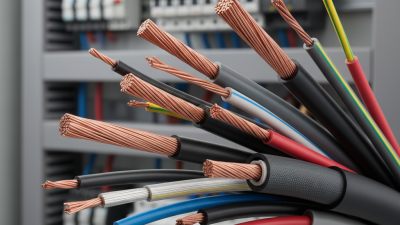
Building wire is not one universal product. It describes insulated conductors installed inside buildings, usually through conduit, trunking, or approved cable systems. Single-core wire suits branch circuits and distribution panels. Multicore cable simplifies connections where several conductors share one sheath. Flexible wire works well for equipment connections, while fire-resistant and low-smoke, halogen-free types support evacuation routes and crowded public spaces.

Applications change with the building and environment. Residential projects often use copper conductors with PVC insulation for lighting and socket circuits. Commercial towers may require flame-retardant insulation, higher temperature ratings, and clear circuit identification. Factories and utility rooms can need larger cross-sections, stronger mechanical protection, or moisture-resistant designs. Wet locations demand suitable water resistance. Outdoor sections may require UV protection. These details matter more than appearance.

Global sourcing needs a careful comparison of conductor size, voltage rating, insulation material, temperature limit, and testing standard. IEC, UL, and national requirements are not automatically interchangeable. A cable approved for a dry indoor circuit may fail a different market’s fire or installation rules. Confirm the destination country, local voltage, installation method, and certification documents before ordering. A clean specification can still miss site conditions. That is the part worth reviewing twice. Samples, test reports, batch records, and traceable markings also improve purchasing reliability.

Match Wire Materials to Voltage, Temperature, and Installation Conditions

Choosing building wire for global sourcing begins with the operating environment, not the catalog description. Copper offers strong conductivity and flexible installation. Aluminum can reduce weight and material cost, but it needs careful terminal compatibility. Do not compare conductors by price alone. A smaller cable may run hotter under the same load.

Match insulation to voltage and temperature. PVC insulation suits many ordinary indoor circuits, while XLPE handles higher thermal demands in suitable applications. Low-smoke, halogen-free insulation may be preferable in crowded public buildings or enclosed routes. Check the rated voltage, continuous operating temperature, and short-circuit performance together. A wire rated for higher voltage is not automatically suitable for high heat.

Installation conditions often expose weak specifications. Measure conduit fill, bending space, moisture, sunlight, chemicals, and mechanical stress. Underground routes may require stronger moisture resistance. Cable near motors can face vibration and repeated temperature changes. I have seen projects select excellent conductors but overlook cramped bends at distribution boxes. That mistake creates installation delays and unreliable connections. Ask suppliers for test reports, traceable batch records, conductor dimensions, insulation thickness, and clear marking. Verify documents against the destination market’s applicable codes. A neat spreadsheet is not enough. Field conditions still decide performance.

How to Choose Building Wire for Global Sourcing in 2026? — Match Wire Materials to Voltage, Temperature, and Installation Conditions
Typical Application Conductor Material Insulation / Sheath Typical Voltage Rating Maximum Conductor Temperature Recommended Installation Conditions Key Selection Advantages Important Sourcing Checks
Indoor lighting and socket circuits in dry locations Annealed copper PVC insulation 300/500 V or 450/750 V 70°C Fixed installation in conduit, trunking, cable ducts, or protected building spaces; dry and moderate-temperature environments. High electrical conductivity, good flexibility, easy termination, and broad compatibility with common building wiring systems. Confirm the applicable national standard, conductor class, insulation thickness, flame performance, color identification, and required voltage designation.
General-purpose power distribution and higher-load final circuits Annealed copper XLPE insulation 0.6/1 kV 90°C Conduit, cable tray, trunking, or fixed installation where higher thermal capacity is required. Higher continuous temperature rating than standard PVC, improved thermal endurance, and suitability for many low-voltage distribution systems. Verify short-circuit temperature rating, minimum bending radius, conductor stranding, compatibility with terminals, and ampacity correction factors.
Commercial buildings requiring reduced smoke and corrosive gas emissions Annealed copper Low-smoke zero-halogen (LSZH) compound 450/750 V or 0.6/1 kV Typically 70°C or 90°C, depending on construction Public buildings, transport facilities, data rooms, evacuation routes, and enclosed areas where smoke and halogen emissions must be limited. Low smoke generation and halogen-free characteristics during fire exposure, helping reduce corrosive gas risks and improve visibility. Request independently verified smoke, halogen-acid gas, flame-spread, and fire-performance test results; “LSZH” alone does not define all fire behaviors.
Long fixed runs where conductor weight and material cost are important Aluminum alloy or electrical-grade aluminum XLPE insulation 0.6/1 kV 90°C Fixed feeders, utility-scale building services, cable trays, ducts, and large cross-sectional conductors; not normally selected for small flexible final circuits. Lower density and generally lower raw-material cost than copper, which can reduce cable weight for large conductors. Use terminals and lugs specifically approved for aluminum; control oxide formation, joint torque, thermal expansion, contact resistance, and transition connections to copper.
Outdoor or damp-location low-voltage wiring Annealed copper Moisture-resistant PVC or XLPE with suitable outer protection 450/750 V or 0.6/1 kV 70°C for many PVC designs; 90°C for many XLPE designs Outdoor conduit, damp rooms, utility areas, underground ducts, or locations exposed to condensation; direct burial requires a suitable approved construction. Good conductivity with insulation systems designed to resist moisture under the specified installation conditions. Check water-resistance classification, UV resistance, soil and chemical compatibility, mechanical protection, drainage, and whether direct burial is permitted.
Areas exposed to elevated ambient temperature Copper or aluminum, selected according to load and termination requirements XLPE or another temperature-rated thermoset insulation 0.6/1 kV typical for distribution circuits 90°C continuous; higher emergency or short-circuit limits may apply by standard Plant rooms, boiler areas, industrial service spaces, rooftops, and installations where ambient temperature exceeds ordinary indoor conditions. Greater thermal margin than 70°C PVC systems when properly sized and installed. Apply ambient-temperature derating; do not use the 90°C rating to exceed terminal or equipment ratings, which may be lower.
Flexible connections to movable equipment or prefabricated assemblies Fine-stranded annealed copper Flexible PVC, elastomer, or LSZH compound designed for movement 300/500 V, 450/750 V, or 0.6/1 kV depending on design Typically 70°C to 90°C Equipment connections, control panels, modular construction, and applications requiring repeated bending within the cable manufacturer’s stated limits. Superior flexibility and easier routing compared with solid or coarser-stranded conductors. Confirm flexing category, bend radius, mechanical life, oil and chemical resistance, conductor class, ferrule compatibility, and strain-relief requirements.
Fire-alarm, emergency, or life-safety circuits Copper Fire-resistant or circuit-integrity construction, with suitable insulation and sheath Typically 300/500 V or 0.6/1 kV, according to the system design Normal rating commonly 70°C or 90°C; fire-survival performance is separately specified Emergency systems, fire detection, smoke control, evacuation equipment, and other circuits requiring operation during a defined fire-exposure period. Can maintain circuit integrity for a specified duration when the complete cable, support, joint, and installation system are tested together. Verify the required fire-resistance duration, flame spread, smoke performance, circuit-integrity test method, support system, and local approval requirements.
High-density cable tray or bundled installation Copper or aluminum, according to load, size, and approved termination method XLPE, PVC, or LSZH selected for the fire and environmental requirements 450/750 V or 0.6/1 kV 70°C or 90°C, subject to the cable design and installation standard Multiple circuits installed together in trays, ducts, trunking, or enclosed spaces with limited heat dissipation. Suitable insulation options are available for different thermal, fire, smoke, and environmental requirements. Calculate grouping, ambient temperature, installation method, ventilation, harmonic currents, and voltage drop; ampacity cannot be selected from conductor size alone.
Corrosive, oily, or chemically exposed service areas Copper or aluminum with compatible terminations Chemically resistant PVC, XLPE, elastomer, or dedicated protective sheath 450/750 V or 0.6/1 kV Typically 70°C to 90°C, depending on insulation and sheath Workshops, treatment facilities, industrial process areas, parking structures, and locations exposed to oils, solvents, salts, or cleaning chemicals. Can provide better service life when the insulation and sheath are matched to the actual chemical exposure. Obtain chemical-resistance data for the specific substance, concentration, temperature, and exposure duration; generic PVC or XLPE claims are not sufficient.
Selection note: Voltage rating, conductor temperature rating, and insulation type are only part of a compliant wire specification. Final selection must also consider current-carrying capacity, voltage drop, short-circuit withstand, installation method, ambient temperature, grouping, mechanical protection, fire performance, termination ratings, and the electrical code applicable at the installation site. Typical values are provided for global sourcing comparison. Always verify the exact construction and test requirements against the destination market’s current regulations and the applicable product standard.

Compare International Standards, Certifications, and Regulatory Requirements

How to Choose Building Wire for Global Sourcing in 2026?

Building wire is not globally interchangeable. A conductor approved for one market may fail another market’s installation or fire requirements. Start with the destination country, voltage system, conductor material, insulation rating, and installation environment. IEC 60227 and IEC 60502 cover different cable applications, while IEC 60364 guides low-voltage installation practices. North American projects may require different construction, marking, and testing rules. Do not treat “IEC compliant” as universal approval.

Certification evidence needs careful checking. Request test reports, factory certificates, traceability records, and samples from the same production line. For European supply, verify CPR reaction-to-fire classification where applicable, plus REACH and RoHS documentation. For North American sourcing, review applicable national safety standards and inspection marks. A certificate is not a passport. Its scope, expiry date, and tested cable construction matter.

Fire performance deserves practical attention. NFPA’s Fire Loss in the United States During 2023 estimated 1,388,500 fires and about 22.2 billion dollars in direct property damage. That figure does not prove every incident involved wiring, but it shows why flame spread and smoke testing cannot be treated as paperwork.

Ask for vertical flame, smoke, halogen, and heat-resistance results when buildings demand them. I have seen procurement teams compare only conductor size and price. That shortcut is imperfect, and sometimes expensive. Confirm markings, metric or imperial dimensions, bend radius, local language labels, and independent surveillance before shipment.

Evaluate Supplier Quality, Testing, Traceability, and Production Capacity

How to Choose Building Wire for Global Sourcing in 2026?

Supplier quality starts with evidence, not polished presentations. Request production samples, material specifications, and recent test reports before negotiating price. Check conductor dimensions, insulation thickness, flexibility, flame performance, and resistance values. Ask whether tests were performed on current production batches. A certificate from last year may not describe today’s wire.

Testing should match the installation environment. Review temperature ratings, voltage performance, aging resistance, and moisture exposure results. Independent laboratory verification adds credibility, especially for unfamiliar suppliers. Request the test method, sample identification, laboratory date, and acceptance criteria. Small details matter. A missing sample code can weaken traceability.

Traceability should connect finished coils with raw materials, operators, machines, and inspection records. Scan labels during production and compare them with packing documents. Then verify whether the supplier can retrieve records quickly. Production capacity also needs practical proof. Review monthly output, extrusion lines, shift patterns, maintenance schedules, and current order commitments. A large factory may still lack available capacity during peak seasons. Ask for a realistic lead-time plan, including testing, packing, and shipment preparation. The weak point is often overlooked: capacity figures may describe maximum output, not dependable output. Build a small trial order into the evaluation. It may reveal inconsistent printing, uneven insulation, or delayed responses before a larger commitment. No checklist catches everything. Reassess suppliers when materials, equipment, or production locations change.

Calculate Total Sourcing Costs, Logistics Risks, and Long-Term Value

How to Choose Building Wire for Global Sourcing in 2026?

Building wire selection should begin with total landed cost, not unit price. Include conductor material, insulation type, testing, packaging, freight, insurance, duties, and local taxes. A low quotation can become expensive after port storage and customs delays. My first sourcing estimate was too optimistic because it ignored unloading charges and currency changes.

Tips: Request a complete cost sheet. Compare prices by usable meter, not by coil. Check conductor size, insulation thickness, temperature rating, and packaging condition. Ask for recent test reports and production samples. Confirm that the wire meets the destination market’s electrical and safety requirements. Keep written records of every approval.

Logistics risk also affects long-term value. Copper prices may shift before shipment, while aluminum needs different connection planning. Moisture, crushed coils, and incorrect labels can create installation waste. Choose packaging that protects wire during humid sea transport. Confirm lead times, minimum order quantities, spare quantities, and replacement procedures before signing. A supplier with clear inspection records and consistent communication is easier to manage across borders. Still, no checklist removes every risk. Recheck assumptions with an electrician, freight specialist, and local compliance expert. Five dollars saved today may cost more during installation.