How to Choose the Best Automotive Vent Membrane?
Choosing the right Automotive Vent Membrane begins with the vehicle’s exposure profile, not a supplier’s headline rating. Modern housings face rain, road salt, mud, pressure swings, and thermal cycling. Battery packs intensify the challenge. The International Energy Agency reported nearly 14 million electric car sales worldwide in 2023. Each vehicle contains sealed enclosures that must release pressure while limiting water and contaminants. That balance is easy to underestimate.
A practical selection starts with measurable requirements: airflow, water-entry pressure, oil resistance, chemical compatibility, temperature range, and expected service life. ISO 20653 classifies protection levels for road-vehicle electrical equipment, while IEC 60529 defines the familiar IP code. These standards help, but they do not replace application testing. A vent that performs well in a laboratory may struggle after dust, vibration, adhesive aging, or repeated car-wash exposure. Real vehicles resist.
This guide compares ePTFE and other membrane constructions, mounting methods, and validation steps. It also examines how enclosure volume, pressure-rise rate, and vent placement affect performance. The Ericsson Mobility Report identifies continued growth in connected vehicles, increasing environmental demands on electronic modules. However, connectivity alone does not determine membrane choice. Engineers should request traceable test data, lot consistency, and clearly defined failure criteria. Best is conditional. It means reliable protection for one housing, climate, and production process, rather than the highest specification on a datasheet. Some recommendations remain debatable when cost, repairability, and long-term field data conflict. That uncertainty deserves attention.
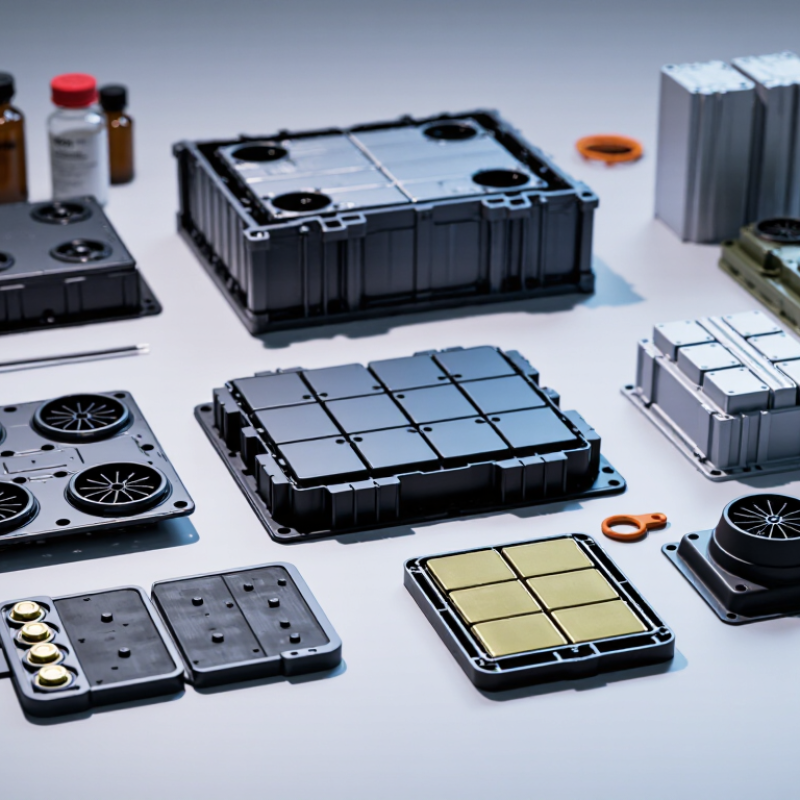
What Is an Automotive Vent Membrane and Why Is It Important?
How to Choose the Best Automotive Vent Membrane?
An automotive vent membrane is a microporous barrier that equalizes pressure inside a housing. It lets air move while blocking water, dust, and oil mist. This matters because sealed lamps, sensors, batteries, and control units experience pressure changes during hot drives and cold parking. Without pressure relief, seals can deform and moisture may condense on sensitive circuits.
The International Energy Agency reported over 14 million electric cars sold worldwide in 2023, representing about 18% of new car sales. More electric vehicles mean more battery and power-electronics housings exposed to thermal cycling.
A suitable membrane should offer high air permeability, strong water-entry resistance, and stable performance after vibration, salt spray, and temperature changes. Engineers should also check compatibility with the housing material and adhesive. Real-world sealing is messier than a laboratory test.
Tips: Compare the membrane’s airflow, water-entry pressure, oil resistance, and operating temperature. Request test evidence aligned with IEC 60529 and ISO 16750-4. Inspect the vent after thermal cycling, not only when it is new. A low-cost membrane can become expensive after one blocked vent or a poorly bonded edge. The “best” option is not always the most breathable; it must balance protection, pressure response, assembly quality, and service conditions.
Which Vehicle Conditions Should the Vent Membrane Withstand?
An automotive vent membrane must handle more than pressure changes. It may face hot engine-bay air, cold overnight parking, and repeated temperature swings. These cycles can stress the membrane and its seals. A design that works in a climate-controlled test may behave differently after months of real driving.
Moisture is another daily challenge. Road spray, condensation, and humid air can reach the vent, especially near wheel wells or exposed body panels. The membrane should allow air exchange while resisting liquid water and blocking dust or road grime. Check performance under vibration, too. A loose edge or damaged bond can create a leak, even when the membrane material itself remains intact. Small details matter.
Chemicals deserve attention. Fuel vapors, oils, cleaning fluids, and salt-laden water may contact nearby components, depending on placement. Confirm that the membrane and adhesive retain their properties after exposure to the fluids expected in service. Ask for test conditions, not just a general claim of durability. Real use is messy. Still, test results cannot predict every installation. Cable routing, panel shape, and assembly pressure can change the outcome, so inspect the complete vented part under realistic conditions.
How to Choose the Best Automotive Vent Membrane?
The vent membrane should withstand the temperature range associated with its vehicle location while maintaining pressure equalization, water resistance, dust protection, and chemical stability.
The chart shows representative automotive screening envelopes commonly used for membrane selection. Under-hood and high-heat locations can experience temperatures up to approximately 150°C, while cold-start conditions may reach −40°C. The final membrane specification should also be verified against water immersion, high-pressure spray, dust, oil, fuel vapor, cleaning chemicals, vibration, and pressure-cycling requirements defined for the specific vehicle installation.
How to Match Vent Membrane Features to Specific Automotive Components?
How to Choose the Best Automotive Vent Membrane?
Match the membrane to the component’s actual exposure, not just its housing size. A headlamp needs pressure equalization as air heats and cools, while resisting splash and road spray. An electric-drive enclosure may face oil mist, heat, and vibration. A cabin sensor needs a different balance: airflow for accurate readings, plus protection from dust and moisture. Small details matter. Check the vent’s airflow, water-entry resistance, temperature range, and chemical compatibility against the component’s operating conditions. Hydrophobic ePTFE can repel liquid water while allowing air and vapor through, but oil exposure may require an oleophobic treatment. Do not assume one membrane fits every enclosure.
Production scale makes consistency important. The International Organization of Motor Vehicle Manufacturers reported 93.5 million vehicles produced worldwide in 2023, in its 2023 production statistics. That volume underlines why vent performance and assembly repeatability deserve attention. Specify membrane performance alongside installation details, including vent location, available surface area, and adhesive compatibility. Test finished components through thermal cycling, water exposure, and pressure changes; a membrane’s datasheet alone cannot predict every assembly result. In practice, a vent placed behind a grille may see less direct spray than one near a wheel arch. Yet placement can change during design revisions. That is easy to overlook. Check the real mounting position before approving the vent.
How to Verify Quality, Compatibility, and Long-Term Reliability?
How to Choose the Best Automotive Vent Membrane?
Quality verification starts with the complete vented assembly, not the membrane alone. In my testing experience, a membrane can pass airflow checks yet fail after chemical exposure or repeated pressure changes. Ask for measured airflow, water-entry pressure, burst strength, and membrane adhesion data. Test the assembly.
Use ISO 16750-4 for temperature and humidity stress, then apply ISO 20653 or IEC 60529 methods for dust and water protection. These standards help create repeatable evidence, but they do not replace vehicle-specific testing. Check compatibility with housing materials, oils, cleaning fluids, battery gases, and sealants. A small adhesive reaction can block pores or create leakage paths. Do not guess.
Long-term reliability depends on real exposure. The International Energy Agency reported nearly 14 million electric cars sold worldwide in 2023, representing more than 18% of new-car sales. More electrified vehicles mean greater demands on sealed electronic housings and battery-related components. Review accelerated-aging results, thermal-cycle records, vibration data, and production inspection controls. Require samples from normal production, not only laboratory prototypes.
A perfect lab result can still mislead. Ask whether testing used the final vent geometry, production adhesive, and realistic pressure pulses. Review failure photos, not only pass certificates. For each candidate, compare permeability retention after aging and confirm traceable lot records. Independent laboratory verification adds confidence, especially when test conditions seem unusually convenient. Reliability is proven through repeated evidence, careful documentation, and uncomfortable questions.