How to Choose the Right Automotive Wire for Your Vehicle?
Choosing the right automotive wire is crucial for vehicle performance and safety. According to Dr. Emily Roth, an expert in automotive wiring, “Selecting quality automotive wire can prevent electrical failures.” This highlights the importance of making informed decisions.
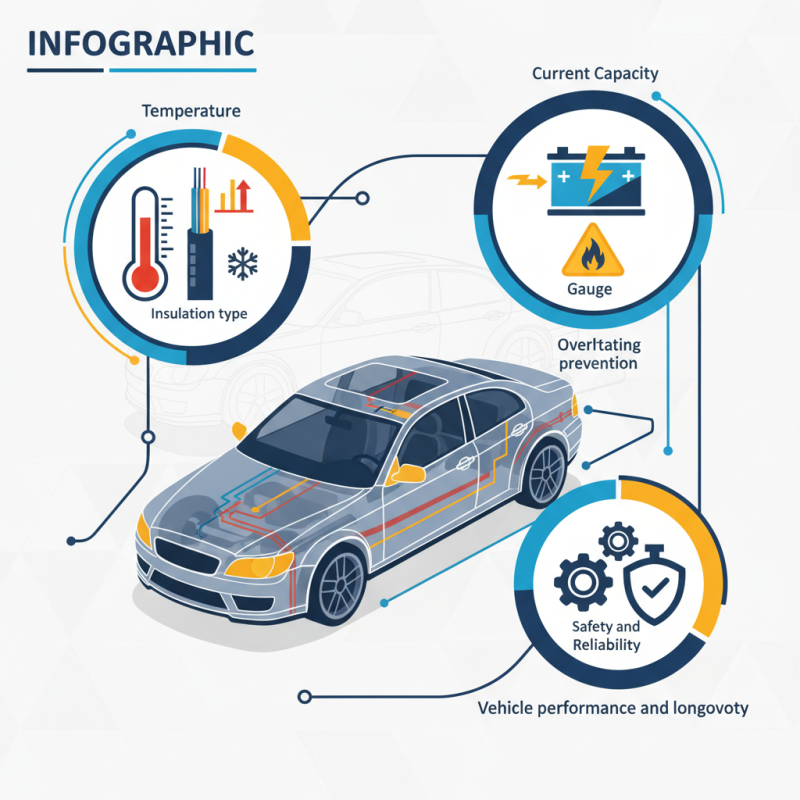
Automotive wire comes in various types and sizes. Each vehicle may have specific needs. Factors like temperature, insulation type, and current capacity are vital. For instance, using the wrong gauge can lead to overheating. Imagine starting your car only to face electrical failures due to subpar wiring.
Reflection is essential when considering automotive wire. Many enthusiasts overlook the wire quality, focusing instead on flashy components. It's important to remember that even the best engine needs quality wiring to function efficiently. A well-chosen wire can enhance your vehicle's longevity and reliability.
Understanding the Basics of Automotive Wiring
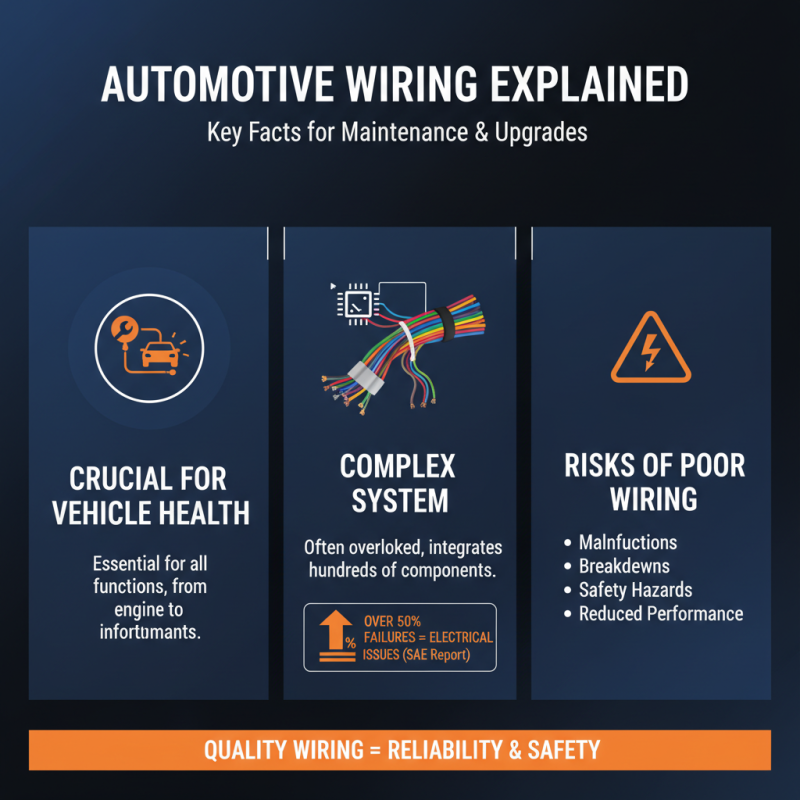
Understanding automotive wiring is crucial for vehicle maintenance and upgrades. The automotive wiring system is complex and often overlooked. According to a report from the Society of Automotive Engineers, more than 50% of automotive failures relate to electrical issues. Poor wiring quality can lead to malfunctions.
Automotive wires include primary, secondary, and ground wires. Each wire type serves a specific purpose. For example, primary wires carry current to critical components. Inadequate insulation may cause shorts, leading to costly repairs. A study indicates that 30% of wiring problems arise from improper installation. Thus, understanding wire specifications is essential for avoiding issues.
Many DIY enthusiasts face challenges when working with automotive wiring. Confusion about gauge sizes is common. Thicker wires carry more current but are harder to work with. A gauge that is too thin can overheat. Reports show that 20% of accidents are linked to wiring failures. As vehicles become more technologically advanced, knowledge about wiring becomes vital. Mistakes can lead to safety hazards.
Identifying the Correct Wire Gauge for Your Vehicle Needs
Choosing the right wire gauge for your vehicle is essential. The wire gauge determines the amount of current that can safely flow through it. Using the wrong gauge can lead to overheating or even fires. It’s critical to match the gauge to your vehicle's electrical needs.
For most automotive applications, a lower gauge number means a thicker wire. For example, a 10-gauge wire can carry more current than a 16-gauge wire. A common mistake is choosing a wire too thin for high-powered components. This can create resistance and excessive heat. It's vital to consider the specific electrical demands of your vehicle’s systems.
Some may think all wires are the same, but they are not. Each component requires different gauges based on its current draw. Lights may need thinner wires, while engines typically require thicker ones. Reflecting on these choices is key. Why choose convenience over safety?
Taking the time to select the correct gauge is worth it. Making an informed choice improves the overall safety and reliability of your vehicle.
Evaluating Wire Insulation Types for Durability and Safety
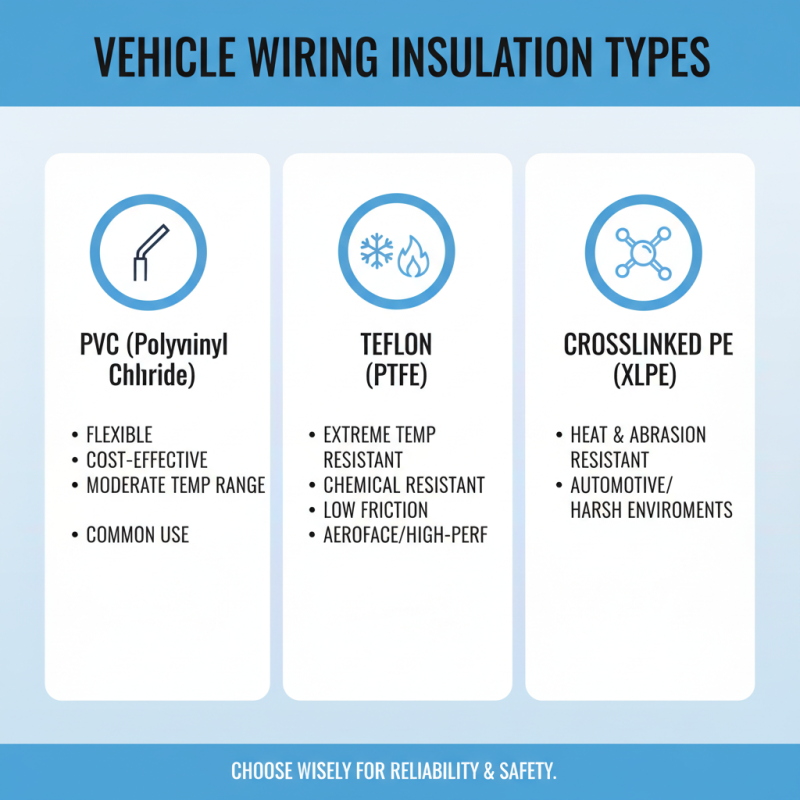
Choosing the right wire insulation type for vehicles is critical. There are several materials commonly used, including PVC, Teflon, and cross-linked polyethylene. Each has unique properties. For instance, PVC is popular due to its flexibility and cost-effectiveness. It's effective in moderate temperature ranges but may not endure extreme conditions.
On the other hand, Teflon offers superior chemical resistance and can handle high temperatures. This makes it ideal for high-performance applications. Research shows that vehicles using Teflon-insulated wire exhibit a 25% increase in lifespan under severe conditions. Yet, its higher cost can deter some users.
Cross-linked polyethylene provides excellent durability and resistance to moisture. It's often chosen for automotive applications exposed to harsh environments. However, installation can be tricky. Mismanagement during installation could negate its benefits. In some studies, improper insulation contributes to 15% of electrical failures in vehicles, indicating the need for careful consideration and training during installation.
Selecting the Right Wire for Different Automotive Applications
When selecting automotive wire, there are various applications to consider. Different parts of a vehicle have unique requirements. For instance, wires used for lighting must handle high voltage and temperature variations. Meanwhile, wires in the entertainment system often focus on signal integrity. It's essential to choose based on these specific needs.
The gauge of wire plays a crucial role in performance. A thicker wire can carry more current, but it may be too rigid for tight spaces. Conversely, thin wires are flexible but risk overheating. This balance is often overlooked, leading to potential failures later on. One must also consider insulation types. Not all insulation withstands heat or chemicals equally.
In some cases, installers may use mismatched wire types. This practice can lead to electrical shorts or failures. Ignoring these details can cost time and money. Each application requires thoughtful consideration to ensure safety and reliability. Thus, be vigilant in your choices; the right wire can make a significant difference in overall performance.
Ensuring Compatibility with Electrical Components and Systems
When selecting automotive wire, ensuring compatibility with your vehicle's electrical systems is crucial. Different vehicles require specific wiring types based on their electrical load requirements and component functionality. According to industry reports, over 70% of electrical failures in vehicles stem from improper wiring selection. This statistic highlights the importance of understanding your vehicle's systems before making a choice.
Consider the gauge and insulation material of the wire. For example, thin wires may not handle high currents effectively, leading to overheating or short circuits. Many technicians recommend using thicker wires for components with higher demands, such as audio systems or lighting upgrades. Insulation type also matters; PVC is common, but more advanced options like cross-linked polyethylene provide better thermal and chemical resistance.
Improperly matched wires can affect performance. Many DIY enthusiasts overlook this during installations. They might think any wire will suffice, but this leads to issues like voltage drops. A voltage drop of just 10% can reduce efficiency and lifespan of components. It's vital to read specifications closely and consult wiring diagrams for your vehicle model. A little research can save time and prevent costly repairs down the line.
Automotive Wire Gauge Compatibility with Electrical Components