How to Choose the Right Wire Cable for Your Project?
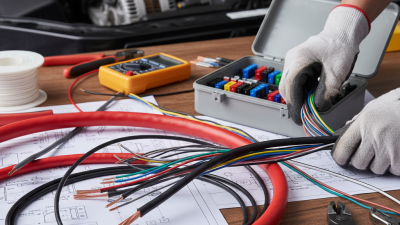
Choosing the right wire cable can significantly impact your project. Different types of projects require specific cables. The selection process may seem straightforward, yet it involves critical considerations.
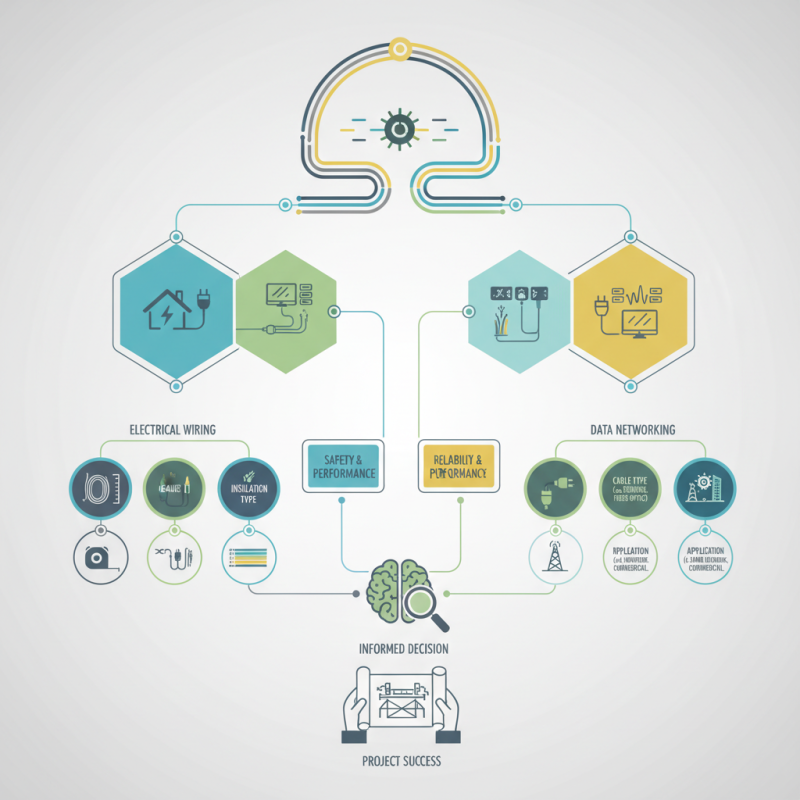
Wire cables vary in purpose and design. Understanding these differences is crucial. For instance, electrical wire cables transmit power, while data cables handle communication. One must assess the project needs first. Are you wiring a home? Or are you setting up a network? Often, people overlook important factors.
The gauge, insulation type, and length are vital. Each choice can affect performance and safety. Quality matters, too. Using subpar materials may lead to issues down the line. Think ahead and make informed decisions to avoid regrets. Choosing the right wire cable is not merely a task, but a careful process of evaluation and foresight.
Understanding the Types of Wire Cables Available in the Market
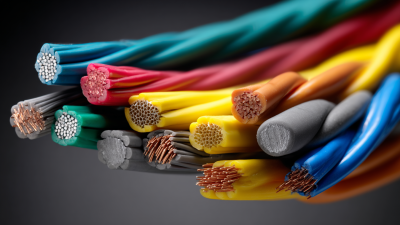
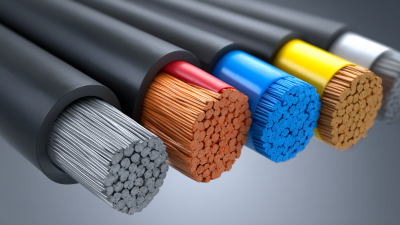
When choosing the right wire cable, understanding the types available is crucial. Wire cables come in various categories, each suited for specific applications. Copper and aluminum are the most common materials. Copper is known for its excellent conductivity, making it ideal for electric systems. Aluminum is lighter and often used in overhead power lines.
Another type is the coaxial cable. This type is essential for coaxial networks and provides great shielding against interference. Fiber optic cables are becoming increasingly popular, especially for high-speed internet. They transmit data using light, offering fast and reliable connections. Each type has unique properties that cater to different needs.
**Tips:** Choose a cable based on your project's specific requirements. Consider the environment it will operate in. For outdoor use, cables need better insulation. Always check the gauge size. A wrong choice can lead to performance issues. Don't rush the selection process. Pay attention to details and ask for advice if needed.
How to Choose the Right Wire Cable for Your Project?
| Type of Wire Cable |
Usage |
Material |
Gauge |
Insulation Type |
| Copper Wire |
Residential and commercial wiring |
Copper |
12 AWG |
PVC |
| Aluminum Wire |
High voltage applications |
Aluminum |
6 AWG |
XLPE |
| Thin Wall Wire |
Automotive and electronics |
Copper |
16 AWG |
PVC |
| Multi-Strand Wire |
Flexible applications |
Copper |
14 AWG |
Silicone |
| Coaxial Cable |
Radio and television |
Copper and Aluminum |
Various |
PE or PVC |
Assessing the Electrical Requirements for Your Project
When starting any electrical project, understanding the electrical requirements is crucial. This includes assessing the voltage, current, and overall power needs. According to the National Electrical Code (NEC), proper assessment can prevent overloads and enhance safety. A common mistake is underestimating the load. For instance, a circuit intended for lighting should not be used for heavy appliances.
Tips: Always calculate the total wattage. This will help to identify the right wire gauge. For instance, if your project needs 240 watts, a 14-gauge wire is suitable for up to 15 amps.
Wire insulation is another consideration. It impacts the cable’s ability to manage heat. Data from the American Wire Gauge indicates that different materials have various heat tolerances. If a wire heats up too much during usage, it can lead to failures.
Tips: Pay attention to the environment where the wire will be used. Indoor and outdoor applications may require different insulation ratings. Consider factors such as moisture and temperature.
Evaluating Environmental Conditions and Durability Needs
When selecting the right wire cable for your project, the environmental conditions are crucial. Consider temperature variations, humidity, or exposure to chemicals. Each factor can significantly impact your wire cable's performance and durability.
Tips: Always check the operating temperature range of your cable. If it’s too low or high, it might fail.
Durability needs also play a key role. In outdoor settings, cables must withstand UV rays, moisture, and temperature extremes. Indoor cables might not need the same level of protection. Still, if your project involves frequent movement or bending, choose cables designed for flexibility.
Tips: Look for cables with abrasion resistance. This feature can save you from future headaches.
Choosing wires without considering these factors can lead to failure. Always assess the surroundings and conditions. Reflect on the specific environments your cable will face to make an informed choice.
Choosing the Correct Wire Gauge and Material for Your Application
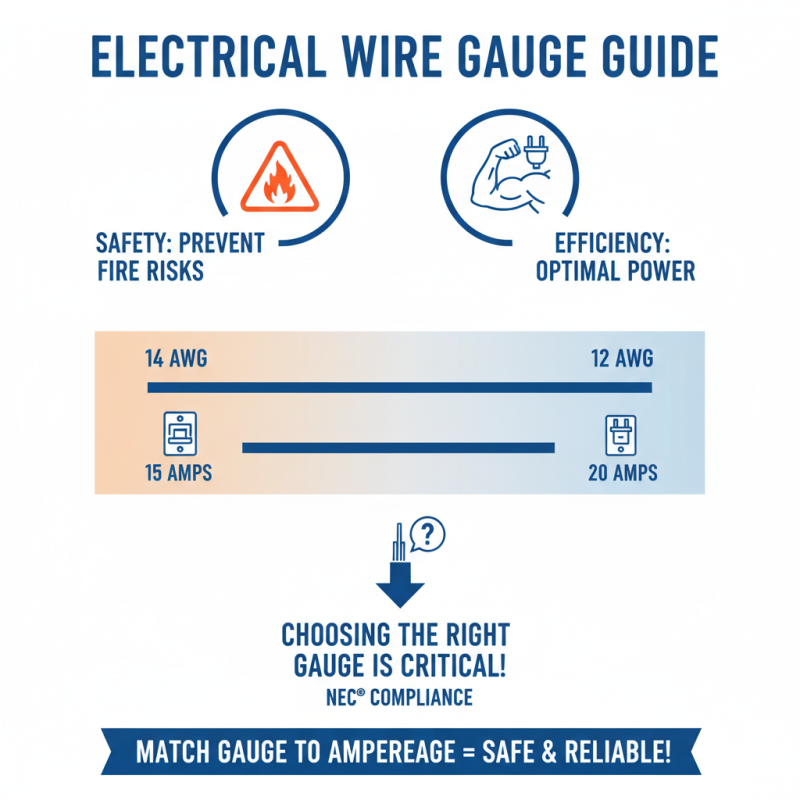
Choosing the right wire gauge and material is critical for any electrical project. Wire gauge impacts the current capacity. According to the National Electrical Code, using the wrong gauge can lead to overheating and increased fire risks. For example, a 14 AWG wire is suitable for 15 amps, while a 12 AWG wire can handle up to 20 amps. This means selecting the correct gauge ensures safety and efficiency.
Material choice also matters. Copper and aluminum are the most common materials. Copper has a lower resistance and better conductivity. However, it is more expensive than aluminum. Reports indicate that copper wire can carry nearly 50% more current than aluminum of the same gauge. Some projects may budget for aluminum but may compromise on performance. This raises questions about project requirements versus cost.
Many overlook environmental factors too. For outdoor projects, a wire rated for moisture and UV resistance is necessary. Failing to consider the installation environment can lead to regrets down the line. Ignoring these details could cause operational failures or unexpected expenses. Often, thorough research and planning seem tedious, but they ultimately lead to better project outcomes.
Comparing Cost and Availability of Different Wire Cable Options
When selecting the right wire cable for your project, cost and availability are crucial. Different types of wire cables come with varying price points. Copper cables are generally more expensive than aluminum ones. While copper offers better conductivity, it might strain your budget. Budget constraints can dictate your choices, pushing you towards less pricey alternatives.
Availability is another key factor. Some wire types may not be readily available in your area. This can lead to delays in your project. If you need a specific size or type, researching local suppliers is helpful. Sometimes, popular types like speaker wire or electrical wiring are easily found. But specialty cables may require extra time for procurement.
Reflecting on your project's needs is essential. If budget limits are tight, consider a mix of affordable and quality options. Balancing cost with performance can be tricky. Monitor what you need most and adjust your choices accordingly. Choosing the right wire cable isn't just about price; it's about making savvy decisions that align with your project goals.