

What Is an Emergency Auto Booster and How Does It Work?

What Is an Emergency Auto Booster and How Does It Work?

A dead car battery can turn a normal morning into a stressful roadside delay. An Emergency Auto Booster offers a portable way to restart a vehicle when the battery cannot provide enough power. It usually combines a rechargeable lithium battery, heavy-duty cables, clamps, and safety controls. Inside the unit, stored electrical energy moves through the cables to the vehicle’s starting system. The starter motor then receives a temporary burst of current and turns the engine.

The device does not recharge a weak battery like a wall charger. It supplies starting power for a short period. After the engine runs, the alternator may restore some battery charge. Results depend on battery condition, engine size, temperature, and booster capacity. A compact model may suit a small petrol car, while a larger engine may require stronger output. Check the manufacturer’s specifications carefully.

Safety deserves attention. Park securely, switch off electrical accessories, and inspect the cables for damage. Connect the clamps exactly as the instructions describe. Many modern boosters include reverse-polarity, short-circuit, and over-temperature protection, but these features cannot replace careful handling. Keep the clamps apart while the booster is active. Never treat one successful start as proof that the battery is healthy.

Small details matter.

This guide explains how an Emergency Auto Booster works, how to use one responsibly, and where its limits become important. Real roadside conditions are rarely perfect. A cold battery, poor cable contact, or an incorrectly rated unit can change the outcome. Reflecting on these limits helps drivers choose equipment more wisely and avoid unnecessary confidence.
What Is an Emergency Auto Booster and How Does It Work?

Definition and Purpose of an Emergency Auto Booster

What Is an Emergency Auto Booster and How Does It Work?

An emergency auto booster is a portable device that supplies temporary electrical power to a vehicle with a weak or discharged battery. Its main purpose is to help start the engine when the starter motor cannot receive enough current. It is not a charger. That difference matters. A charger slowly restores battery energy, while a booster delivers a strong electrical surge for a short time.

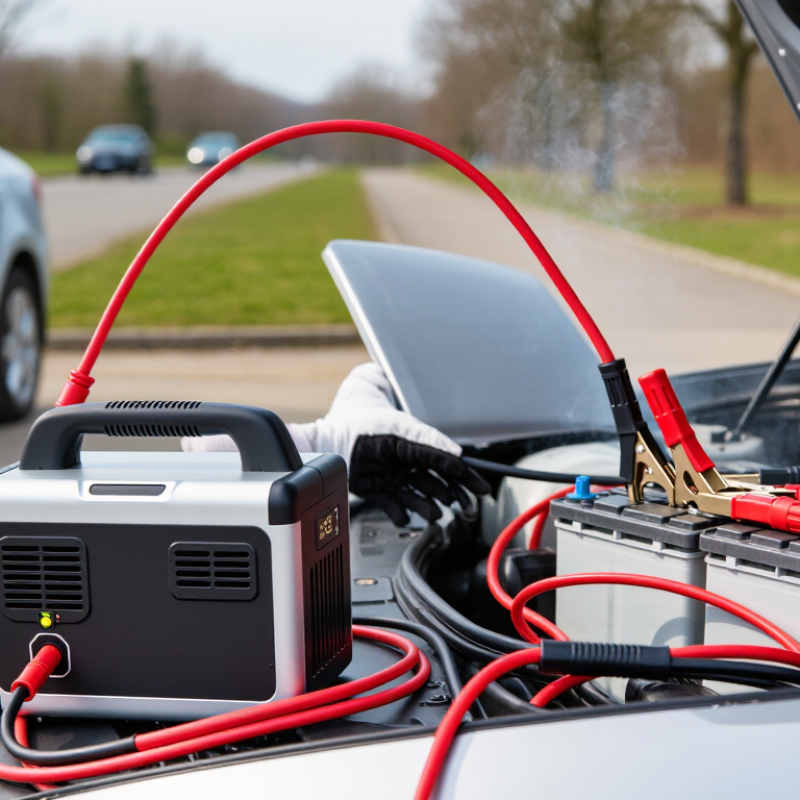
Most boosters contain a rechargeable battery, heavy-duty cables, clamps, and safety controls. The positive clamp connects to the battery’s positive terminal. The negative clamp usually connects to a suitable ground point, depending on the vehicle manual. When the driver starts the engine, power travels through the cables to the starter system. The engine may turn over within a few seconds. Portable units are useful in parking lots, rural roads, and cold mornings when outside help is unavailable.

Safe use requires careful judgment. Check for cracked cases, leaking batteries, loose terminals, or damaged cables before connecting anything. A booster cannot fix a failed alternator, a broken starter, or a severely damaged battery. In practice, people sometimes retry the start too many times, which can overheat cables and drain the booster. That is an easy mistake. Wait between attempts, follow the instructions, and stop if you notice smoke, heat, sparks, or unusual odors. A successful start is helpful, but the underlying battery problem may still need professional testing.

Main Components and Power Sources

An emergency auto booster is a portable battery pack for starting a vehicle with a weak 12-volt battery. Its core parts include a rechargeable cell pack, heavy-gauge cables, clamps, and a control circuit. A battery-management system monitors temperature, current, and voltage. It can also prevent reverse polarity and short circuits. Many units include LED lights, USB ports, and a digital charge display. These features are useful beside a dark roadside, but they can also distract from cable safety.

Lithium-ion cells power most compact boosters because they store substantial energy in a small case. Lead-acid packs remain heavier but tolerate repeated high-current demands well. Some supercapacitor designs draw energy from the vehicle’s remaining battery instead of storing much energy internally. The U.S. Department of Energy reports that low temperatures reduce lithium-ion battery performance, so a cold booster may deliver less power than its label suggests. AAA recorded more than 32 million roadside assistance calls in 2023. Battery problems remain a common reason for those calls. Peak-amperage ratings are not perfectly comparable. This is where buyers should think twice.

Tips: Charge the booster every few months. Keep it between 10°C and 25°C when possible. Inspect cracked cases, swollen cells, or damaged cables. Connect positive first, then negative, following the vehicle manual. Wait briefly after connection. A small engine may start quickly; a cold diesel engine may not. Never use a wet or overheated pack. Check safety testing, such as UL 2743, rather than trusting impressive numbers alone.

An emergency auto booster combines a rechargeable power source, protection circuitry, heavy-duty cables, clamps, and a control system. Most portable units use lithium-ion battery packs because they are compact, while lead-acid units are heavier but can provide strong starting current. The values shown are representative specifications for common 12-volt automotive booster systems; actual performance varies by design, battery condition, temperature, and engine size.

How an Emergency Auto Booster Works

An emergency auto booster is a portable device that helps start a vehicle with a weak or dead battery. It stores electrical energy inside an internal battery pack. When connected correctly, it sends a strong current to the vehicle’s starter system. This current turns the engine, allowing the alternator to begin charging the vehicle battery again.

The booster usually has two cables: red for positive and black for negative. The red clamp connects to the battery’s positive terminal. The black clamp connects to the negative terminal or a clean metal grounding point. Once the connections are secure, the driver activates the booster and starts the engine. The process often takes only a few seconds.

However, a booster cannot repair a damaged battery or a faulty starter motor. I have found that rushing the connection is the most common mistake. Even a simple check can prevent sparks, reversed polarity, or equipment damage.

Tips:

  • Turn off the vehicle’s lights, radio, and air conditioning before connecting the booster.
  • Keep the clamps separated while the device is switched on.
  • If the engine does not start after two attempts, pause and inspect the cables.
  • A cold battery may need more time.
  • Read the device instructions carefully, because power levels and operating steps can differ.
  • Store the booster in a dry place, and recharge it regularly.
  • An emergency device is easy to forget until it is needed.

Step-by-Step Guide to Using One Safely

An emergency auto booster is a portable battery that helps start a vehicle with a weak battery. It sends a short, strong electrical charge through the vehicle’s starting system. Unlike traditional jumper cables, it does not require another running car. Understanding polarity matters.

Using one safely requires patience. Park the vehicle, engage the parking brake, and switch off lights, radios, and accessories. Inspect the booster and battery for cracks, leaks, or swelling. Do not continue if either looks damaged. Read the booster’s instructions, because connection methods can differ slightly. Attach the red clamp to the positive battery terminal. Attach the black clamp to the negative terminal or an approved unpainted metal ground point. Keep both clamps apart. Turn on the booster only after making the connections. Wait briefly, then start the engine for no longer than a few seconds. If the engine does not start, pause and check the connections. Repeated attempts may overheat the booster or starter. Once the engine runs, switch off the booster before removing the clamps. Disconnect the black clamp first, then the red clamp.

Tips: Work in a well-ventilated area and keep sparks away from the battery. Never force a clamp onto the wrong terminal. A small flashlight helps at night. I have found that rushing causes most connection mistakes. Still, some vehicle batteries are hidden or heavily corroded, so professional assistance may be the safer choice. Recharge the booster after use, even if it still shows power.

What Is an Emergency Auto Booster and How Does It Work? — Step-by-Step Guide to Using One Safely
Step Category Data or Procedure Safety Information
1 Definition An emergency auto booster, commonly called a portable jump starter or booster pack, is a rechargeable battery device that supplies temporary electrical power to a vehicle's starting system. It is intended for a discharged 12-volt vehicle battery. It does not repair a defective battery, alternator, starter motor, or charging system.
2 How It Works The booster stores electrical energy internally and delivers high current through heavy-duty cables to help the starter motor turn the engine over. Use a booster rated for the vehicle's engine type and size. Always follow the operating instructions supplied with the specific device.
3 Vehicle Compatibility Most conventional cars, SUVs, vans, and light trucks use a 12-volt starting system. Some larger engines require a higher-capacity booster. Do not use a standard 12-volt booster on high-voltage electric-vehicle or hybrid propulsion systems. Consult the vehicle manual for approved procedures.
4 Before Connecting Park safely, switch off the ignition and all accessories, engage the parking brake, place the transmission in Park or Neutral, and inspect the battery and cables. Do not proceed if the battery is cracked, leaking, frozen, swollen, or visibly damaged. Keep sparks, flames, and cigarettes away from the battery.
5 Positive Connection With the booster switched off, connect the red positive clamp to the vehicle battery's positive (+) terminal. Confirm the polarity symbols before attaching the clamp. Never allow the red clamp to touch the black clamp or a metal ground at the same time.
6 Negative Connection Connect the black negative clamp to an unpainted, solid metal engine or chassis ground away from the battery, unless the vehicle or booster instructions specify another connection point. Keep both clamps secure and clear of moving belts, fans, pulleys, and hot engine components. Incorrect connections can cause sparks, damage, or injury.
7 Activate the Booster Turn on the booster or activate its jump-start function only after both clamps are correctly attached. Some models use automatic polarity protection. Polarity protection is not a substitute for checking the connections. If the device gives a warning or shows an error, switch it off and correct the setup.
8 Start the Engine Attempt to start the engine for no more than about 3 to 5 seconds. If it does not start, wait several minutes before trying again. Repeated long cranking can overheat the starter motor, cables, or booster. Stop if you smell burning, see smoke, or notice unusual heat.
9 After Starting Once the engine is running steadily, switch off the booster if required by its instructions and remove the clamps in reverse order: black clamp first, then red clamp. Do not let either clamp contact a moving engine component. Keep the engine running only as recommended by the vehicle manufacturer.
10 Recharge and Storage Recharge the booster after use and check its charge periodically. Store it in a dry, ventilated place within the temperature range stated by the manufacturer. Lithium-powered units should not be stored in extreme heat, direct sunlight, or a vehicle exposed to high temperatures. Replace damaged cables or a swollen unit.
11 Common Warning Signs Clicking without cranking, dim lights, slow engine turnover, or a dashboard battery warning may indicate a weak battery or charging-system problem. If the vehicle repeatedly needs a boost, have the battery, alternator, starter, and electrical connections professionally tested.
12 Essential Equipment Useful items include a charged booster pack, insulated gloves, eye protection, a flashlight, and the vehicle and booster instruction manuals. Protective equipment reduces exposure to battery acid, sparks, and accidental contact. Follow local disposal rules for damaged or worn-out batteries.

Important: Connection layouts and operating indicators vary by vehicle and booster design. When the vehicle owner's manual and the booster manual differ from this general guide, follow the manuals and seek qualified roadside assistance.

Key Features, Limitations, and Maintenance Needs

What Is an Emergency Auto Booster and How Does It Work?

An emergency auto booster is a portable battery pack for starting a vehicle with a weak battery. Its cables transfer a short, high-current surge to the starter motor. In practical use, the pack stays in the trunk until cold mornings or an interior light causes trouble. ADAC’s 2024 breakdown statistics found starter batteries involved in 44.1% of reported failures. That figure explains the device’s value, but it does not guarantee a successful start.

Key Features, Limitations, and Maintenance Needs

Useful features include reverse-polarity protection, overload control, an LED work light, and clear charge indicators. Some units also provide USB charging and tire-pressure accessories. However, a booster cannot repair a damaged battery or alternator. Extremely low temperatures reduce battery performance, while large diesel engines may require higher starting current. Incorrect cable placement can still create sparks or electronic damage. Read the vehicle manual carefully. Small details matter.

Maintenance is simple, but often neglected. Recharge the unit every three to six months, even when unused. Store it away from heat, moisture, and direct sunlight. Check the clamps for corrosion and inspect cables for cuts. Lithium packs should not remain fully discharged. Mine would probably survive longer if I checked it regularly. The SAE’s automotive electrical guidance also supports careful polarity checks and controlled connections during jump-starting. A booster is helpful emergency equipment, not a substitute for battery testing or routine vehicle servicing.