Why Are Electrical Connectors Essential for Your Projects?
Electrical Connectors are vital components in various projects across industries. According to a report by MarketsandMarkets, the electrical connector market is projected to reach $91.4 billion by 2024, driven by advancements in automotive technology and renewable energy sectors. This statistic highlights the growing significance of electrical connectors in modern applications.
Dr. Emily Sanders, an expert in electrical engineering, emphasizes their importance, stating, "Electrical connectors ensure efficient and reliable power transfer, essential for innovation in technology." This statement reflects a common industry sentiment about the role of electrical connectors in ensuring robust performance and safety in electrical systems.
As projects become more complex, the need for high-quality electrical connectors becomes even more apparent. However, challenges such as the increasing demand for miniaturization and environmental considerations pose obstacles. Maintaining reliability while meeting these demands requires careful selection and design, making expertise in electrical connectors more crucial than ever.
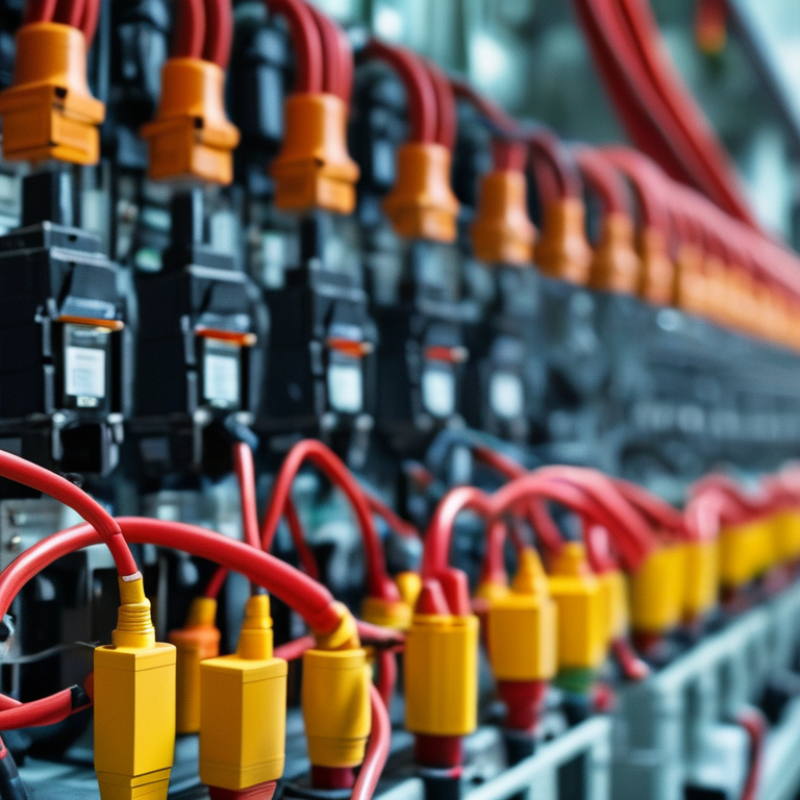
Understanding Electrical Connectors: Definition and Types
Electrical connectors play a crucial role in various projects. They facilitate the connection and disconnection of electrical circuits. Understanding different types is key for effective use.
There are numerous types of electrical connectors. For instance, terminal blocks are essential for simple wiring. They ensure secure connections and are easy to use. Another type is the USB connector, common in everyday devices. It's versatile and allows data transfer. Additionally, there are water-resistant connectors for outdoor projects. They offer protection against the elements, ensuring reliable performance.
Tips: Always choose connectors based on your project's requirements. Verify compatibility before purchasing. Test connections regularly to ensure safety and functionality. Remember, even the best connectors can fail, so keep a backup on hand. Consider the environment in which your connectors will be used. This can affect longevity and performance.
Why Are Electrical Connectors Essential for Your Projects?
| Connector Type | Description | Common Applications | Advantages |
| Terminal Blocks | Devices that allow for the secure connection of multiple wires. | Control panels, power distribution. | Flexible, easy to use and replace. |
| Plug and Socket Connectors | Connections that can be easily plugged in and out. | Home appliances, computers. | Convenient and user-friendly. |
| Ribbon Cable Connectors | Flat cables that connect multiple circuits in parallel. | Computers, robotic systems. | Space-efficient and organized. |
| USB Connectors | Universal Serial Bus connections for data and power transfer. | Mobile devices, external drives. | Widely used and versatile. |
| BNC Connectors | Coaxial connectors typically used for RF applications. | Video equipment, test instruments. | Reliable and secure in transmission. |
The Role of Electrical Connectors in Project Success
Electrical connectors play a critical role in project success across various industries. These components ensure reliable and efficient connections between electrical devices. According to a recent industry report, approximately 70% of electrical failures in machinery are due to poor connections. By using high-quality connectors, engineers can significantly reduce these failure rates.
The selection of appropriate connectors can impact project timelines. A study found that 60% of project delays stem from connection issues. When connectors fail, teams must troubleshoot and replace them, wasting time and resources. Therefore, investing in reliable connectors enhances project efficiency and minimizes risks.
Moreover, the performance of electrical systems greatly depends on the quality of connectors. Substandard connectors often lead to overheating and malfunctions. A survey revealed that 50% of professionals reported experiencing electrical system failures linked to connector problems. These figures emphasize the necessity of proper selection and installation of connectors for optimal project success. Each decision in this area reflects on the overall quality and reliability of the project outcomes.
Key Benefits of Using Quality Electrical Connectors
Electrical connectors play a crucial role in any project involving electrical systems. High-quality connectors ensure stable and reliable connections, which are essential for safety. According to a report by the International Electrotechnical Commission, poor connections are among the leading causes of electrical failures, accounting for 30% of all incidents.
Using quality connectors improves overall system performance. They enhance conductivity, leading to reduced energy loss. A study from the Institute of Electrical and Electronics Engineers highlights that projects with inferior connectors can experience up to 15% higher resistance, causing overheating and potential fire hazards. These risks underscore the importance of investing in reliable components.
Durability is another significant factor. Quality connectors are designed to withstand harsh environments. They resist moisture, corrosion, and mechanical stress. Reports indicate that connectors lacking this resilience often fail prematurely, leading to project delays. Adopting robust connectors not only safeguards your investment but also ensures long-term functionality.
Factors to Consider When Choosing Electrical Connectors
When selecting electrical connectors, several key factors come into play. Connection type is paramount. Various applications require different types of connectors. For instance, handheld devices may need lightweight options, while industrial machinery demands robust connectors that can withstand harsh conditions.
Another critical aspect is the material used. Connectors made from high-quality metals ensure better conductivity and durability. Plastic components can offer insulation but may not always endure extreme environments. Pay attention to the environment where the connector will be used. Moisture, temperature, or exposure to chemicals can affect performance.
Furthermore, the size of the connector is important. Larger connectors might be easier to handle but could take up valuable space. Consider the layout of your project carefully. Ensuring proper fit and accessibility can prevent unforeseen issues down the line. Reflecting on these details can significantly improve project outcomes and efficiency.
Why Are Electrical Connectors Essential for Your Projects?
This chart illustrates the importance of various factors to consider when choosing electrical connectors for your projects. Durability and electrical conductivity rank highest, emphasizing their critical roles in ensuring reliability and performance.
Common Applications of Electrical Connectors in Various Industries
Electrical connectors play a vital role in countless industries. From automotive to healthcare, these devices ensure seamless power and data transfer. In the automotive sector, connectors link systems such as engines, infotainment, and safety devices. A reliable connection is crucial for vehicle performance and safety.
In the healthcare industry, connectors are essential for medical devices. They enable the operation of life-saving equipment like ventilators and monitoring systems. These connectors must meet strict reliability standards. A failure can have serious consequences.
Tips: Always double-check connections. It can save time and prevent costly errors. Use connectors designed for specific environments. This will enhance performance and safety.
In aerospace, connectors facilitate communication and control systems. They must withstand extreme conditions. Precision is critical to ensure safety during flight operations. It’s essential to evaluate connectors regularly. Aging connectors can compromise safety.
In renewable energy, connectors are used in solar panels and wind turbines. They help manage energy flow efficiently. Choosing the right connector type affects overall system efficiency. Frequent inspections are necessary for optimal performance.