What is High Pressure Electric Ball Valve Benefits and Applications?
High Pressure Electric Ball Valves have become critical components in various industries, including oil and gas, chemical processing, and water treatment. According to a report by MarketsandMarkets, the electric valve market is projected to reach $6.36 billion by 2025. This growth will be driven by the increasing demand for automation and precise control in industrial processes. These valves provide significant advantages over traditional valves, including enhanced reliability and reduced maintenance costs.
The importance of High Pressure Electric Ball Valves lies in their ability to operate efficiently under challenging conditions. They can withstand high pressures and temperatures, making them suitable for many applications. Their rapid response times significantly enhance operational efficiency. However, operators must consider the potential challenges, such as compatibility with various media and the need for regular calibration.
In summary, while High Pressure Electric Ball Valves offer numerous benefits, it is essential to critically evaluate their application in specific environments. Investing in high-quality valves can lead to improved system performance and longevity. Industry insights and case studies further confirm the need for thorough analysis before implementation.
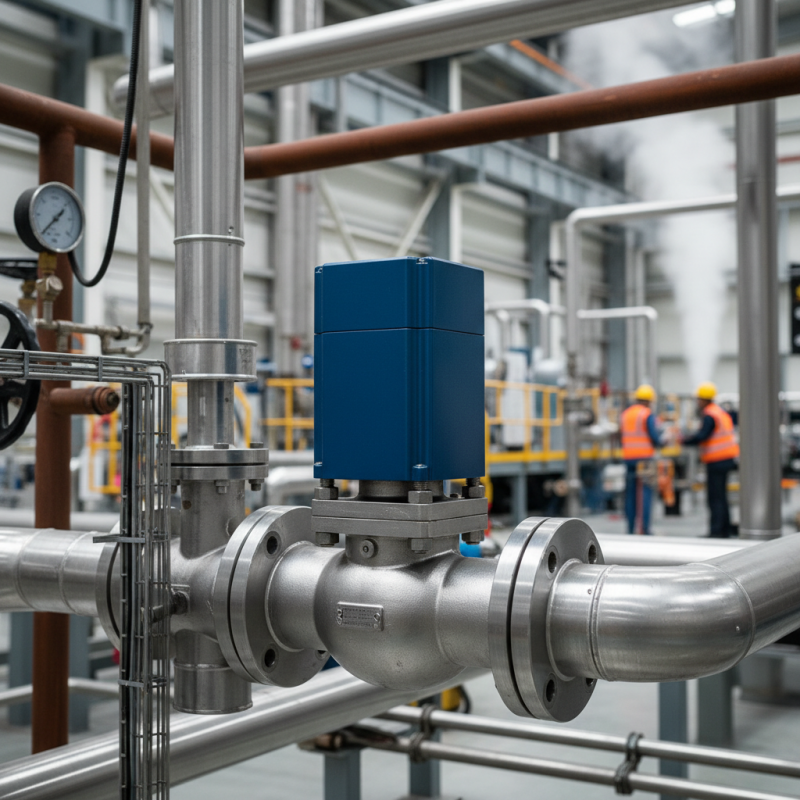
What is a High Pressure Electric Ball Valve?
High pressure electric ball valves are vital components in various industrial applications. These valves manage the flow of fluids and gases under high pressure, ensuring safety and efficiency. They utilize an electric actuator for precise control. This innovation allows for remote operation and facilitates automation in processes.
The design of high pressure electric ball valves typically includes a robust body and a spherical disc. This structure minimizes flow resistance and enhances performance. They are often made from durable materials, which withstand extreme conditions. In industries like oil and gas, these valves play a crucial role in pipeline operations.
While high pressure electric ball valves are reliable, they require regular maintenance to ensure optimal performance. Improper calibration can lead to inefficient operation. Future advancements may improve their efficiency and adaptability. As industries increasingly rely on automation, the role of these valves will likely expand, making them central to modern engineering solutions.
Key Features of High Pressure Electric Ball Valves
High pressure electric ball valves have unique features that make them stand out. They operate efficiently in demanding environments with high pressures. Their design ensures a tight seal, reducing leakage risks. These valves enable quick and precise control of fluid flow. This accuracy can enhance system performance significantly.
Key features include their robust construction. Made from durable materials, they withstand harsh conditions effectively. Integrated electric actuators provide reliable operation. This enhances the response time, crucial for industrial applications. The ability to adjust flow rates facilitates enhanced process control.
Tips: Regular maintenance is essential. Check for any signs of wear, as this can impact performance. Consider the installation environment; high temperatures or corrosive substances can affect valve longevity. Always consult experts for specific applications.
Benefits of Using High Pressure Electric Ball Valves
High pressure electric ball valves offer numerous advantages in various industrial applications. One key benefit is their precise control over fluid flow. These valves allow for accurate adjustments, ensuring optimal performance. This level of control is crucial in processes that require tight regulations, such as chemical processing or oil and gas industries.
Another significant advantage is their durability. Constructed from robust materials, high pressure electric ball valves can withstand harsh conditions. They operate effectively under extreme pressure and temperature, which prolongs their lifespan. Additionally, these valves require minimal maintenance efforts compared to traditional mechanical valves. However, there may be concerns about electronic components failing under certain conditions, requiring careful consideration during installation.
In terms of energy efficiency, these valves are a plus. They can reduce energy consumption by providing better flow regulation. This not only lowers operational costs but also has a positive impact on the environment. While they present numerous benefits, it's essential to assess the specific needs of your system. Each situation is unique, and adapting to present challenges is crucial. In some cases, the integration of these valves may require changes to existing systems. Reflecting on these aspects can help industries make informed decisions when considering high pressure electric ball valves.
Benefits of Using High Pressure Electric Ball Valves
The chart above illustrates the key benefits of using high pressure electric ball valves, highlighting advantages such as improved control, energy efficiency, durability, maintenance reduction, and safety enhancements. These valves are vital in various industrial applications where precise control and reliability are paramount.
Common Applications of High Pressure Electric Ball Valves
High pressure electric ball valves find extensive use in various industries due to their efficient control of fluid flow. They are commonly used in oil and gas operations, where they manage the high pressures associated with fluid extraction. In these environments, a reliable valve is crucial. Operators need to ensure that the valves can withstand extreme conditions, which makes the high pressure ratings essential.
Another significant application is in chemical processing. These valves help regulate the flow of corrosive substances. Proper material selection is vital here. Engineers often face challenges in finding reliable valves that can handle aggressive chemicals while maintaining safety standards. The precision of electric ball valves allows for accurate flow control, reducing the risk of leaks and enhancing operational safety.
Power plants are also key users of high pressure electric ball valves. They control steam and water flow, ensuring efficiency in energy production. However, the complexity of the systems in power plants can introduce failures if not monitored. Regular maintenance is required for optimal performance, highlighting the importance of commitment to preventive strategies. These valves contribute immensely to operational efficiency, but ongoing assessment is necessary to avoid unexpected downtimes.
What is High Pressure Electric Ball Valve Benefits and Applications? - Common Applications of High Pressure Electric Ball Valves
| Application Area | Benefit | Pressure Range (psi) | Temperature Range (°C) | Common Materials |
| Oil and Gas | Efficient flow control | 5000 psi | -40 to 120 | Stainless Steel, Carbon Steel |
| Water Treatment | Reliable leak tightness | 3000 psi | 0 to 60 | PVC, Brass |
| Chemical Processing | Corrosion resistance | 4000 psi | -20 to 150 | Teflon, Hastelloy |
| Mining | High durability | 6000 psi | -30 to 100 | Alloy Steel, Polypropylene |
Comparative Analysis with Other Valve Types
High pressure electric ball valves offer unique advantages compared to other valve types. Their design allows for quick and precise control of fluid flow in high-pressure applications. Unlike traditional manual valves, these electric models eliminate the need for human intervention, reducing error margins significantly. This automation leads to enhanced operational efficiency.
In contrast, traditional valves, such as gate or globe valves, rely heavily on mechanical actuation. They can suffer from wear and require frequent maintenance. High pressure electric ball valves minimize these issues through their durable structure and reduced mechanical parts. They are particularly effective in processes where consistent pressure and flow rates are crucial, like chemical manufacturing.
Tips: When selecting a valve, consider your specific application needs. Think about maintenance requirements and long-term cost implications. Evaluating the valving system's overall performance can lead to better decision-making. Additionally, remember that not all applications are suited for high pressure electric solutions. Sometimes, conventional valves might perform adequately. Assess your system's particular demands before making a choice.