2026 How to Choose the Best Solar Panel Connectors for Your Needs?
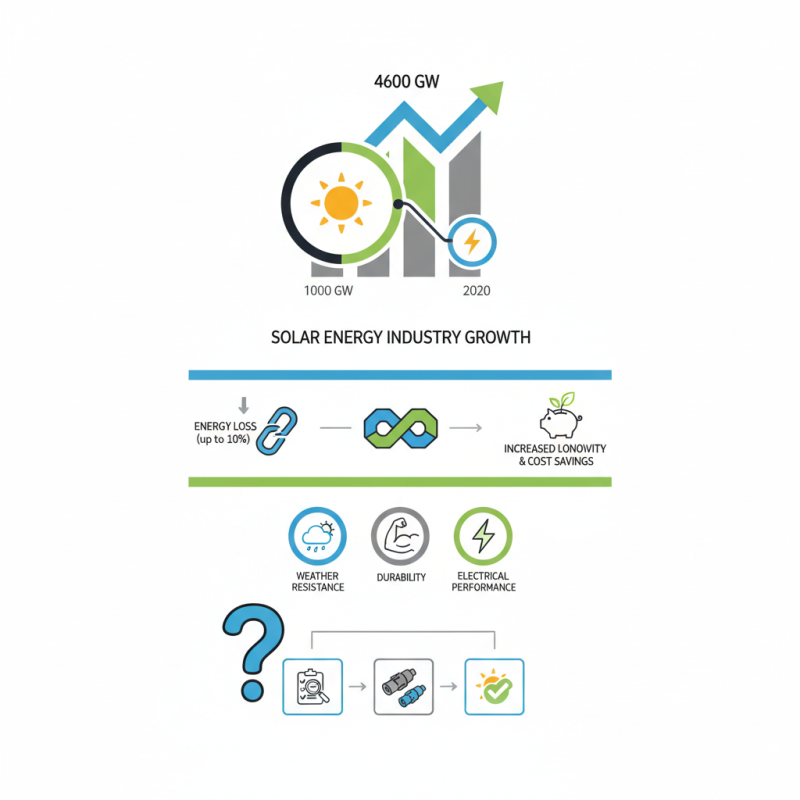
As the solar energy industry continues to grow, choosing the right Solar Panel Connectors becomes essential for optimal performance. A report by the International Energy Agency (IEA) indicates that solar energy could reach a capacity of 4,600 GW by 2030, up from 1,000 GW in 2020. This rapid expansion highlights the increasing importance of high-quality connectors in solar installations.
Solar Panel Connectors play a crucial role in the efficiency and longevity of solar systems. Poor-quality connectors can lead to energy loss and increased maintenance costs. The National Renewable Energy Laboratory (NREL) indicates that up to 10% of energy losses can be attributed to poor connections. These figures emphasize the need to invest time in selecting the appropriate connectors for specific solar applications.
However, many users may overlook the significance of quality in connectors. It's not just about installation; factors such as durability, weather resistance, and electrical performance must be considered. Ignoring these can lead to unexpected issues down the line. Understanding these nuances can prevent costly mistakes and enhance the overall efficiency of solar energy systems.
Understanding Solar Panel Connectors: Types and Functions
Solar panel connectors play a vital role in the efficiency and safety of solar energy systems. They bridge the solar panels and the inverter, ensuring seamless power transmission. The most common types include MC4 connectors, which are designed for high performance and reliability. According to the Solar Energy Industries Association (SEIA), over 90% of solar installations in the U.S. utilize these connectors due to their ability to withstand harsh environmental conditions.
Selecting the right connector is crucial. Factors to consider include temperature rating, current capacity, and resistance to water and dust. Reports indicate that improper connector choice can lead to energy losses of up to 5% in a solar system. It's also essential to evaluate the ease of installation. Some connectors may require special tools, which can complicate maintenance.
Not all connectors are created equal. Quality varies widely across manufacturers. A poor-quality connector can lead to overheating or even system failure. Users often overlook this aspect. A simple oversight can result in significant long-term costs and safety risks. In the end, due diligence pays off by ensuring optimal performance and longevity of solar energy systems.
Factors to Consider When Selecting Solar Panel Connectors
When selecting solar panel connectors, it’s essential to consider several factors. The right connectors ensure efficient energy transfer and system reliability. Research indicates that improper connector choices can lead to energy losses of up to 10%. Connector types include MC4 and XT60, each serving specific purposes and voltage ratings.
Durability is crucial in high-temperature conditions. Look for connectors rated for temperatures above 90°C. Additionally, IP68 ratings signify water and dust resistance. Ensuring a robust seal can prevent moisture damage, which could compromise performance. Regular inspections are necessary, as wear and tear can affect solar efficiency.
Another factor to consider is ease of installation. Some connectors feature tool-free designs, minimizing installation time. Detailed manufacturer specifications can offer insights into compatibility and safety standards. However, even with proper research, installation errors can happen. Always consult industry reports to understand common pitfalls in solar connector usage and performance.
2026 How to Choose the Best Solar Panel Connectors for Your Needs?
| Connector Type | Wire Size (AWG) | Rated Current (Amps) | Rated Voltage (Volts) | Temperature Range (°C) | Material |
| MC4 | 10-12 | 30 | 1000 | -40 to +90 | Polymer |
| GT4 | 10-14 | 20 | 1500 | -40 to +85 | Copper |
| MC3 | 10-12 | 25 | 600 | -40 to +75 | Aluminum |
| SPH | 12-16 | 15 | 1000 | -40 to +85 | Polymer |
Compatibility with Solar Panels and Inverters
When selecting solar panel connectors, compatibility plays a crucial role in ensuring efficient energy transmission. Connectors must fit your particular solar panels and inverters. This relationship impacts the overall performance of the solar power system. Incompatible connectors can lead to energy loss or even system failure. Many solar panel models come with specific connector types, like MC4 or Tyco. Understanding these specifications is vital.
To find suitable connectors, check the rated voltage and current. Ensure the connectors can handle the maximum output of your panels. For example, connectors that cannot handle high voltage may melt or degrade over time. This situation can result in unsafe conditions. Additionally, consider the environmental aspects. Connectors should resist UV rays and moisture to prolong their life.
Sometimes, users overlook the installation process. A poorly connected system can create issues, despite using high-quality components. It’s essential to create secure and dust-free connections. Mistakes during installation undermine all efforts to harness solar energy efficiently. Understanding these detailed aspects ensures you make informed decisions on connectors.
Durability and Weather Resistance of Connectors
When selecting solar panel connectors, durability and weather resistance are critical considerations. Connectors face harsh conditions, such as extreme temperatures and humidity. According to a 2022 report by the International Energy Agency, over 15% of connector failures occur due to insufficient weather resistance. This can lead to significant performance loss in solar systems.
Materials used in connectors greatly influence their longevity. High-quality connectors typically utilize materials like thermoplastic elastomers or silicone. These materials can withstand UV radiation and prevent corrosion. A study from the Solar Energy Industries Association found that connectors with robust insulation can last over 25 years under optimal conditions. However, choosing low-quality options might result in degradation within five years.
Field studies have shown that environmental factors also impact connector performance. In areas with heavy rainfall or snow, connectors must maintain a watertight seal to avoid short-circuits. Interestingly, while some users prioritize cost, the long-term benefits of durable connectors often outweigh initial savings. Investing in reliable connectors can ultimately enhance overall system efficiency.
2026 How to Choose the Best Solar Panel Connectors for Your Needs?
This chart illustrates the durability and weather resistance ratings of various types of solar panel connectors. The data is based on standardized testing results, considering factors like temperature tolerance, moisture resistance, and overall longevity.
Safety Standards and Regulations for Solar Panel Connectors
When selecting solar panel connectors, understanding safety standards and regulations is crucial. The International Electrotechnical Commission (IEC) outlines specific safety requirements, ensuring connectors can withstand electrical and environmental stress. For instance, IEC 62852 focuses on connectors for photovoltaic systems, emphasizing durability and performance under extreme conditions.
Data from the National Renewable Energy Laboratory (NREL) indicates that improper connector choices can lead to failures, increasing fire risks. It's vital to consider aspects like temperature ratings and ingress protection (IP) levels. Connectors with a high IP rating are essential for areas prone to dust or moisture. This can prevent performance degradation over time.
Additionally, regular inspections and adherence to local codes enhance safety. Many installers are unaware of evolving regulations. Understanding updates in standards helps avoid legal complications. Some connectors may not comply with state or national safety protocols. Awareness is key in ensuring safe and effective solar installations.