How to Choose the Right SOOW Cable for Your Business?
Choosing the right soow cable is more than matching a product name to a machine. It requires a careful review of voltage, amperage, conductor size, length, flexibility, and operating conditions. A cable used beside a welding area faces different demands than one powering a portable pump. The details matter.
Start by identifying the equipment’s actual load and connection requirements. Check the manufacturer’s specifications, then compare them with applicable electrical codes and recognized certifications, such as UL or CSA approval. SOOW cable commonly offers a 600-volt rating, oil-resistant insulation, water resistance, and strong flexibility. However, these features can vary by manufacturer and construction. Do not guess.
The working environment should guide the final choice. Outdoor equipment may need protection from sunlight, moisture, abrasion, and repeated movement. A longer cable can create voltage drop, while an undersized conductor can generate unwanted heat. Consider temperature ratings, jacket durability, storage conditions, and how often the cable will be dragged across concrete or coiled in cold weather. In practical inspections, small details often reveal larger risks, such as loose connectors or sharp bending near the plug.
A purchasing decision should also consider lifecycle value, not only the initial price. Reliable suppliers can provide technical datasheets, test information, traceable certification, and clear warranty terms. A simple checklist helps, but it is not perfect. Installation habits, maintenance, and site conditions can change performance over time. When uncertainty remains, consult a qualified electrical professional before selecting or installing the cable. A suitable soow cable should support safe operation, dependable performance, and realistic business needs.
Understanding SOOW Cable Ratings and Construction
Choosing SOOW cable starts with its ratings, not its appearance.
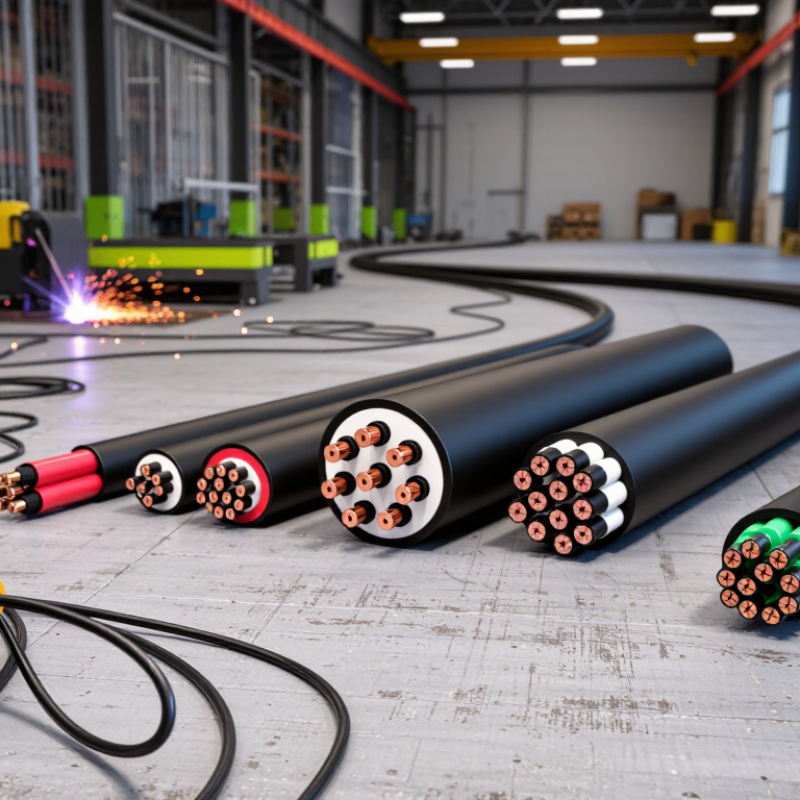
The “S” indicates extra-hard service, while “OO” identifies oil-resistant insulation and jacket. “W” indicates weather and water resistance. Most SOOW cable is rated for 600 volts, but temperature limits vary by construction and manufacturer. UL 62, the standard for flexible cords and cables, provides the testing framework for these requirements.
Construction affects performance in real workplaces.
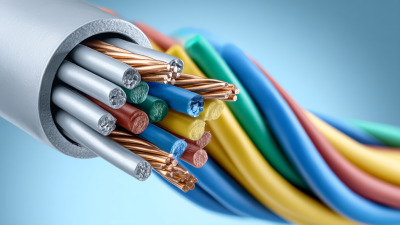
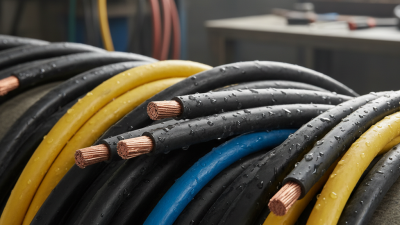
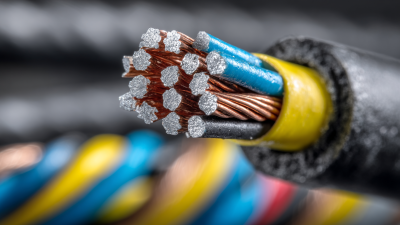
Fine-stranded copper conductors improve flexibility around generators, welding equipment, and temporary power panels. Elastomeric insulation helps the cable tolerate repeated bending, moisture, and moderate abrasion. Check the datasheet for dry, wet, and oil-exposure temperatures. A cable rated 90°C in wet locations is not automatically suitable for every chemical environment. That assumption causes trouble.
OSHA estimates that electrical hazards contribute to roughly 300 workplace deaths and 4,000 injuries annually in the United States.
Cable selection deserves more than a quick visual check. Confirm voltage, conductor size, ampacity, grounding, jacket markings, and the installation environment. NEC Article 400 also distinguishes flexible cords from permanent wiring, so SOOW should not replace fixed wiring without proper evaluation.
Measure the route first.
I have seen oversized cable create unsafe coils and undersized cable become hot under continuous load. The better choice balances flexibility, heat, mechanical stress, and actual duty cycles. Always compare the cable’s certification markings with its current technical documentation.
Assessing Your Business’s Voltage, Current, and Environmental Needs
Choosing the right SOOW cable starts with measured electrical demands, not appearance. Confirm the equipment’s rated voltage, running current, and starting current. Motors, compressors, and welders may draw several times their normal current during startup. A cable sized only for running amperes can overheat during repeated starts. Conductor size, ambient temperature, bundling, and cable length all affect ampacity. Check the manufacturer’s data and NFPA 70, Article 400, before installation.
Voltage drop deserves attention. Long cable runs can make a motor start slowly, produce heat, or trip protection. Many electrical designers target about 3% voltage drop on a branch circuit, although this is commonly treated as guidance rather than a universal rule. Measure the route. Do not guess. The U.S. Bureau of Labor Statistics recorded 145 fatal occupational injuries involving electric current in 2023. That figure reinforces why protection, inspection, and correct sizing matter, not just equipment performance.
Environmental exposure changes the selection. SOOW construction is generally intended for flexible service, including wet conditions, oil exposure, weather, and frequent movement. Still, verify the exact listing for chemicals, ultraviolet light, abrasion, crushing, and low temperatures. A cable rated for wet locations may not be suitable for permanent burial or severe chemical contact. I would recheck every installation near a washdown area, generator, or construction site. A neat cable route can still hide excessive bending or heat. Field conditions are often messier than the specification sheet. Source references: U.S. BLS, Census of Fatal Occupational Injuries, 2023; NFPA 70, 2023 edition.
Selecting the Right Conductor Count, Gauge, and Cable Length
How to Choose the Right SOOW Cable for Your Business?
Selecting the right conductor count, gauge, and length prevents overheating and unstable equipment performance. Match the conductor count to the machine’s design. A single-phase tool may need two current-carrying conductors and a ground. Three-phase equipment usually requires three power conductors and a ground. Some controls also need a neutral. Check the equipment diagram before ordering. Guessing here can create expensive rework.
Gauge depends on amperage, installation conditions, and allowable voltage drop. Higher loads generally require larger conductors. Long runs may need a larger gauge, even when the equipment’s rated current seems modest. Review the cable rating, ambient temperature, and bundled-cable conditions. A qualified electrician should verify the selection against applicable requirements. Small details matter.
Tips: Measure the actual route, not the straight-line distance. Add enough length for movement, bends, and safe connections. Avoid excessive slack near rotating equipment. If the cable will drag across a wet floor or contact oil, confirm its environmental suitability. Keep a record of the load calculation and final cable length. This makes future replacement easier. A common mistake is choosing the shortest affordable cable. It may fit today, but it can restrict movement tomorrow.
How to Choose the Right SOOW Cable for Your Business?
Select the conductor count for the circuit, choose a gauge that supports the required current, and verify cable length against voltage-drop limits. The chart below compares common SOOW configurations using typical copper ampacity references and an estimated planning length for a 10 A load at 120 V with a 3% maximum voltage drop.
Reference: Typical ampacity values are shown for 16, 14, and 12 AWG flexible copper conductors with three or fewer current-carrying conductors. Estimated lengths are calculated from approximate copper resistance values and are for planning only. Final cable selection should account for local electrical codes, ambient temperature, bundling, starting current, and the equipment manufacturer's requirements.
Verifying Compliance, Safety Standards, and Installation Requirements
Choosing the right SOOW cable starts with compliance, not appearance. Check the jacket markings, conductor count, voltage rating, temperature range, and permitted use. A heavy black jacket does not prove suitability. It may still fail under heat, oil exposure, moisture, or repeated flexing.
Match the cable to applicable electrical codes and site requirements. Confirm that its certification marks come from a recognized testing organization. Review the technical datasheet, not only the sales description. For outdoor equipment, inspect water and sunlight resistance. For portable machinery, calculate ampacity and consider starting current. A cable that feels flexible may still be undersized. That mistake is expensive.
Installation details matter just as much. Select connectors with proper strain relief and a matching cable diameter. Respect the listed bend radius, especially near motor housings and temporary power panels. Protect the cable from sharp edges, crushing, standing water, and vehicle traffic. Use ground-fault protection where local rules require it. A qualified electrician should verify terminations, continuity, grounding, and insulation condition before energizing the circuit. Keep inspection records with the installation date and operating location. Small details are easy to miss. During a final walk-through, even experienced teams should pause and reconsider whether the cable’s actual environment matches its rating.