Why Use a Photovoltaic Bracket for Solar Panel Installation?
The demand for renewable energy is growing rapidly. According to a recent report by the International Renewable Energy Agency, solar energy could account for over 20% of the global electricity supply by 2040. This surge emphasizes the need for effective solar panel installations.
A key component in ensuring the efficiency of solar systems is the use of a Photovoltaic Bracket. These brackets provide crucial support for solar panels, ensuring stability and optimal positioning. Proper installation can influence the energy output significantly. Research indicates that incorrectly mounted panels can lose up to 30% of their efficiency.
Choosing the right Photovoltaic Bracket can be complex. Factors include material, design, and the specific installation site. Some brackets may rust or degrade over time, underlining the importance of quality materials. Additionally, not all brackets are adaptable to every rooftop. This can lead to inefficiencies and unexpected costs. Reflecting on these issues can guide better decisions for sustainable energy solutions.
The Importance of Photovoltaic Brackets in Solar Panel Stability
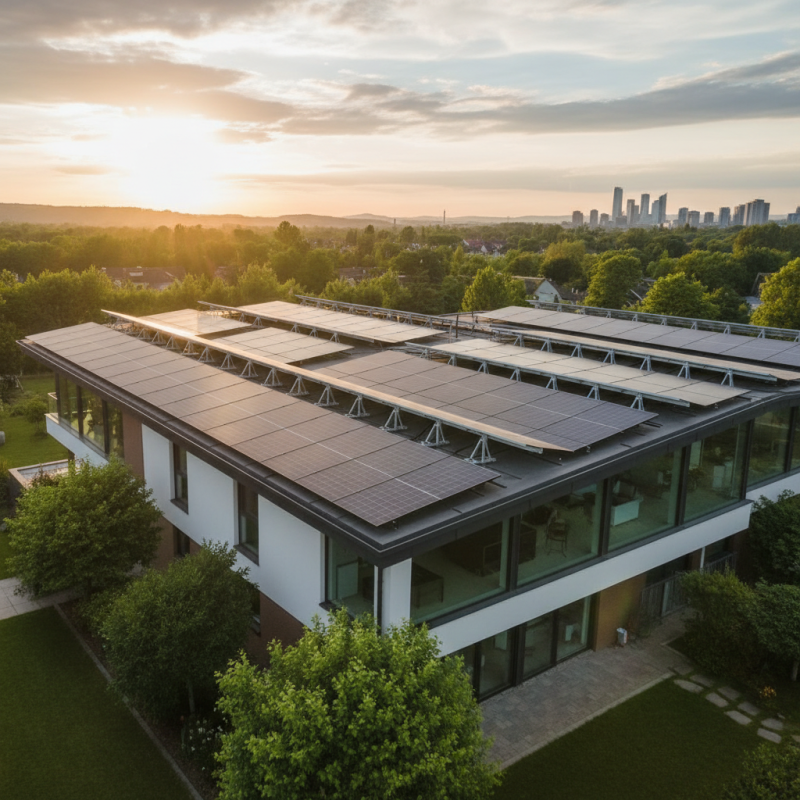
Photovoltaic brackets play a crucial role in solar panel stability. These brackets securely hold solar panels in place. With the right installation, they can withstand strong winds and heavy rain. A poorly installed bracket can lead to problems. Panels may shift or even detach, diminishing efficiency.
The materials used for these brackets are varied. Metals like aluminum offer durability and resistance to weather conditions. However, not all materials perform equally well. It's important to choose wisely. A weak bracket can compromise the entire solar setup. Each component of the installation must be considered, even at small scales.
In practical terms, installation requires precision. Misalignment can lead to uneven solar exposure. It’s also vital to assess the ground or roof conditions. Factors like slope and material will influence bracket choice. Reflection on these elements is essential. Solar projects should not be rushed. Proper planning and execution ensure long-lasting benefits.
Why Use a Photovoltaic Bracket for Solar Panel Installation? - The Importance of Photovoltaic Brackets in Solar Panel Stability
| Dimension | Description | Importance |
| Material | Aluminum, stainless steel, or galvanized steel are commonly used materials. | Provides corrosion resistance and longevity under various weather conditions. |
| Load Capacity | The maximum weight that the bracket can support. | Ensures the panels remain secure and stable during high winds and adverse weather. |
| Adjustment Range | The ability to adjust the angle of the solar panels. | Optimizes solar energy capture throughout the day and across seasons. |
| Compatibility | Various solar panel sizes and designs. | Allows for customization in diverse installation environments. |
| Installation Ease | Design that facilitates quick and easy installation. | Reduces labor costs and time required for setup. |
Key Benefits of Using Brackets in Solar Energy Systems
When installing solar panels, using a photovoltaic bracket can make a significant difference. Brackets provide stability and support for the panels, reducing the risk of damage from wind and weather. They also make positioning easier, ensuring the panels capture optimal sunlight. This setup enhances energy production, which is a crucial aspect of any solar energy system.
Another critical benefit of brackets is their adaptability. They can be adjusted to different angles, allowing solar panels to maximize exposure. Many systems require specific tilts depending on geographical location. Incorrect positioning can lead to energy loss. Regular reevaluation of angles may be necessary to maintain efficiency.
While they help in installation, brackets also come with a caveat. Improperly installed brackets can lead to misalignment or even structural issues. It's essential to assess installation quality regularly. Skipping maintenance could lead to costly repairs down the line. This aspect requires attention to detail and a willingness to reflect on potential improvements.
Selecting the Right Material for Photovoltaic Brackets
Selecting the right material for photovoltaic brackets is crucial for solar panel installation. The bracket material will directly affect the durability and efficiency of the solar system. Common materials include aluminum, steel, and plastic. Each comes with its pros and cons.
Aluminum is lightweight and resistant to corrosion. It is ideal for areas with heavy rainfall. However, it can be more expensive than other options. Steel, on the other hand, is often stronger and more affordable. Yet, it requires protective coatings to prevent rust. This adds to maintenance needs. Plastic brackets are cost-effective and rust-resistant but may not withstand harsh weather conditions.
When choosing materials, consider environmental factors. Does the area experience high winds or heavy snow? Should you prioritize cost or durability? Reflecting on these aspects can lead to better decisions. It is essential to weigh the long-term benefits against immediate costs. Each installation is unique, and what works for one might not work for another. Take time to evaluate your options carefully.
Why Use a Photovoltaic Bracket for Solar Panel Installation?
This chart illustrates the popularity of different materials used for photovoltaic brackets in solar panel installations. Aluminum is the most widely used material due to its lightweight and durable properties, while steel and plastic follow in preference.
Common Installation Techniques for Solar Panel Brackets
When installing solar panels, using a photovoltaic bracket is essential. Brackets provide stability and alignment. They allow for optimal sunlight exposure, which greatly increases energy efficiency. According to industry reports, proper installation techniques can improve system performance by up to 20%. This is critical for maximizing energy output.
There are various installation techniques for solar panel brackets. One common method is the use of rail systems. These rails help distribute weight evenly across the roof. They ensure secure mounting. Another technique involves using micro-inverters, allowing panels to work independently. This is beneficial in shaded areas. However, micro-inverters may increase installation complexity.
Some installers overlook the importance of adjusting the angle of solar panels. The right tilt can significantly affect energy capture. A study found that a 15-degree adjustment could result in up to a 10% increase in efficiency. It is important to test different angles based on geographic location and seasonal changes. Failing to optimize these factors could lead to underperformance in energy production. Effective installation requires constant evaluation and adaptation.
Impact of Bracket Design on Solar Energy Efficiency
The design of photovoltaic brackets plays a crucial role in solar energy efficiency. Properly engineered brackets optimize the angle of solar panels, maximizing sunlight exposure. Studies indicate that an optimal tilt can boost energy output by up to 30%. This benefit stems from the brackets' ability to adjust panels as needed throughout the year.
Materials are also significant. High-quality brackets resist corrosion and weathering. According to industry reports, over 15% of solar energy loss can be attributed to poor mounting systems. Investing in durable materials enhances both efficiency and longevity. Relying on inexpensive options may lead to frequent replacements, which offsets initial savings.
Tips: Regularly inspect your brackets for wear. A simple check can reveal potential issues early. Ensure alignment; misaligned panels can reduce output noticeably. Take the time to evaluate if your current bracket design is maximizing energy capture.