


10 Tips for Choosing Plastic Injection Molding Machines

10 Tips for Choosing Plastic Injection Molding Machines

Choosing Plastic Injection Molding Machines is a practical decision, not a simple equipment purchase. The right machine must match your products, materials, cycle times, production volume, and available floor space. A compact machine may suit small medical components, while larger automotive parts require stronger clamping force and greater shot capacity. The numbers must fit the process.

Small details matter. Check the mold dimensions, tie-bar spacing, injection pressure, screw design, and control accuracy. Confirm that the machine can handle your resin without excessive heat or shear. Energy consumption also deserves attention, especially during long production runs. An efficient hydraulic, hybrid, or electric system may reduce operating costs, but the cheapest quotation is not always the best value.

A poor match can create flash, short shots, warping, or unstable cycle times. Those defects waste material and damage delivery schedules. They also reveal weaknesses in the original selection process. No machine choice is perfect. Yet careful comparison reduces avoidable surprises. Speak with experienced technicians, request verified specifications, and inspect service support before signing an order. Ask how quickly replacement parts arrive and who will troubleshoot a controller fault at midnight.

Keep safety, maintenance access, operator training, and future expansion in view. A machine that performs well today may become restrictive after a new mold arrives. The following ten tips examine these decisions closely, using practical criteria rather than attractive brochures. Some recommendations may require adjustment for your factory, because real production conditions rarely match a sales demonstration.
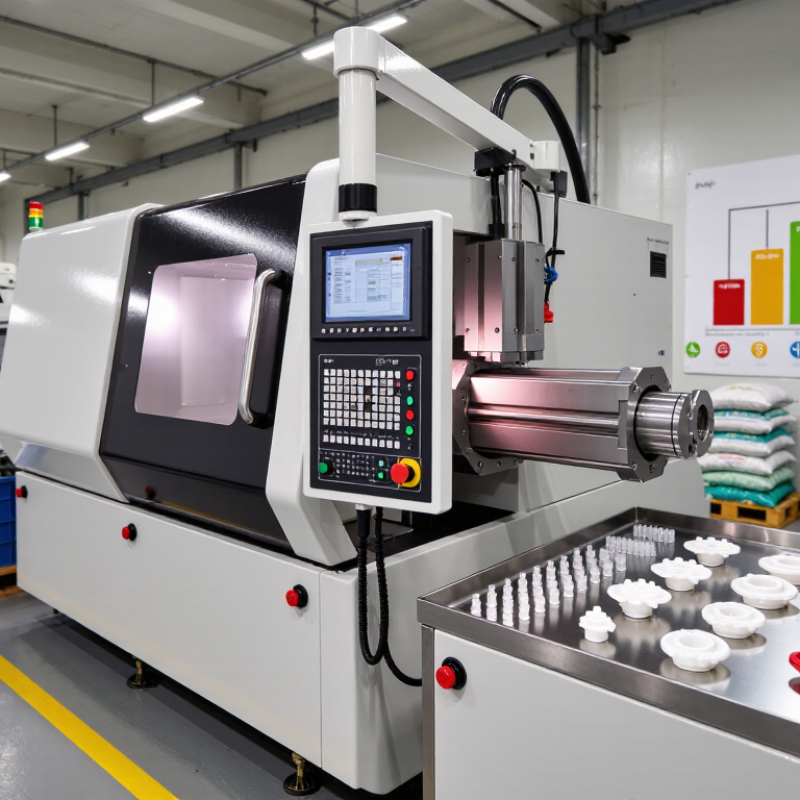
10 Tips for Choosing Plastic Injection Molding Machines

Define Production Requirements and Machine Specifications

Before comparing machines, define the production job in measurable terms.

Record resin type, part weight, projected area, mold dimensions, annual volume, cycle time, and quality tolerance. A small housing may need only moderate clamping force, while a thin-walled tray can demand high injection speed and pressure.

As a practical starting point, many processors size clamping force around 2–5 tons per square inch of projected area, then verify it through mold trials. Do not rely on a single formula.

The machine specification must match the complete process.

Check shot capacity, injection pressure, screw diameter, tie-bar spacing, platen size, mold-height range, ejection stroke, and control repeatability. Keep the planned shot within roughly 30–70% of barrel capacity; oversized barrels can increase residence time and material degradation.

The Plastics Industry Association reported approximately $548.1 billion in U.S. plastics industry shipments in 2022, showing how costly small efficiency losses can become at scale. EUROMAP valued global plastics and rubber machinery production at about €36.2 billion in 2023, reflecting a highly technical and competitive equipment market.

Energy data deserves attention too. Compare actual kilowatt-hours per kilogram, not brochure claims.

A spreadsheet can lie.

I have seen machines pass a catalog review but fail on mold access, cooling capacity, or unstable startup cycles. Leave room for future molds, but avoid paying for unused tonnage. The best specification is sometimes less impressive.

Compare Injection Capacity, Clamping Force, and Mold Compatibility

Choosing a plastic injection molding machine requires more than checking its advertised size. Compare injection capacity, clamping force, and mold compatibility against your actual production conditions.

Tip: Match the shot size with the part weight, runner volume, and a safety margin. A 180-gram molded shot should not depend on a 180-gram maximum rating. A working range near 60–80% is often more stable. However, resin density and screw design can change the result. Verify the cushion during trials, not from a brochure alone.

Tip: Estimate clamping force from projected area, cavity pressure, and mold safety. A wide, thin cover may need more force than a heavier, narrow fitting. Excessive force can increase flash risk and mold stress. Too little force causes separation. The calculation deserves review.

Check mold compatibility carefully. Measure tie-bar spacing, mold thickness, daylight, ejector stroke, and nozzle alignment. The mold must fit physically. It sounds obvious. Yet this mistake is common. A machine may provide enough force but still reject the mold dimensions. Confirm drawings and test the mold movement before purchase. Practical experience sometimes exposes gaps in the original calculation.

10 Tips for Choosing Plastic Injection Molding Machines

Compare injection capacity, clamping force, and mold compatibility across common machine size classes.

Larger machines generally provide higher injection capacity, greater clamping force, and support for heavier molds. The figures shown are realistic representative midpoints for general-purpose machines; actual specifications vary by machine design, material, mold construction, and molding requirements.

Evaluate Machine Controls, Energy Use, and Operating Efficiency

Choosing an injection molding machine requires more than comparing clamping force and shot size. Examine the control system closely. A modern controller should display cycle time, pressure, temperature, alarm history, and energy consumption in real time. Recipe storage also reduces setup errors between production runs. Measure it live. Operators should adjust process limits without entering confusing menus or bypassing safety interlocks.

Energy performance deserves equal attention. The International Energy Agency reported that industry used about 37% of global final energy in 2022. The U.S. Department of Energy also states that motor-driven systems consume more than 70% of industrial electricity. These figures make hydraulic pump efficiency, standby modes, and servo response practical purchasing concerns. Ask for measured specific energy consumption in kWh per kilogram, preferably under a cycle similar to your parts. Nameplate efficiency is not enough.

Operating efficiency includes stable quality, not only low electricity use. Compare recovery time, mold-change procedures, cooling control, and rejected-part rates. A machine that saves energy but creates uneven filling can increase total costs. In a plant review, a small temperature drift may appear harmless, yet it can produce flash across thousands of parts. Do not guess. Request trial data, maintenance records, and a clear measurement method. The figures may still be imperfect, because material moisture, mold design, and operator settings change results. That limitation should be recorded, not hidden.

Check Reliability, Maintenance Needs, Safety, and Technical Support

10 Tips for Choosing Plastic Injection Molding Machines

Reliability starts with repeatable performance, not a polished brochure. During machine evaluations, I watch cycle data across several hours. Pressure drift, unusual vibration, or inconsistent clamping deserves attention. Ask for maintenance records, failure histories, and verified production references. Ask for records.

Inspect access to filters, heaters, lubrication points, and hydraulic components. A technician should reach common service areas without dismantling half the machine. Check spare-parts availability and expected delivery times. Preventive maintenance instructions should show intervals, tools, and acceptable wear limits. Vague manuals create expensive guesswork.

Safety features must be practical on the factory floor. Test guard interlocks, emergency stops, pressure protection, and fault alarms before purchase. Operators need clear controls and suitable training. Technical support should include installation guidance, remote diagnostics, and realistic response times. Confirm who handles urgent problems after normal working hours. I once underestimated training requirements, and small setup errors caused repeated rejects. That mistake changed my inspection checklist. A careful trial should include material changes, mold adjustment, alarm recovery, and restart procedures. The machine may perform well during a demonstration, yet struggle with your actual molds, resin, or shift pattern. Review electrical requirements and local compliance with qualified professionals. Keep every promise in writing.

Calculate Total Ownership Costs Before Making the Final Choice

10 Tips for Choosing Plastic Injection Molding Machines

Calculate Total Ownership Costs Before Making the Final Choice

The purchase price shows only the beginning of a machine’s financial impact. Calculate energy use, maintenance, labor, tooling, installation, and expected downtime. A machine that costs less today may consume more electricity every production hour. Request realistic cycle-time data, not only optimistic sales estimates. Then compare the cost per molded part.

During machine evaluations, I record power requirements, oil or hydraulic needs, spare-part availability, and technician response times. Check whether existing molds, robots, and cooling systems are compatible. A small mismatch can require expensive upgrades. Include operator training, software updates, safety inspections, and floor preparation in the budget. These costs are easy to overlook.

I once underestimated installation work. That estimate was wrong. The electrical upgrade delayed production and affected delivery commitments. Now, I ask for a complete site assessment before approving equipment. Review warranty limits, service coverage, maintenance schedules, and documented reliability data. Also estimate the machine’s useful life and possible resale value. A simple spreadsheet can compare five-year ownership costs under different production volumes. Leave room for unexpected repairs. Perfect forecasts do not exist, but transparent assumptions support better decisions.