Top Cable Trays for Global Buyers What to Consider?
In the world of electrical infrastructure, selecting the right Cable Trays is essential. These components help organize and protect cables in various settings. As industry expert John Thompson states, “A well-designed cable tray system enhances both safety and efficiency.” His insight underscores the importance of choosing the right solution for your specific needs.
Considering the growing demand for wire management systems, global buyers need to be informed. Factors such as material, load capacity, and installation ease significantly impact the effectiveness of Cable Trays. Additionally, sustainability is becoming a priority. Opting for eco-friendly materials can align projects with modern environmental standards.
However, not every buyer understands these nuances. Some may overlook the importance of proper design and installation. This can lead to increased costs and safety hazards down the line. It’s crucial to reflect on these aspects before making a decision. Evaluating your requirements will ensure that your choice of cable trays supports your project goals.
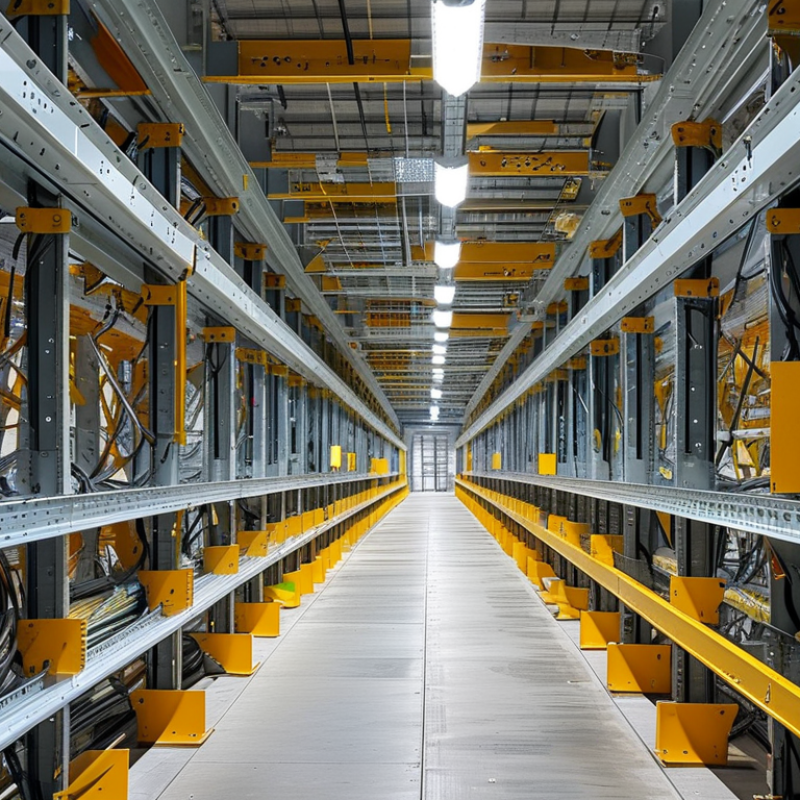
Top Cable Trays: Types and Their Applications in Various Industries
When selecting cable trays, understanding their types and applications is crucial for various industries. Different materials, like metal and plastic, serve distinct purposes. Metal trays are robust and suitable for heavy-duty environments. Plastic options, while lighter, are ideal for less demanding setups. Additionally, there are ladder, perforated, and solid bottom trays. Ladder trays facilitate better airflow, preventing overheating. In contrast, solid trays offer full protection for cables.
Tips: Always assess the weight and type of cables you will use. Consider the environment where the trays will be installed. This will influence your material choice.
Different industries have unique requirements. In manufacturing, cable trays must support heavy machinery. Hospitals often need lightweight trays that ensure cleanliness. In telecommunications, flexibility is vital, allowing frequent changes in layout. Each setting demands careful planning to avoid future complications.
Tips: Get expert advice for complex installations. Always factor in future expansions when designing your cable management system. Planning ahead can save significant costs and effort down the line.
Factors to Consider When Choosing Cable Trays for Your Project
When choosing cable trays for your project, several critical factors come into play. The material of the cable tray is essential. Steel, aluminum, and fiberglass are common choices. Each material has its advantages and limitations. For example, steel offers durability but might corrode in certain environments. Aluminum is lightweight but can be more expensive. Fiberglass resists chemicals and moisture but may not support heavy loads.
The size of the cable tray also needs consideration. Calculate the total volume of cables to be accommodated. Overloading a tray can lead to safety hazards. Ensure there is enough space for future expansion. Accessories like couplers and elbows can optimize cable organization. Pay attention to tray width and depth specifications. Width affects cable arrangement, while depth impacts cable support.
Lastly, environmental factors matter. Consider the installation location. Areas exposed to extreme temperatures may require trays with specific coatings. In contrast, indoor installations could allow for less robust options. Always check if the selected trays comply with your local regulations. This step ensures safety and reliability. Each decision impacts your system's performance and longevity.
Top Cable Trays for Global Buyers - Factors to Consider When Choosing Cable Trays for Your Project
| Material | Load Capacity (lbs) | Width (inches) | Height (inches) | Channel Type | Price Range (USD) |
| Steel | 1500 | 12 | 4 | Ladder | 50 - 100 |
| Aluminum | 1200 | 10 | 3 | Perforated | 40 - 90 |
| Fiberglass | 800 | 14 | 5 | Solid | 60 - 120 |
| PVC | 600 | 8 | 2 | Duct | 20 - 50 |
Material Options for Cable Trays and Their Benefits
When selecting cable trays, material choice plays a significant role. Different materials offer varying benefits tailored to specific environments. Steel cable trays provide durability and strength, making them ideal for heavy-duty applications. According to industry reports, up to 70% of electrical professionals prefer steel for its longevity and resistance to high temperatures.
Aluminum trays are lightweight but equally effective. They are resistant to corrosion, making them suitable for outdoor installations. A 2022 study found that aluminum trays can extend service life by 30% in corrosive environments. However, users should be aware that while aluminum is less robust than steel, it can still support moderate loads effectively.
Plastic cable trays are increasingly popular for their flexibility and ease of installation. They can be a cost-effective choice, especially in residential projects. Nonetheless, plastic may not withstand heavyweights. A recent analysis revealed a growing trend towards plastic trays, with a 15% increase in usage among smaller projects. Each material has pros and cons, warranting careful consideration based on the specific project requirements.
Understanding Cable Tray Standards and Regulations Globally
When selecting cable trays, understanding global standards and regulations is crucial. Different regions have specific norms that ensure safety and efficiency. Knowing these standards helps in avoiding costly compliance issues.
Tip: Research local codes before making a purchase. Each country has unique requirements. Familiarize yourself with certification marks. They indicate compliance with safety guidelines.
Another factor is material selection. Steel, aluminum, and PVC are common. Each material has its pros and cons regarding durability and cost. Some regions may mandate specific materials based on environmental conditions.
Tip: Consider your installation environment. Are there extreme temperatures or humidity levels? This can influence material choice.
Inspecting your chosen cable tray system is vital. Regular checks ensure integrity and safety. Documentation of these inspections supports compliance with standards.
Innovations in Cable Tray Design for Enhanced Efficiency and Safety
Innovations in cable tray design are crucial for enhancing efficiency and safety in various installations. New materials are being utilized that offer greater strength and durability. Lightweight composites, for example, can significantly reduce the overall weight of the installation, making it easier to transport and install. This not only saves time but also reduces labor costs.
Furthermore, the designs have evolved to include better airflow. Improved venting features can prevent overheating of cables. This is especially important in larger installations where heat buildup is a concern. However, this innovation may not be universally adopted yet. Some installations still rely on traditional designs that may hinder airflow.
Another area of innovation focuses on modular designs. These allow for easier customization and scalability. Users can adapt their systems as needs change without extensive overhauls. Interestingly, while these innovations are promising, they also require proper training for installation teams. There can be a knowledge gap that may lead to improper installations. Reliable knowledge sharing is essential to maximize the benefits of new designs.