Top 10 Wire Suppliers in China You Should Know?
The wire industry in China plays a crucial role in global manufacturing and infrastructure. As per the recent market analysis by ResearchAndMarkets, China's wire market is projected to reach USD 60 billion by 2025, driven by increasing demand in sectors like construction, energy, and telecommunications. This growth highlights the importance of identifying reliable wire suppliers to sustain various industries.
Understanding the top wire suppliers in China is essential for businesses looking to source quality products. The market features a mix of local and international players, each offering unique advantages. Many suppliers emphasize innovation and technology, aiming to meet the evolving needs of their clients. While there is significant potential, navigating this landscape can be complex. Not all suppliers maintain consistent quality, which is a crucial factor for companies relying on wire products.
With the right insights, businesses can make informed decisions about partnerships with these suppliers. The following article explores the top ten wire suppliers in China. These companies not only demonstrate expertise but also contribute significantly to the country's stature as a leader in the wire manufacturing industry. Each has its strengths and areas for improvement, providing valuable lessons for potential buyers.
Overview of Wire Industry in China
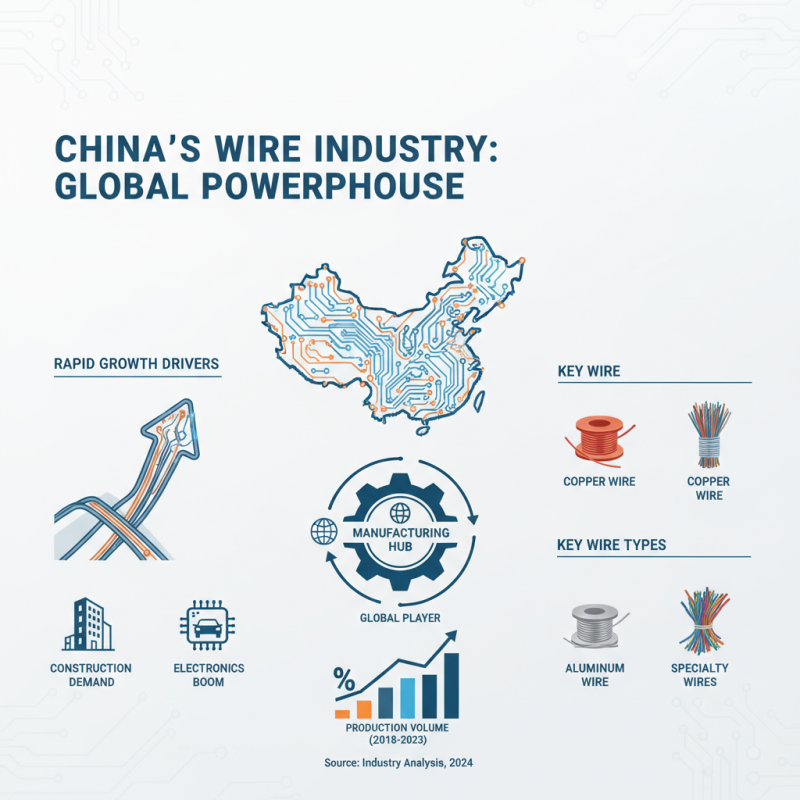
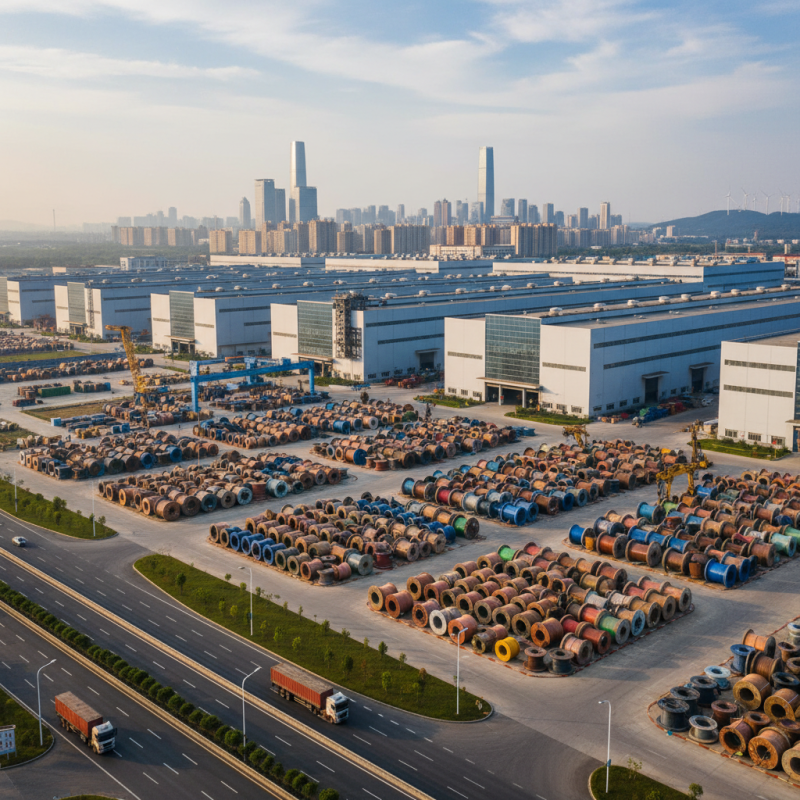
The wire industry in China is a vital sector, experiencing rapid growth over recent years. This growth is driven by increased demand in construction, electronics, and automotive fields. China's expansive manufacturing capabilities have positioned it as a significant global player in wire production. Various types of wires, such as copper, aluminum, and specialty wires, cater to a range of industries.
Despite this robust development, challenges persist. Quality control remains an issue for many manufacturers. Not all suppliers adhere to the same standards, leading to variability in product reliability. The industry must strive for better quality assurance processes. Sustainability is another concern, as environmental regulations are tightening. Many manufacturers struggle to meet these new requirements.
Investments in technology are necessary for future growth. Automation and advanced manufacturing can improve efficiency and product quality. However, the transition can be slow and costly. Companies must weigh their options carefully. This dynamic industry landscape presents both opportunities and hurdles. Understanding these factors is crucial for stakeholders in the wire sector.
Criteria for Selecting Top Wire Suppliers
When selecting the best wire suppliers in China, several key criteria should be considered.
Quality is paramount. Suppliers should provide detailed certifications, such as ISO 9001, ensuring they meet international standards. According to recent industry reports, around 70% of buyers prioritize quality when choosing a supplier. Reliable suppliers also invest in regular quality checks. This builds trust and ensures consistency in their products.
Pricing is another crucial factor. Competitive pricing combined with high-quality standards can indicate a supplier's efficiency. Data suggests that negotiating terms based on volume can lead to significant cost savings—up to 15% in some instances. Evaluating pricing structures against market trends can help identify economically viable suppliers.
Tips: Always assess the supplier's capacity. Check production capabilities to ensure they can handle your order size. Communication is important too. Suppliers that provide timely responses generally show higher reliability. Lastly, consider their after-sales support; a strong commitment to customer service can reflect their overall business ethos. Keep these points in mind when navigating your options.
Profiles of Leading Wire Suppliers in China
When exploring the wire industry in China, several leading suppliers stand out. These companies have established a reputation for quality and reliability. They provide various wire products, including copper, aluminum, and steel wires. Each supplier has unique strengths that cater to different market needs.
It's essential to thoroughly research suppliers. Look into their production capabilities and certifications. This will help assess their quality standards. Furthermore, checking client reviews can offer insights into their reliability. Engage directly with suppliers to understand their offerings better.
Consider asking for samples. This practice allows you to evaluate the wire's quality first-hand. Don't hesitate to discuss pricing, as there may be room for negotiation. Establishing a good relationship with your supplier can lead to better terms in the long run. Remember, the best supplier is not always the one with the lowest price but the one that meets your needs consistently.
Comparative Analysis of Wire Products Offered
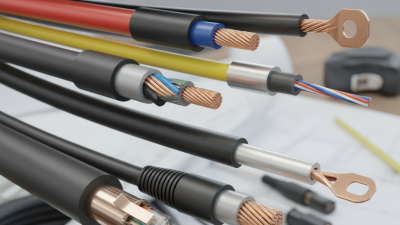
When exploring wire products in China, various suppliers offer distinct advantages and specialties. Some focus on copper wire, prized for its conductivity and durability. Others excel in aluminum wire, which is lightweight and cost-effective. The choice of material impacts the performance and application of the wire. Consideration of these factors is crucial when selecting the right product for specific needs.
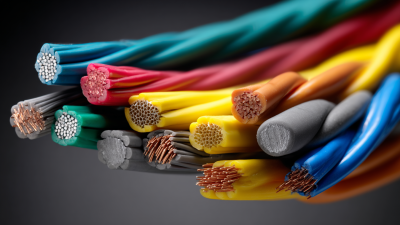
The variations in insulation types are also noteworthy. Different suppliers may provide PVC, XLPE, or rubber insulation. Each type showcases unique benefits, including heat resistance and flexibility. Quality varies significantly, and not every supplier maintains the same standards. Buyers must evaluate these differences carefully. A thorough understanding of specifications is essential to avoid common pitfalls and ensure compatibility with existing systems.
Lastly, the finish of the wires can influence both performance and appearance. Some wires may have a shiny finish, while others appear dull. Aesthetic concerns sometimes matter in certain applications. Notably, many suppliers offer customization options. These can lead to better product alignment with project requirements. Understanding these dynamics enables more informed decisions in selecting wire products.
Market Trends and Innovations in Wire Manufacturing
The wire manufacturing industry in China is witnessing exciting developments. Innovations in material technology are leading to stronger and lighter wires. Manufacturers are now focusing on eco-friendly materials. These changes align with the global sustainability trend. Companies are increasingly using recycled metals, reducing waste and energy consumption.
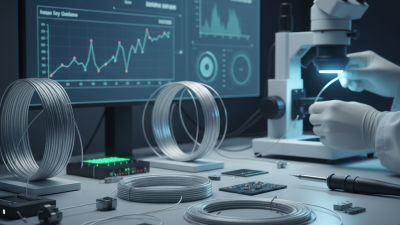
Automation in production processes is another significant trend. Advanced machinery enhances precision and efficiency. However, not all manufacturers have adapted quickly. Some still rely on outdated methods, which can hinder competitiveness. Investing in training and technology is crucial for those lagging behind.
Furthermore, custom wire solutions are gaining popularity. Clients seek specific characteristics for unique applications. The demand for specialized wires has prompted manufacturers to innovate rapidly. However, this shift also raises questions about quality control. Balancing customization with consistent quality remains a challenge in the industry.
Top 10 Wire Production Capacities in China (in Tons)