Why Choose Armoured Cable for Global Projects?

Why Choose Armoured Cable for Global Projects?

Why Choose Armoured Cable for Global Projects?

Global infrastructure is expanding across wind farms, ports, railways, data centres, and industrial facilities. The International Energy Agency’s Electricity Grids and Secure Energy Transitions report estimates that annual grid investment must rise to more than USD 600 billion by 2030. These networks need cables that tolerate mechanical stress, moisture, vibration, and demanding installation conditions.

That is where armoured cable becomes a practical engineering choice. Its metallic protection can reduce damage from crushing, impact, rodents, and accidental excavation. In a coastal substation, for example, cable performance may depend on correct gland selection, sealing, earthing, and corrosion protection. The cable alone cannot solve every site problem.

Design discipline matters.

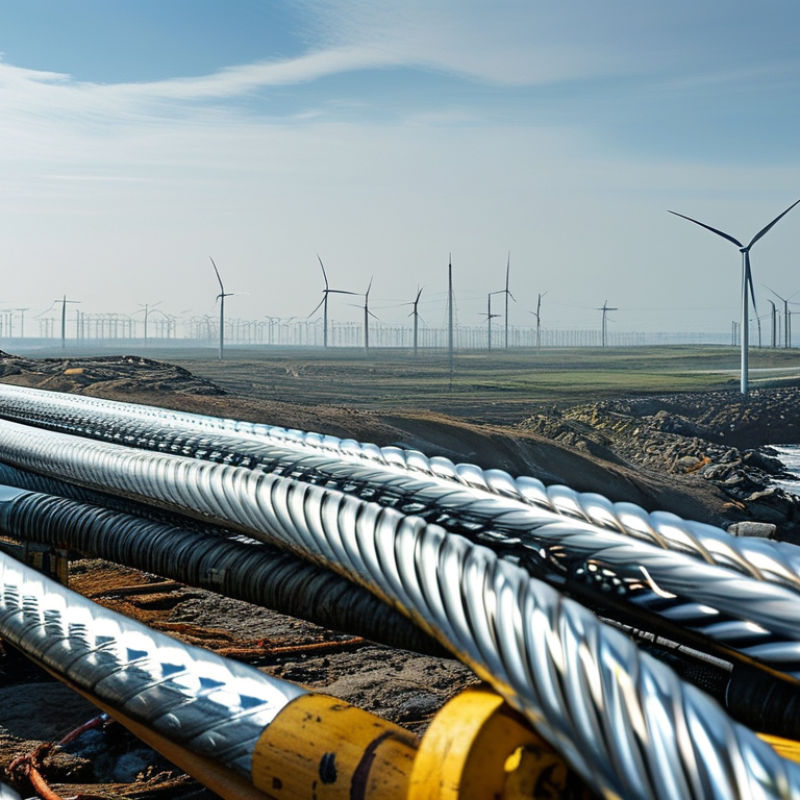
The Global Wind Energy Council reported 117 gigawatts of new wind capacity in 2023. Many projects cross remote terrain, where repairs are expensive and access is limited. Armoured cable can support safer, more durable power distribution when engineers match its construction to voltage, soil, temperature, fire, and installation requirements.

Steve Holliday, former Chief Executive of National Grid, described the energy transition clearly: “The energy transition is a network transition.” His observation explains why cable selection deserves early attention, not late procurement. IEC standards, manufacturer test data, and verified project references should guide the decision. One caution remains: armouring may increase weight, bending demands, and installation cost. Choosing it automatically would be poor engineering. Choosing it after a realistic risk assessment can protect uptime, people, and long-term project value.
Why Choose Armoured Cable for Global Projects?

What Is Armoured Cable and How Does It Work?

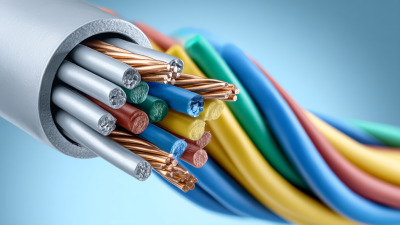
Armoured cable is a power cable built for difficult environments. Inside, copper or aluminium conductors carry electrical current. Insulation separates each conductor, while an inner bedding layer holds the cable structure in place. A metallic armour layer surrounds it. The outer sheath then protects the assembly from moisture, chemicals, and abrasion.

The armour does more than add strength. During installation, it helps resist crushing from soil, stones, and accidental impact. In many cable designs, it also provides an earth continuity path when correctly connected with approved glands and bonding hardware. A site electrician may notice the difference immediately: an unprotected cable can suffer damage beside a sharp trench edge, while armoured cable tolerates greater mechanical stress. Still, it is not indestructible.

Selection depends on voltage, conductor size, installation method, temperature, and local electrical rules. A cable suitable for a buried warehouse feeder may be unsuitable for a hot plant room or a wet coastal site. Moisture can enter through poor terminations. The armour can also lose its protective function when fittings are loose or incorrectly chosen.

I have seen projects focus heavily on cable size and overlook entry hardware. That assumption is risky. Engineers should check bend radius, fault-current performance, corrosion resistance, and testing requirements before installation. Global projects often involve different standards and working practices, so drawings and certificates need careful review. One detail may be missed.

Key Protection Features for Demanding Global Environments

Why Choose Armoured Cable for Global Projects?

Global infrastructure faces harsher conditions and tighter reliability demands. The International Energy Agency’s Electricity Grids and Secure Energy Transitions report estimates that 80 million kilometres of grids must be added or refurbished by 2040. That scale exposes cables to excavation, vibration, transport damage, moisture, and accidental impact. Armoured cable adds a mechanical barrier around conductors and insulation. In practical terms, it can withstand a careless shovel strike better than many unarmoured alternatives. Not every strike.

Its protection value depends on the complete cable system. A metallic armour layer can improve resistance to crushing, abrasion, and rodent damage. Correct glands and bonding arrangements also support earth-fault protection. IEC 60364 guidance makes installation design essential, especially for earthing, segregation, and environmental selection. In coastal locations, engineers should examine corrosion resistance, sheath materials, and water penetration risks. Armour alone does not prevent corrosion.

Reliability still needs evidence. Allianz Commercial’s Risk Barometer 2024 ranked business interruption among the leading corporate risks, affecting 31% of respondents. A damaged cable can stop pumps, controls, lighting, or data links. Project teams should request test records, bending-radius limits, temperature ratings, and documented quality controls. Field experience shows that installation mistakes remain common. Tight bends and poorly sealed entries quietly defeat good cable design. The uncomfortable point is simple: heavier protection may increase cost, weight, and installation effort, so engineers must match the cable to the site rather than specify armour automatically.

How Armoured Cable Supports Safety and Installation Reliability

Why Choose Armoured Cable for Global Projects?

Armoured cable supports safety by adding mechanical protection around insulated conductors. Its metallic layer helps resist impact, crushing, and accidental contact during installation. This matters in factories, transport facilities, and outdoor routes where cables face tools, movement, or uneven ground. A strong outer sheath also helps limit moisture and abrasion risks. Protection is not absolute.

Reliable installation depends on more than selecting a heavy cable. Qualified installers should inspect the sheath, confirm conductor size, and test insulation resistance before energising the circuit. They should also verify armour continuity and suitable earthing arrangements, following the project specification and local electrical requirements. Correct glands matter too. Poor sealing can allow water inside. Small errors hurt.

Armoured cable is less flexible than many unarmoured alternatives, so route planning deserves attention. Tight bends can damage the cable or increase pulling force. Its weight may require stronger supports and additional handling equipment. No installation is flawless. Field inspections can still find loose glands, unsupported sections, or missing identification. A practical team records test results, checks every termination, and leaves enough access for maintenance. These habits improve reliability, even when site conditions change unexpectedly.

Why Choose Armoured Cable for Global Projects? - How Armoured Cable Supports Safety and Installation Reliability

Selection should always be verified against the applicable national electrical code, project specification, installation method, environmental conditions, and cable manufacturer’s technical data.
Project Dimension How Armoured Cable Helps Installation Reliability Benefit Important Selection or Installation Check
Mechanical Protection Metal armour provides an additional protective layer around the insulated cores and outer sheath. It reduces the likelihood of cable damage from impact, crushing, abrasion, and accidental contact during installation and service. Confirm the required armour construction and mechanical performance for direct burial, ducts, trays, tunnels, or exposed routes.
Grounding and Fault Protection Depending on the cable design and local rules, the metallic armour may serve as a protective conductor or bonding path. A correctly bonded armour system can support fault-current return and help protective devices disconnect a fault. Verify armour conductivity, bonding continuity, gland requirements, earthing design, and calculated earth-fault-loop impedance. Armour must not be assumed to replace a protective conductor without verification.
Resistance to Moisture and Soil Exposure The armour adds structural protection, while the cable sheath and insulation provide the primary barrier against moisture and environmental exposure. It helps maintain cable integrity in buried routes and other locations where pulling, backfilling, or ground movement may stress the cable. Check the cable’s water-resistance, sheath material, burial suitability, drainage conditions, soil chemistry, and any required additional covering.
Rodent and Pest Risk Metallic armour can make access to the insulated cores more difficult for rodents and other animals. The added barrier can reduce the risk of insulation damage in underground, agricultural, remote, and infrastructure environments. Select armour and sheath materials according to the pest risk; armour is not a substitute for route protection or correct cable depth.
Installation Environment Armoured cables are available for fixed installations in buildings, industrial facilities, outdoor routes, underground systems, and infrastructure projects. A robust cable construction can reduce dependence on separate mechanical protection in suitable applications. Confirm whether the route requires a tray, ladder, conduit, duct, cleat system, protective tiles, warning tape, or other additional measures.
Cable Type and Armour Material Common constructions include steel wire armour, steel tape armour, and aluminium wire armour, each serving different mechanical, electrical, and weight requirements. Correct armour selection improves handling, bending performance, corrosion resistance, and compatibility with the installation system. Consider conductor material, single-core or multicore construction, magnetic effects, corrosion exposure, cable weight, minimum bending radius, and termination hardware.
Bending and Routing The armour supports the cable structure but also increases stiffness compared with an equivalent unarmoured cable. Properly planned routes can reduce movement, unsupported spans, and termination stress. Follow the specified minimum bending radius, pulling tension, sidewall pressure, cleat spacing, and cable-support requirements.
Termination and Jointing Armoured cable systems use compatible glands, lugs, earth tags, bonding accessories, and jointing components to maintain enclosure and electrical integrity. Correct terminations help prevent moisture ingress, loose connections, sheath damage, and discontinuity in the armour bonding path. Use accessories approved for the cable diameter, armour type, enclosure rating, hazardous-area classification where applicable, and local installation rules.
Fire and Smoke Performance Armour provides mechanical protection; it does not automatically make a cable fire-resistant, flame-retardant, low-smoke, or halogen-free. Using the correct fire-performance cable can help maintain required safety performance in evacuation routes and critical facilities. Specify fire, smoke, halogen, circuit-integrity, and flame-propagation performance separately from the armour requirement.
Electrical Loading and Heat Dissipation Armour affects cable construction, diameter, weight, and thermal arrangement, while the current-carrying capacity depends on the complete cable design and installation conditions. Correct thermal assessment helps reduce overheating, insulation ageing, and nuisance trips. Calculate ampacity using conductor size, insulation temperature rating, ambient temperature, grouping, burial conditions, ventilation, and installation method.
International Project Compliance Armoured cable designs can be manufactured and tested to recognized international or national standards, depending on the selected cable type. Using a clearly specified standard improves consistency across procurement, inspection, testing, and installation teams. Define the applicable standard, voltage rating, conductor class, insulation and sheath materials, test certificates, markings, and required approvals before purchase.
Lifecycle Maintenance A protected cable route can be less vulnerable to routine mechanical damage, but terminations, supports, and exposed sheaths still require inspection. Reduced physical damage can support service continuity and lower the probability of unplanned cable replacement. Include visual inspection, bonding continuity checks, insulation-resistance testing, thermal inspection where appropriate, and records of any repair or modification.
Key Trade-Off Armoured cable generally offers stronger mechanical protection than an equivalent unarmoured construction. The additional protection may improve installation robustness, especially in exposed or buried routes. Balance protection against higher weight, larger diameter, reduced flexibility, more complex termination, and potentially higher installation effort.

Choosing the Right Armoured Cable for Regional Project Requirements

Why Choose Armoured Cable for Global Projects?

Choosing the Right Armoured Cable for Regional Project Requirements

A global project rarely has one cable solution. Regional conditions decide the better choice. Start with voltage, conductor size, insulation, and installation method. Then check local electrical codes and approved testing requirements. A cable suitable for a dry indoor plant may fail in wet soil or exposed outdoor routes.

Armour selection also depends on physical risk. Steel armour can provide strong mechanical protection beneath roads, floors, and construction areas. Aluminium armour may reduce weight where magnetic effects or handling limits matter. Consider UV exposure, moisture, corrosion, temperature, and the expected pulling tension. On project reviews, small details often cause delays, such as an oversized gland or an unsuitable bending radius. Measure carefully. It is easy to overlook.

Tips: Build a regional cable schedule before ordering. Confirm conductor material, armour type, sheath performance, fire behavior, and certification with qualified engineers. Request factory test records and installation guidance. Keep spare lengths for difficult routes, but avoid excessive stock that may age before use. Local expertise matters, although it should be checked against current regulations. A second review can catch an assumption made too quickly.

Why Choose Armoured Cable for Global Projects?

Choosing the Right Armoured Cable for Regional Project Requirements

Regional power systems influence cable insulation ratings, conductor sizing, gland selection, and installation design. The chart shows representative three-phase low-voltage line-to-line systems used in project planning. Actual requirements may vary by country, utility, installation method, and local electrical regulations. Armoured cable is commonly selected where mechanical protection, reliable earthing continuity, and resistance to demanding installation environments are required. Voltage references are based on internationally recognized nominal system values, including IEC 60038 and regional electrical standards.

Standards, Testing, and Compliance in International Applications

Why Choose Armoured Cable for Global Projects?

Standards, testing, and compliance decide whether an armoured cable performs reliably across borders. The cable must match the project voltage, installation method, environment, and local regulations. Relevant requirements may include the IEC 60502 series, IEC 60228, and national wiring rules. These documents define construction, conductor performance, insulation, and testing requirements.

Testing should reflect real site conditions. Manufacturers commonly verify conductor resistance, insulation resistance, voltage withstand, dimensional accuracy, and mechanical strength. Armour continuity also matters. Poor bonding can weaken fault protection. In humid coastal projects, sheath materials and sealing systems deserve close attention. During delivery, cable drums need protection from standing water, impact, and excessive heat. Small handling errors can create expensive failures.

Compliance documents should be traceable and project-specific. Review test certificates, material records, inspection plans, and declared manufacturing lengths. An accredited independent laboratory can provide useful verification, especially when several countries share one project. However, a certificate alone is not enough. Installation teams must follow bending radii, gland selection, earthing, and jointing instructions. I have seen specifications appear complete while ignoring local fire or burial requirements. That is an uncomfortable gap. Engineers should question familiar assumptions and confirm every requirement with the authority having jurisdiction. Mistakes happen. Careful records make them visible earlier.