What is a Wire Connector and How Does it Work?
A wire connector is a fundamental component in electrical connections. It ensures safe and reliable connections between wires. Understanding the function and design of wire connectors is crucial for both professionals and DIY enthusiasts.
Wire connectors come in various types, including twist-on, push-in, and crimp connectors. Each type serves a unique purpose. Selecting the right connector can make a significant difference in performance and safety. However, improper use can lead to issues such as poor connectivity and increased risk of shorts.
Awareness of wire connector quality is essential. Inferior connectors can cause failures, leading to potential hazards. The right knowledge and experience are vital when choosing or using this component. A well-made wire connector can enhance the longevity and reliability of electrical systems. It seems simple, yet many overlook these details, leading to mistakes.
What is a Wire Connector?
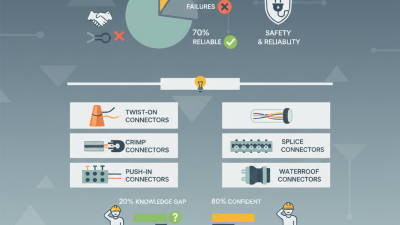
A wire connector is a crucial component in electrical systems. It securely connects two or more wires to ensure efficient electrical flow. These connectors come in various types, each designed for specific applications. Common styles include twist-on connectors, crimp connectors, and soldering connectors. They all serve the same fundamental purpose but differ in how they achieve secure connections.
Proper use of wire connectors is essential for safety. If not connected correctly, wires can short circuit, leading to potential hazards. Each connector has its unique installation method. For instance, crimp connectors require a crimping tool to secure the wire, while twist-on connectors are simply twisted together. This simplicity can sometimes lead to errors if installation steps are overlooked.
Understanding the properties of different wire connectors helps prevent mistakes. Improper selection can lead to loose connections or inadequate insulation. It’s crucial to choose connectors rated for the specific wire gauge and electrical load. Reflecting on past experiences can highlight areas for improvement. Mistakes made in choosing or installing wire connectors can be costly, both in terms of repairs and safety.
Types of Wire Connectors and Their Uses
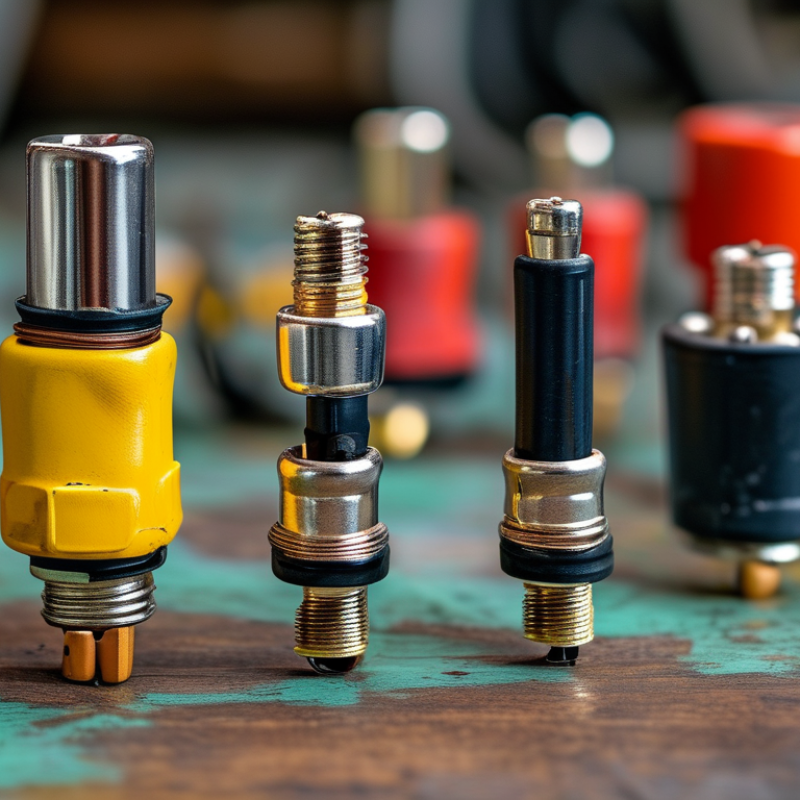
Wire connectors are crucial components in electrical systems. They create secure connections between wires, ensuring reliable power flow. Understanding the various types of wire connectors can help you choose the right one for your project.
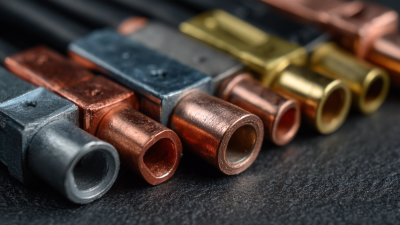
One common type is the crimp connector. This connector is used in automotive and electronic applications. It requires a special tool to crimp the connector onto the wire. Another type is the twist-on connector, often found in household wiring. It’s easy to use and provides a solid connection but may come loose over time if not installed correctly.
You may also encounter solder connectors, which provide a permanent connection. They require heat to melt solder, joining the wires together. While these are reliable, they can be time-consuming and may not be ideal for every situation. Lastly, plug connectors allow easy disconnection. They are versatile but can sometimes be less secure than other types. Reflect on the specific needs of your project and the pros and cons of each connector type.
How Wire Connectors Function Mechanically
Wire connectors are essential components in electrical systems. They join two or more wires together, ensuring a secure and conductive connection. Understanding how they function mechanically reveals their importance in various applications.
Wire connectors typically use metal inserts. These inserts grip the wire when pushed inside the connector body. The compression creates an electrical connection that allows current to flow. Many connectors have features like
locking mechanisms. These prevent accidental disconnections, ensuring safety in electrical setups.
The materials used also play a critical role. Commonly, connectors are made from
copper or
aluminum. Copper, being a great conductor, often ensures better performance. However, not all environments suit every connector type. Corrosion can occur in some cases, degrading the connection over time. Evaluating this risk is crucial for long-lasting installations.
Key Considerations When Choosing a Wire Connector
When choosing a wire connector, several key considerations come into play. First, you need to understand the connector's type. There are various designs, such as crimp connectors and twist-on connectors. Each type has its own advantages and applications. Selecting the right type can impact both reliability and safety.
Material is another critical factor. Wire connectors are often made from plastic or metal. Plastic connectors may offer corrosion resistance but can degrade under high temperatures. Metal connectors provide strong connections but may corrode over time if not properly insulated. It's vital to assess the environment where the connector will be used to ensure longevity.
You should also consider the gauge of the wire. Using a connector that matches the wire gauge prevents overheating and ensures efficient power transfer. Misjudging the gauge can lead to failures. Testing your connections is advisable for added reliability. Trustworthy connections are essential for safety and performance in electrical systems.
Safety Tips for Using Wire Connectors in Electrical Projects
When working on electrical projects, using wire connectors safely is essential. Always ensure that the power supply is turned off before starting any work. This simple step can prevent electrical shocks. Inspect wire connectors for any signs of damage or wear. If you notice cracks or fraying, replace them immediately. Faulty connectors can lead to short circuits, causing potential fire hazards.
It’s crucial to choose the right type of wire connector for your project. Different connectors serve various purposes, like splicing wires or joining multiple wires. Understanding the specifications of your wires is important. Use connectors that match the wire gauge and type. Remember, not all connectors are created equal. A connector that fits loosely can compromise your project’s safety.
After connecting wires, ensure all connections are secure. Tug gently on the connectors to confirm they are tight. It's easy to overlook this step, but loose connections lead to problems. Regularly check your work, even after completing a project. Revisiting these small details can save you from larger issues down the road. Always prioritize safety over convenience in your electrical tasks.
What is a Wire Connector and How Does it Work? - Safety Tips for Using Wire Connectors in Electrical Projects
| Connector Type |
Description |
Usage |
Safety Tips |
| Twist-on Connectors |
Used for joining two or more wires in electrical connections. |
Commonly used in household wiring. |
Ensure cables are twisted together tightly and capped securely. |
| Crimp Connectors |
Relies on a crimping tool to secure connections. |
Used in automotive and industrial applications. |
Use appropriate gauge connectors; check for a secure fit. |
| Wire Nuts |
Plastic caps that twist onto stripped wire ends. |
Ideal for various electrical connections. |
Check for loose connections; avoid mixing wire types. |
| Soldered Connections |
Joins wires by melting solder around them. |
Used for permanent connections in electronic devices. |
Ensure soldering is done in a well-ventilated area; avoid overheating. |
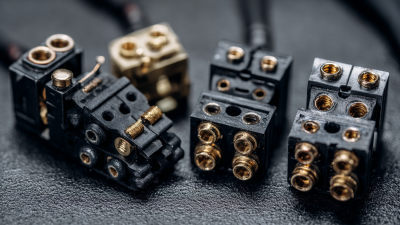
| Terminal Blocks |
Screw-type connectors for securing multiple wires. |
Widely used in electrical panels. |
Tighten screws appropriately to prevent loose connections. |