Why Are There Different Wire Connector Types for Your Projects?
When embarking on electrical projects, understanding the various wire connector types is crucial. Each project presents unique challenges, and the right connector can make or break the connection. Choosing the appropriate type affects the reliability and safety of the installation.
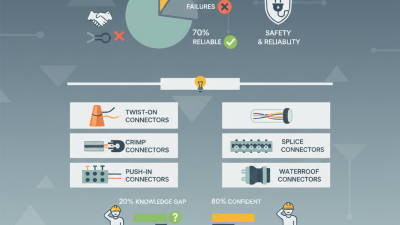
Wire connector types come in numerous forms, from screw-on connectors to crimp connectors. Each type serves specific purposes and situations. For instance, some connectors are better for high-temperature environments, while others are designed for quick disconnections. Examining the features of these connectors helps clarify their applications.
It's also important to recognize that not all connectors fit all cables. Compatibility issues can lead to unreliable connections that may cause failures. Learning about the different wire connector types can save time and reduce risks. Ultimately, your choice of connector should reflect the demands of the project and ensure secure and efficient connections.
Different Wire Connector Types Explained
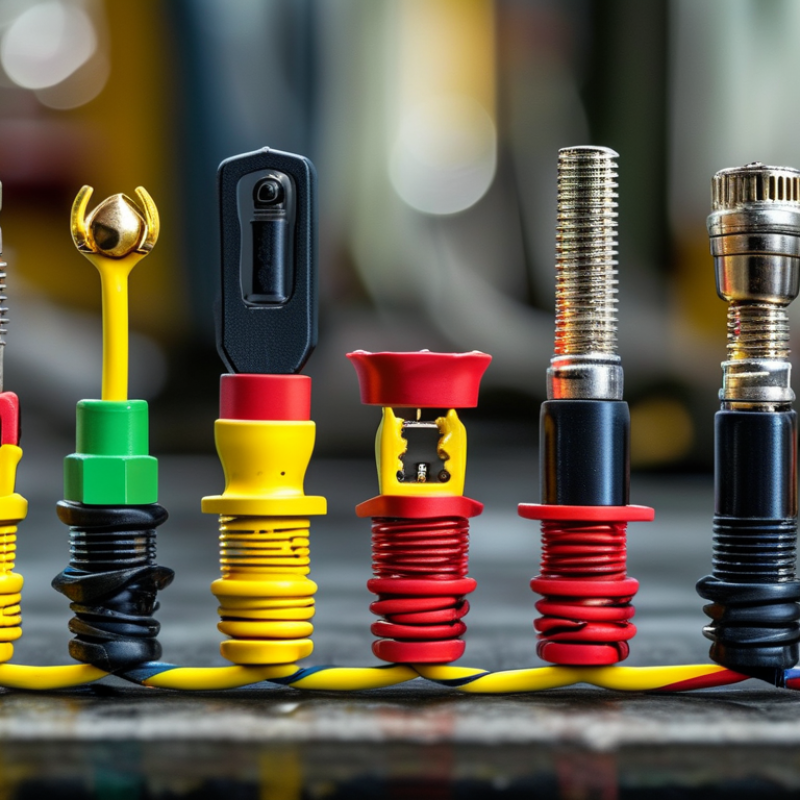
Wire connectors play a crucial role in any electrical project. They ensure proper connections between wires, preventing short circuits. Different types of connectors offer unique advantages, depending on the project requirements. Understanding these options is essential.
Screw terminal connectors are popular for their simplicity. You insert the wire and tighten a screw. This type works well for solid wires. However, they may not provide the best hold for stranded wires, leading to potential issues. On the other hand, crimp connectors offer a more reliable option for a secure fit. They require a crimping tool, which might be less accessible for beginners.
Push-fit connectors provide another alternative that is easy to use. You simply push the wire into the connector. This design allows for quick installations, but it might not be as durable as crimped connections. As projects vary, the choice of wire connector can affect overall performance. It’s essential to evaluate your project’s specific needs to make the best choice.
Wire Connector Types Usage in DIY Projects
The Importance of Choosing the Right Connector
Choosing the right wire connector is crucial for the success of any electrical project. Different connectors serve specific purposes and offer unique strengths. For instance, some connectors are designed for high-voltage applications, while others excel in low-voltage situations. Understanding these differences can save you time and resources in the long run.
When selecting a connector, consider the environment in which it will be used. Factors like humidity, temperature, and exposure to chemicals can affect performance. For indoor projects, standard connectors might suffice. In harsher environments, look for connectors with better insulation and sealing properties.
Wire gauge is another critical aspect. Using a connector that matches your wire gauge ensures a secure connection. Mismatched sizes can lead to overheating and electrical failures. If you're uncertain, it's better to consult guidelines or seek expert advice on wire specifications.
It's important to be aware of the connection methods too. Some connectors twist together, while others require crimping or soldering. Each method has its pros and cons. Review project specifics before committing to a technique.
Planning ahead can prevent many common issues. Check all specifications carefully before selecting connectors. This attention to detail can help ensure your project runs smoothly without unexpected setbacks.
Common Types of Wire Connectors and Their Uses
Wire connectors come in various types, each designed for specific applications. Understanding these differences is essential for effective project execution. One common type is the twist-on wire connector, often seen in home wiring. They securely join wires by twisting them together, forming a reliable connection. However, they can be challenging to work with if wires are not stripped correctly.
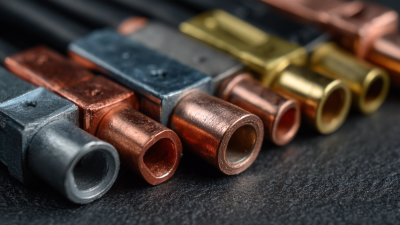
Another popular option is the crimp connector. These connectors require a crimping tool to attach them to wires. They provide a solid mechanical bond and work well in both automotive and electrical applications. Still, if not properly crimped, they can lead to weak connections, resulting in potential failures. Using a quality tool is key.
Lastly, there are terminal blocks, ideal for projects involving multiple wires. They allow easy connection and disconnection of wires. Their versatility makes them suitable for various setups. However, they require careful organization. In some cases, messy wiring can lead to confusion and connectivity issues. Each type of connector serves its purpose, but selection depends on specific project needs and conditions.
Factors Influencing Connector Selection for Projects
Choosing the right wire connector type for your projects is critical. Several factors influence this choice, such as the electrical load, the environment, and the wire gauge. Each project has specific needs. For example, a high-temperature environment might require connectors made from heat-resistant materials. In contrast, outdoor projects benefit from weatherproof designs.
The electrical load is also paramount. Connectors must handle the current without overheating. The gauge of the wire affects the connector selection too. Thinner wires require different connectors than thicker ones. Sometimes, experimenting with various types can lead to better outcomes. Understanding your project's unique demands is key to making informed decisions. Mistakes can occur if you're not diligent. Always factor in these elements to improve reliability and performance.
Safety Considerations with Various Wire Connector Types
When working with different wire connectors, safety should always come first. Each connector type has its unique features and benefits, but they also come with specific risks. For instance, screw-on connectors can secure wires firmly, but improper installation may lead to short circuits. Heat-shrink connectors offer a protective seal, yet they require heat tools that can potentially cause burns or damage nearby components.
Understanding these risks is critical for any project. Some connectors are better suited for high-voltage applications, while others excel in low-current scenarios. Using the wrong type can lead to overheating or even fires. It's essential to follow manufacturer guidelines and never exceed the rated capacity of the connector.
While many DIY enthusiasts rely on their instincts, safety should be a priority. Often, a quick installation can lead to long-term issues. Researching the correct connector type for each application is vital. Rushing can result in accidents that are easily avoided with proper knowledge and planning. Being mindful of the specific requirements and limitations of each type will enhance safety in your projects.
Why Are There Different Wire Connector Types for Your Projects? - Safety Considerations with Various Wire Connector Types
| Connector Type |
Description |
Safety Considerations |
Best Uses |
| Wire Nuts |
Twist-on connectors that hold wires together. |
Ensure tight connection to prevent short circuits. |
Lighting fixtures, home wiring. |
| Butt Connectors |
Metal connectors used to join two wires. |
Use heat shrink to protect from moisture. |
Automotive and appliance wiring. |
| Spade Connectors |
Flat connectors that easily attach to terminal points. |
Ensure proper fit to avoid loose connections. |
Electronics and automotive applications. |
| Ring Connectors |
Round connectors for secure terminal connections. |
Tighten to ensure conductivity without loosening. |
Electrical panels and battery connections. |
| Connector Blocks |
Multiple connection points for wire joining. |
Use insulation to prevent accidental contact. |
Complex wiring setups in appliances. |