What Is MC Cable and What Types Are Available?

What Is MC Cable and What Types Are Available?

MC cable is a factory-made electrical cable with insulated conductors protected by a metal armor. It is commonly used in commercial, industrial, and some residential installations. The armor may be interlocked or formed as a smooth, corrugated sheath. Inside, you may find copper conductors, an equipment grounding conductor, and insulation selected for the cable’s rating. Not every MC cable is built alike. Conductor count, metal type, jacket, and approved environment can all vary. A coil on a jobsite may look similar to another, yet its markings can specify different uses.

This guide explains what MC cable is and introduces common types, including standard constructions, jacketed versions, and healthcare facility cable. Some versions are designed for particular locations or installation conditions, so the product listing and manufacturer instructions matter. A cable suitable for a dry interior space may not be suitable for a wet or exposed location. Check the printed markings, fittings, and equipment compatibility before making a selection. Read the details. Installation requirements can also depend on the project and applicable electrical codes. The name itself can feel less clear than expected, especially when several cable types share similar armor. That is a good reason to compare specifications rather than rely on appearance alone.
What Is MC Cable and What Types Are Available?

What MC Cable Is and How It Is Constructed

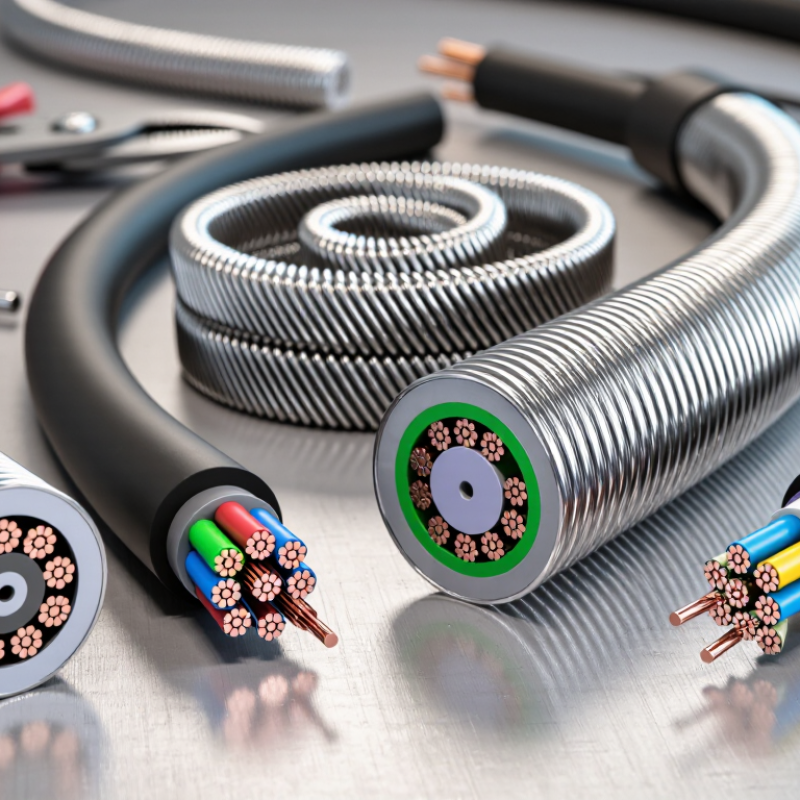
MC cable, or metal-clad cable, is an electrical cable protected by a flexible metal armor. Inside, insulated copper or aluminum conductors carry power. Many assemblies also include a separate equipment grounding conductor, though the exact construction varies by cable type. The armor is made from interlocked metal strips or a smooth metal sheath. It helps protect the conductors from impact and abrasion. It is not simply a metal tube around loose wires.

During manufacturing, conductors are insulated and grouped, then enclosed by the armor. Some cables include a bonding strip beneath the armor to support grounding continuity. Insulation materials, conductor count, and armor design depend on the cable’s intended use. That detail matters. A cable suited to one location may not be suitable for another. Check its markings and technical specifications rather than judging by appearance alone.

Tips: Before installation, confirm the cable’s rating, conductor size, and grounding arrangement. Keep the armor from being crushed or sharply bent. It can look sturdy, but damage may be easy to miss. When requirements are unclear, ask a qualified electrician to verify the selection.

How MC Cable Protects and Routes Electrical Conductors

Metal-clad (MC) cable routes insulated conductors inside a flexible metal armor. The armor helps guard against impact, abrasion, and accidental contact during installation. It can run through walls, ceilings, and exposed service areas where a protected cable path is useful. Not a force field. Sharp edges, crushed sections, and poorly fitted connectors can still damage the assembly.

The protection depends on the cable type and installation. Steel or aluminum armor, wet-location versions, and healthcare-facility cable are designed for different conditions. UL 1569 covers metal-clad cable construction and testing, while NEC Article 330 addresses its installation. NFPA’s 2022 report, based on 2015–2019 data, recorded about 32,000 annual U.S. home fires involving electrical distribution or lighting equipment; that figure does not show that MC cable would have prevented them. Still, it underscores why sound conductor routing and protection matter. At bends and box entries, installers need compatible fittings and adequate support, with no pinched armor or exposed conductor insulation. I would not assume every MC cable suits every damp or corrosive space; check its listing and installation instructions.

Common Types of MC Cable and Their Features

Metal-clad cable comes in several constructions, and the armor is only part of the difference. Common interlocked-armor MC cable has metal strips wrapped around insulated conductors. It is often used for branch circuits in commercial and industrial spaces. The flexible armor can bend around corners, though tight bends may damage conductors or make pulling difficult. Small detail, big consequences.

Some MC cable includes a grounding conductor within the assembly; other versions use different grounding arrangements. Isolated-ground types add a separate insulated grounding conductor for equipment that needs a dedicated grounding path. Healthcare facility cable, often marked HCF, is designed for particular patient-care applications. Always check the cable markings and project specifications rather than relying on appearance alone.

Jacketed MC cable adds an outer covering over the armor. That layer can provide extra protection in damp, corrosive, or outdoor settings, depending on the cable’s rating. MC-HL is a specialized type intended for certain hazardous locations and must match the application’s requirements. These categories can overlap, so quick comparisons get messy. A qualified electrician can verify conductor size, temperature rating, fittings, and installation conditions before selection.

Where Different MC Cable Types Are Used

Where Different MC Cable Types Are Used

Standard MC cable is common in commercial buildings, workshops, and equipment rooms. It can serve branch circuits and feeders, with conductors protected by a flexible metal armor. Its suitability depends on the cable’s listing and installation conditions. Some versions are approved for damp or wet locations; others are not. Read the jacket markings. They matter.

MC-HL cable is designed for certain hazardous classified locations, such as areas where flammable gases or dust may be present. It requires compatible fittings and installation practices. MC-PCS cable combines power conductors with control or signal conductors, making it useful for lighting systems and connected equipment. Other MC configurations may suit specific industrial needs. Don’t assume they are interchangeable. I’ve seen the armor look nearly identical, which can make selection easy to rush; the printed ratings tell a more useful story.

Tips: Match the cable type to the environment, load, and equipment instructions. Check the markings. If the location classification or wet-rating requirements are unclear, consult a qualified electrician and applicable code.

MC Cable Types and Typical Conductor Groups

A comparison of the conductor roles commonly found in selected metal-clad cable constructions.

Values show typical conductor-role groups, not the number of individual conductors. Standard MC is commonly used for power and lighting circuits; MC-IG adds an isolated grounding conductor; MC-PCS combines power with control and signal conductors; and MC-HL is designed for use in designated hazardous locations. Actual cable construction varies by application and specification.

Key Factors for Choosing an MC Cable Type

Choosing an MC cable type starts with the location and load. A dry office, a damp service area, and a space exposed to oils may require different cable constructions. Check the cable’s listing and markings for approved environments. The wrong jacket or armor can fail long before the conductors do. Details matter.

Next, match conductor size and material to the expected current, circuit length, and installation conditions. Heat buildup is easy to overlook when several cables share a crowded tray. Consider whether the design needs an insulated grounding conductor, and confirm compatibility with the connectors and boxes being used. A fitting that grips the armor poorly can loosen over time. Not always obvious. Also check bend radius and routing space; tight turns can damage insulation or make installation difficult. Local electrical requirements and equipment instructions affect the final choice, so verify them with a qualified electrician. There is no universal “best” MC cable. Sometimes the site conditions are less clear than the drawings suggest, and that deserves a closer look before cable is ordered.

What Is MC Cable and What Types Are Available? - Key Factors for Choosing an MC Cable Type

MC Cable Type or Configuration Typical Construction Common Applications Key Factors to Check
Standard Type MC Insulated conductors enclosed in an interlocked metal armor or a listed continuous metal sheath. A separate equipment grounding conductor may be included. Branch circuits, feeders, and other wiring in commercial, industrial, and some residential installations where the cable is permitted. Verify the cable’s listing, conductor size, voltage rating, permitted location, support requirements, and grounding method. Not every Type MC cable is suitable for wet locations or direct exposure to corrosive conditions.
MC with an Outer Jacket Metal-clad cable with an additional polymer jacket over the armor. Installations where added protection from moisture, chemicals, abrasion, or other environmental exposure is needed, when the cable is specifically listed for that use. Check the jacket material and the cable marking for the exact environmental rating. An outer jacket alone does not establish suitability for wet, outdoor, sunlight-exposed, or corrosive locations.
MC-HL Type MC cable listed for use in specified hazardous (classified) locations; construction and sealing details depend on the cable design and listing. Certain hazardous locations, such as qualifying areas with flammable gases or vapors, when allowed by the applicable electrical code and installation conditions. Confirm the hazardous-location classification, group, temperature requirements, cable listing, fittings, and installation method. MC-HL is not a general-purpose substitute for ordinary MC cable.
Interlocked-Armor MC Metal armor formed from interlocking strips around the insulated conductors. Common building and industrial wiring applications where a flexible, mechanically protected cable assembly is appropriate. Consider installation flexibility, routing, physical protection, bending limitations, and the manufacturer’s requirements for connectors and supports.
Continuous-Sheath MC Insulated conductors surrounded by a continuous corrugated or smooth metal sheath, depending on the listed construction. Selected installations requiring the characteristics of a continuous metal enclosure, as permitted by the cable’s listing and applicable code. Check the cable’s specific listing and permitted uses, as well as minimum bending radius, fittings, support method, and compatibility with the installation environment.
MC with Multiple Conductors A Type MC assembly containing multiple insulated circuit conductors, sometimes with one or more equipment grounding conductors. Feeders, multi-circuit runs, and other installations where several conductors can be routed together in one cable assembly. Confirm conductor count and size, ampacity adjustment requirements, neutral configuration, grounding provisions, and whether the cable dimensions suit the route and terminations.

Selection reminder: MC cable is a family of listed cable assemblies, not a single construction. Before choosing a type, match the cable markings and listing to the location, voltage, load, environmental exposure, grounding method, fittings, and applicable electrical code. Consult a qualified electrical professional for project-specific requirements.