China Top Wire Cable Manufacturers How to Choose?
Choosing among China’s top wire cable manufacturers requires more than comparing prices. The right supplier must prove technical capability, stable production, and dependable quality control. A polished website is not enough. Ask for factory records, product test reports, and clear material specifications.
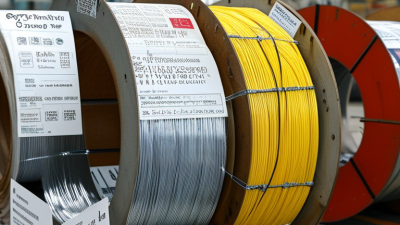
Lord Kelvin, a pioneer in electrical engineering, said, “When you can measure what you are speaking about, and express it in numbers, you know something about it.” His principle still fits wire cable purchasing today. Check conductor resistance, insulation thickness, tensile strength, temperature ratings, and voltage performance. Request samples before placing a large order. Examine the copper surface, jacket consistency, printing accuracy, and drum packaging. Small details often reveal larger production habits.
Experience also matters. A reliable manufacturer should explain its copper sourcing, extrusion process, aging tests, and batch traceability without hesitation. It should understand your installation environment, including heat, moisture, vibration, bending, or outdoor exposure. Certifications can help, but they should match the product and destination market. Do not treat every certificate as proof of quality.
No checklist is perfect. I have seen attractive samples hide weak documentation and inconsistent batches. That possibility deserves attention. Compare at least three manufacturers, contact recent customers, and clarify replacement procedures in writing. The strongest choice is rarely the cheapest offer. It is the supplier that combines measurable performance, honest communication, production experience, and consistent delivery. This guide explains how to evaluate China-based wire cable manufacturers with practical questions and evidence-based judgment.
What Defines a Top Wire and Cable Manufacturer in China?
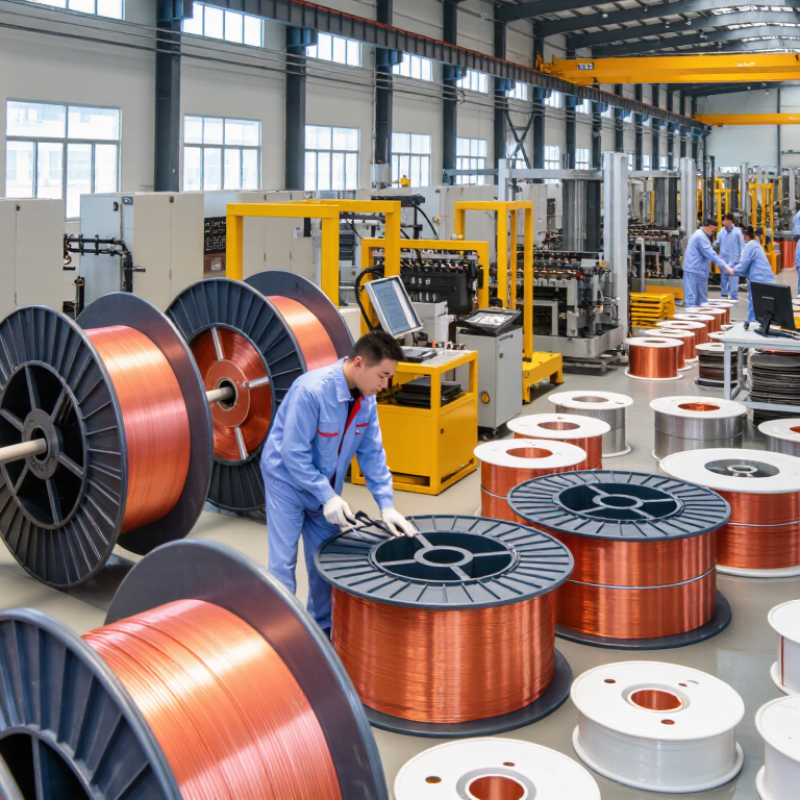
A top wire and cable manufacturer in China is defined by more than factory size or export volume. In practical sourcing, consistent quality matters most. A reliable producer should control copper purity, insulation compounds, conductor stranding, and finished-drum testing. Ask for traceable batch records, calibration certificates, and test reports matching the cable specification. These details show professional discipline, not polished sales language. Experience also appears in technical questions. Strong engineers ask about voltage, installation temperature, bending radius, fire performance, and operating conditions before quoting. Generic answers deserve caution.
Visit the production process when possible. Look for clean extrusion lines, labeled materials, controlled storage, and inspectors using documented procedures. A serious manufacturer should explain nonconforming cable, corrective actions, and delivery risks. Independent laboratory verification can strengthen confidence for major projects. Still, no supplier is perfect. Impressive samples can hide weak documentation or inconsistent diameter control. A small pilot order may reveal more than a long presentation. Check conductor resistance, insulation thickness, marking clarity, drum protection, and packing condition after delivery.
Tips: Compare technical evidence, not only price. Request samples, factory audits, and recent test records. Confirm capacity with a realistic schedule. Keep written specifications attached to the purchase agreement. Ask who approves production changes. If communication becomes vague, pause. A top manufacturer communicates limits honestly and accepts reasonable scrutiny. That reliability may matter more than a low initial quotation.
How to Identify Your Wire and Cable Requirements
Choosing a cable starts with the load, not the supplier. Define voltage, current, frequency, route length, installation method, and ambient temperature. The IEA Electricity 2024 report projects global electricity demand to grow by an average 3.4% annually from 2024 to 2026. That pressure makes future capacity worth checking. A cable sized only for today may become restrictive. Measure the real load. Do not trust assumptions.
For conductor selection, confirm copper or aluminium, insulation temperature, flexibility, and fire performance. IEC 60228 classifies conductor construction and resistance, helping buyers compare technical offers consistently. Calculate voltage drop across the full route, including bends and terminations. Then check short-circuit withstand, moisture, oil, sunlight, and movement. The U.S. Department of Energy reports that motor systems can consume about 70% of industrial electricity in manufacturing. Starting current matters. This is often missed.
Tips: Request a datasheet, test certificate, and clear reel marking. Check conductor area, resistance, insulation material, and operating temperature. Match these values with the applicable national code. Leave realistic space for expansion, but avoid excessive oversizing. It increases cost and may complicate termination. Record route length with photos. Recheck calculations when conditions change. Cable selection is not only a catalog decision; it is a risk decision.
China Top Wire Cable Manufacturers: How to Choose?
Identify your cable requirements by checking the insulation system’s typical maximum continuous conductor temperature.
PVC-insulated cables are commonly rated at 70°C, while XLPE and EPR cables are commonly rated at 90°C.
Fluoropolymer insulation can support higher temperatures, but the actual rating depends on the cable design,
voltage level, installation method, current load, ambient temperature, and applicable IEC or local standards.
Always confirm the manufacturer’s technical datasheet before selecting a cable.
How to Compare Manufacturers, Products, and Production Capabilities
Choosing among China’s top wire and cable manufacturers requires more than comparing catalog prices. Compare three evidence sets: product compliance, production capability, and delivery performance. The IEA’s Electricity Grids and Secure Energy Transitions report says annual grid investment must exceed USD 600 billion by 2030. That pressure makes capacity relevant, but capacity alone proves little. Ask for audited output, line utilization, material traceability, and recent delivery records. Check whether the quoted plant extrudes, strands, insulates, and tests cable onsite.
For products, match construction to service conditions. Compare conductor class, insulation compound, voltage rating, bending radius, temperature range, and flame performance. Request type-test reports, routine-test records, and calibration dates. IEC 60228 defines conductor classes, while IEC 60502-1 covers many power cables. A credible supplier should explain test limits plainly, not hide behind certificates. Compare identical specifications, not similar-looking reels. That mistake is common.
Production capability needs a site-level review. Check extrusion control, spark testing, aging tests, batch identification, and nonconformance handling. Ask for monthly capacity by cable type, not one impressive annual figure. The 2024 Global Energy Monitor transmission report tracks thousands of grid projects, showing why dependable scheduling matters. Public reports cannot verify every factory claim. Use independent inspection, sample approval, and written corrective actions. Responsiveness also deserves a score. A delayed technical answer may predict trouble later. No spreadsheet is perfect. Leave room for risk.
How to Verify Quality Standards, Certifications, and Compliance
Choosing among China’s top wire and cable manufacturers requires more than comparing prices.
Verify the exact product standard first. IEC 60228 defines conductor classes and resistance requirements, while IEC 60502-1 covers many low-voltage and medium-voltage power cables. A supplier’s certificate should name the factory, cable type, voltage rating, and testing scope.
ISO Survey 2022 recorded more than 1.26 million ISO 9001 certificates worldwide. This shows quality management is widespread, but certification alone cannot prove every production batch. Request the certificate number, issuing body, expiry date, and official verification link. Check whether ISO 14001 supports the manufacturer’s environmental controls. For markets requiring additional approval, confirm applicable national marks and conformity documents. Test reports should include conductor resistance, insulation thickness, tensile strength, and flame performance.
Tips:
Ask for three recent batch reports. Match serial numbers with packaging labels. Request independent testing for critical orders. Visit the factory, if practical, and inspect calibration records, copper traceability, and storage conditions. A clean showroom means little without production evidence. One detail is often missed: certificates may cover only one facility, not every factory under the same trading group. Written clarification matters. I would also allow time for retesting, because supplier documents can be complete yet still contain unclear translations or outdated references.
How to Evaluate Pricing, Service, Delivery, and Partnership Value
Choosing China’s top wire cable manufacturers requires more than comparing quotations. Price alone misleads. Request a detailed breakdown covering copper or aluminum grade, insulation material, testing, packaging, and tooling. I once accepted a lower quote that excluded several inspection costs. The final budget changed quickly. Reliable manufacturers explain pricing clearly and identify possible adjustments before production.
Service quality appears in small details. Ask whether an engineer can review your voltage, temperature, bending, and installation conditions. Check sample reports, factory experience, quality procedures, and relevant certifications. Communication should remain accurate after payment, not only during negotiation.
Delivery also deserves evidence. Confirm production capacity, lead times, shipping documents, and contingency plans for material shortages. A written schedule is useful, but it is never a guarantee.
Tips: Compare at least three complete quotations, not three headline prices. Request a sample with marked dimensions and conductor details. Clarify inspection points before mass production. Test response time by sending practical questions. If answers stay vague, pause. Partnership value includes technical support, stable quality, honest updates, and reasonable flexibility. Do not ignore small warning signs. A factory may look professional online, yet its follow-up can feel slow or inconsistent. That is worth discussing before signing an agreement.