

What Are the Best Wire Connector Types from China?
Choosing the right wire connector can affect safety, installation speed, maintenance, and long-term reliability. China offers a broad manufacturing base, from simple screw terminals to sealed automotive connectors. However, product quality varies widely between factories and product lines. A low price alone proves very little.
This guide examines the most practical wire connector types available from China. It covers terminal blocks, crimp connectors, wire nuts, lever connectors, push-in terminals, waterproof connectors, and heat-shrink options. Each type serves a different purpose. Some suit fixed control panels, while others perform better in vibrating machinery or outdoor equipment. The details matter.
Reliable sourcing requires more than reviewing online photographs. Buyers should check conductor materials, contact plating, insulation ratings, wire ranges, temperature limits, and certification documents. Sample testing can include crimp strength, pull-out resistance, insulation performance, and water-ingress testing. Factory audits and traceable quality records add further confidence. Still, no checklist removes every risk. A connector may pass a sample test yet perform poorly during mass production. That possibility deserves attention.
We will compare performance, installation methods, cost, and typical applications across leading wire connector types. Practical examples will show where each design fits best. A small lever connector may simplify residential repairs, while a sealed crimp connector may better protect an engine-bay harness. The goal is not to promote one supplier or connector style. It is to help readers make evidence-based decisions, ask sharper questions, and select products that match real operating conditions.
Wire Connector Types Commonly Manufactured in China
What Are the Best Wire Connector Types from China?
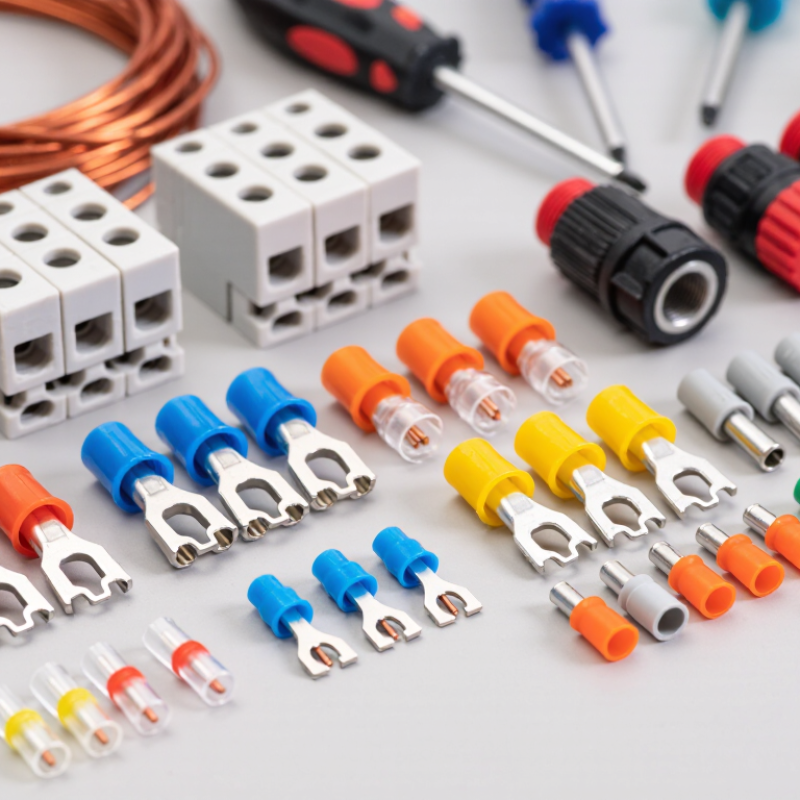
Wire connectors commonly manufactured in China include screw terminal blocks, spring-clamp terminals, crimp connectors, waterproof automotive plugs, and wire-to-board headers. China’s factories also produce IDC connectors and quick-disconnect terminals for appliances, lighting, control panels, and vehicles. The 2024 Mordor Intelligence report identifies Asia-Pacific as the largest regional connector market, supported by electronics and automotive production. That demand explains the broad supplier base, but not every factory offers equal process control.
For fixed equipment, screw terminals remain practical. Spring terminals save assembly time and resist loosening under moderate vibration. Crimp connectors usually provide better repeatability when tooling and pull-force testing are controlled. In damp locations, sealed connectors need verified IP performance, not just a rubber gasket. I would request samples, copper-alloy details, plating thickness, temperature ratings, and batch traceability. Small omissions matter.
The IEC 60998 series covers connecting devices for low-voltage household and similar installations, while IPC/WHMA-A-620 defines cable and harness workmanship expectations. These references help buyers compare Chinese-made parts objectively. The S&P Global Mobility 2024 outlook also shows continued growth in vehicle electrification, increasing demand for compact, vibration-resistant terminals. Still, a catalog description can sound better than the production line. Inspect crimp height, conductor retention, insulation damage, and mating cycles. Some suppliers may pass a visual check yet fail after heat aging. That is the uncomfortable part.
What Are the Best Wire Connector Types from China? - Wire Connector Types Commonly Manufactured in China
| Connector Type | Typical Construction | Common Wire Range | Insulation / Temperature | Typical Applications | Main Advantages | Important Limitations | Common Reference Standards |
|---|---|---|---|---|---|---|---|
| Butt Splice Connectors | Tin-plated copper or aluminum barrel, usually with PVC, nylon, polyolefin, or heat-shrink insulation. | Approximately 0.5–6.0 mm²; about 20–10 AWG, depending on the model. | Common insulated versions are rated around 75–105°C; heat-shrink versions may offer environmental sealing. | Wire extensions, harness repairs, automotive wiring, appliances, and control panels. | Compact, easy to crimp, and suitable for permanent in-line wire joining. | Requires the correct crimping tool and compatible wire size; not normally intended for repeated disconnection. | UL 486A-486B, IEC 61210, and applicable product-specific requirements. |
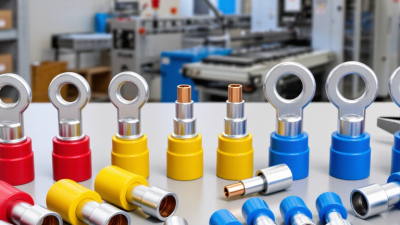
| Ring Terminals | Stamped or tubular copper terminal with a closed ring and crimp barrel; often tin plated and insulated. | Approximately 0.5–6.0 mm²; about 20–10 AWG, with larger sizes also available. | PVC or nylon insulation is common; temperature ratings often range from 75°C to 105°C. | Grounding points, battery cables, power distribution, control cabinets, and industrial equipment. | The closed ring remains secured if the fastener loosens slightly; provides reliable mechanical retention. | The fastener must be removed to install or remove the terminal; hole size must match the stud. | UL 486A-486B and IEC 61210 where applicable. |
| Fork / Spade Terminals | Crimp terminal with an open fork or U-shaped tongue, normally made from plated copper or copper alloy. | Approximately 0.5–6.0 mm²; about 20–10 AWG. | PVC and nylon insulation are common; typical ratings are approximately 75–105°C. | Switches, relays, terminal strips, appliances, automotive systems, and control wiring. | Can often be installed without completely removing the screw, making maintenance faster than ring terminals. | Generally provides less retention than a closed ring terminal and requires correct screw tightening. | UL 486A-486B and IEC 61210 where applicable. |
| Bullet Connectors | Mating male and female cylindrical contacts, commonly produced from brass or copper alloy with plated surfaces. | Approximately 0.5–6.0 mm²; about 20–10 AWG, depending on contact diameter. | Often supplied with PVC or nylon sleeves; temperature rating depends on contact and housing materials. | Motorcycles, automotive harnesses, lighting assemblies, battery leads, and removable wiring. | Quick connection and disconnection with a relatively compact cylindrical profile. | Mating force, contact size, and insulation protection must be selected carefully for vibration and current requirements. | Product-specific electrical, mechanical, and flammability requirements; automotive versions may follow applicable vehicle connector specifications. |
| Quick-Disconnect Terminals | Male tab and female receptacle, usually made from stamped tin-plated copper alloy with insulated or uninsulated barrels. | Approximately 0.5–6.0 mm²; about 20–10 AWG; common tab widths include 2.8, 4.8, and 6.3 mm. | PVC, nylon, or heat-resistant insulation; rating varies with the housing and terminal series. | Appliances, automotive components, relays, switches, heating equipment, and control panels. | Fast assembly, standardized tab geometry, and convenient field servicing. | Terminal width and mating force must match; exposed versions need protection from moisture and accidental contact. | UL 486A-486B and applicable terminal series specifications. |
| Screw Terminal Blocks | Insulated thermoplastic or thermoset housing with a screw clamp and metal current bar or cage clamp. | Common ranges include 0.2–4.0 mm² and 0.5–10.0 mm²; larger industrial sizes are available. | Often rated approximately −40°C to 85°C or 105°C, depending on housing material and certification. | Industrial control cabinets, power distribution, instrumentation, HVAC equipment, and automation systems. | Clear wire organization, modular mounting, and convenient inspection or rewiring. | Requires appropriate tightening torque; vibration may require a locking design or periodic inspection. | IEC 60947-7-1, IEC 60999, UL 1059, and applicable national requirements. |
| Spring-Cage / Push-In Terminal Blocks | Insulated housing with a spring clamp or push-in contact that maintains pressure on the conductor. | Common ranges include 0.2–2.5 mm² and 0.5–6.0 mm², depending on the design. | Typical operating ranges are approximately −40°C to 85°C or 105°C. | High-vibration control systems, automation panels, lighting, building equipment, and rail or industrial wiring. | Fast installation, consistent contact pressure, and reduced dependence on screw-tightening torque. | Conductor preparation and compatible wire types must follow the product specification; some designs require ferrules for stranded wire. | IEC 60947-7-1, IEC 60999, UL 1059, and applicable product certifications. |
| Lever Wire Connectors | Insulated body with a lever-operated spring clamp for joining solid, stranded, or flexible conductors. | Common versions accept approximately 0.2–4.0 mm²; exact ranges depend on the pole and conductor design. | Many models are designed for indoor wiring with operating temperatures commonly around 85°C. | Lighting, building wiring, temporary connections, junction boxes, and equipment maintenance. | Tool-free installation, visual inspection, and easy disconnection or reuse. | Must be installed inside an appropriate enclosure where required; unsuitable models should not be used for high-current or outdoor applications. | IEC 60998, IEC 60999, UL 486C, and applicable local wiring regulations. |
| Wire Nuts / Twist-On Connectors | Spring insert enclosed in a tapered insulating shell, normally made from thermoplastic material. | Commonly used for combinations of approximately 0.5–6.0 mm² conductors, depending on the connector size. | Temperature ratings vary; many general-purpose types are rated around 105°C. | Residential and commercial junction boxes, lighting circuits, control wiring, and low-voltage installations. | Low cost, simple installation, and no crimping tool required. | Requires compatible conductor combinations and correct twisting; not suitable where local codes prohibit the design. | UL 486C and applicable electrical installation regulations. |
| Waterproof Heat-Shrink Connectors | Crimp barrel enclosed by adhesive-lined polyolefin heat-shrink tubing, often with tinned copper contacts. | Approximately 0.5–6.0 mm²; about 20–10 AWG, with product-specific size ranges. | Polyolefin shrink tubing commonly supports approximately 105°C; sealing performance depends on correct heating. | Marine wiring, outdoor lighting, automotive harnesses, agricultural equipment, and exposed cable repairs. | Provides strain relief and improved resistance to moisture, vibration, and corrosion when correctly installed. | Requires a suitable crimping tool and controlled heat; sealing performance varies by adhesive and tubing design. | UL 486A-486B where applicable; environmental protection may be evaluated using relevant IP or product-specific tests. |
Note: Wire size, current rating, voltage rating, temperature rating, material, and certification vary by exact connector design. Always verify the manufacturer’s technical datasheet and the electrical code applicable to the installation.
Related Posts
-
What Are the Top 10 Wire Connector Types for Global Buyers?
-
Why Use a Wire Connector for Electrical Connections?
-
How to Find China Top Electrical Wire Connectors Suppliers?
-
Why Are There Different Wire Connector Types for Your Projects?
-
2026 Top Electrical Wire Connectors for Every Project Need?
-
Ultimate Guide to Wire Connector Types You Need to Know?