How to Choose the Right SWA Cable in 2026

How to Choose the Right SWA Cable in 2026

Choosing the right swa cable in 2026 is not a matter of picking the thickest option or the lowest price. It starts with the installation. A cable running beneath a factory floor faces different demands from one exposed to weather, vibration, or mechanical impact. The wrong choice can mean difficult termination, unnecessary cost, or a cable that does not suit its surroundings.

This guide examines the details that matter: conductor size, core count, insulation, armour, sheath material, and installation conditions. It also explains how to check the load, route length, ambient temperature, and required protection before comparing products. Small details matter. For example, a tight bend near a gland can complicate termination, even when the cable itself appears suitable. Manufacturer data and advice from a qualified electrical professional should guide the final selection.

One limitation matters here: no source was provided for a named SWA cable expert or a verifiable quotation. Rather than invent one, this guide uses a practical selection principle: “Match the cable to the installation, then verify the details against reliable technical data.” That may sound obvious. It is still easy to overlook when product descriptions seem similar. A careful choice takes time, and sometimes the first assumption needs revisiting.
How to Choose the Right SWA Cable in 2026

Understanding SWA Cable Construction and Typical Applications

How to Choose the Right SWA Cable in 2026

Understanding SWA Cable Construction and Typical Applications

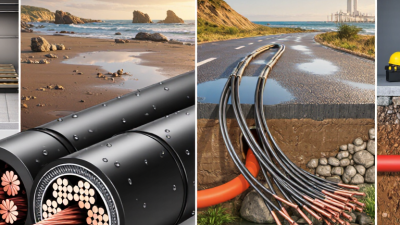
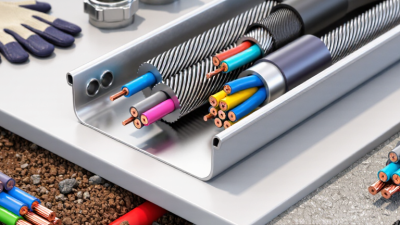
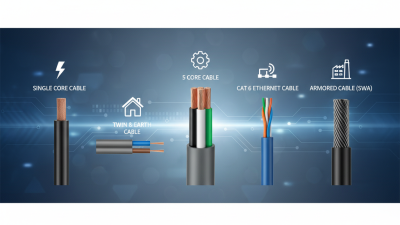
SWA cable combines insulated conductors, a bed for the armor, galvanized steel wires, and an outer sheath. Copper or aluminum conductors carry current; insulation separates conductors and helps control electrical stress. The steel armor adds mechanical protection where cables may face knocks, pressure, or outdoor installation. That detail matters. IEC 60502-1 covers power cables rated 0.6/1 kV and 1.8/3 kV, including construction and test requirements. A cable’s rating still depends on its exact design, not the armor alone.

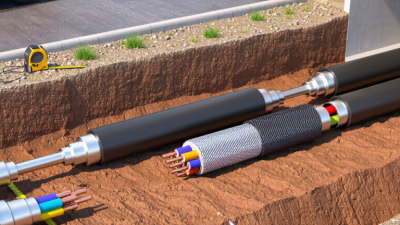
Installers commonly use SWA for buried supplies, outdoor runs, workshops, and fixed power connections. Picture a cable entering a building through a damp service trench: the sheath, glands, and termination method matter as much as the steel wires. Check voltage, conductor size, current capacity, installation temperature, and whether the chosen cable suits the site’s moisture and chemical exposure. Avoid assuming every SWA cable is suitable for direct burial; confirm the manufacturer’s technical data and local installation requirements.

The IEA’s Electricity 2025 report says global electricity demand grew by about 4.3% in 2024, highlighting pressure on power infrastructure, though it does not specify SWA cable demand. For a real selection, use the circuit design and installation conditions, not demand trends. One detail is easy to miss: armor continuity and correct glands affect protective earthing. I would verify that point before ordering.

Assessing Electrical Load, Voltage, and Installation Conditions

How to Choose the Right SWA Cable in 2026

Assess the expected load before selecting a cable size. Use the equipment’s rated current, then consider how long it may run near full capacity. A motor starting under load can draw more current than its normal running figure. Small details matter. Check voltage drop across the cable run, especially for long routes or sensitive equipment. A cable that carries the current safely may still deliver too little voltage at the far end.

Match the cable’s voltage rating to the supply, and verify that its insulation suits the circuit and surroundings. Installation conditions can change its capacity. A cable buried in warm soil, grouped tightly with others, or routed through insulation may shed heat poorly. Measure the route, note nearby cables, and identify exposure to moisture, impact, or chemicals. Armor offers mechanical protection, but it does not remove the need for correct glands, earthing, and bonding. These details are easy to overlook on a drawing.

A tidy calculation can still be wrong if site conditions differ from the plan. Check the final route and installation method before confirming the cable size. Protective devices, fault conditions, and local requirements also need assessment by a qualified electrical professional. Leave room for future load only when the design supports it; oversizing by guesswork is not a substitute for proper checks.

How to Choose the Right SWA Cable in 2026 - Assessing Electrical Load, Voltage, and Installation Conditions
Selection factor Example or reference value What to check when choosing SWA cable
Nominal cable voltage Many fixed-installation SWA cables are rated 0.6/1 kV. Confirm that the cable’s voltage rating is suitable for the system voltage and the applicable local wiring rules. A cable voltage rating does not, by itself, establish its current-carrying capacity.
Single-phase supply Typical nominal supply: 230 V. For a mainly resistive load, estimate current as I = P ÷ V. For example, 3 kW at 230 V is about 13 A. For motors and other non-resistive loads, include power factor, efficiency, starting current, and manufacturer requirements.
Three-phase supply Typical nominal line-to-line supply: 400 V. For a balanced three-phase load, estimate current as I = P ÷ (√3 × V × power factor × efficiency). Use the equipment’s stated input current where available.
Worked three-phase example 15 kW load at 400 V, power factor 0.90, efficiency 0.90: approximately 27 A. This is a load-current estimate, not a final cable rating. Check the cable’s corrected current capacity, voltage drop, protective-device coordination, and installation conditions before selecting a conductor size.
Conductor material Copper and aluminium conductors are both used in power-cable installations. Compare conductivity, conductor size, termination compatibility, mechanical requirements, and applicable standards. Aluminium generally requires a larger conductor size than copper for comparable electrical performance.
Conductor cross-sectional area Common sizes include 1.5, 2.5, 4, 6, 10, 16, 25, and 35 mm². Choose a size by calculation rather than load alone. Apply relevant correction factors for ambient temperature, grouping, thermal insulation, burial conditions, and the cable’s installation method.
Number of cores Common arrangements include 2-core, 3-core, 4-core, and 5-core. Match the core arrangement to the supply and earthing design. A three-phase circuit may require a neutral; a single-phase circuit generally requires line and neutral conductors. Confirm whether the armour is permitted to serve any protective function under local rules.
Voltage drop Depends on conductor material and size, circuit length, load current, and power factor. Calculate voltage drop for the full circuit length and check it against the limit in the applicable wiring standard. Long runs may require a larger conductor even when current capacity is adequate.
Buried installation Direct burial or installation in a buried duct. Check soil thermal conditions, burial depth, external mechanical risks, water exposure, and local requirements for ducts, warning tape, and protection. Use suitable glands and sealing arrangements at entries.
Outdoor or exposed installation Exposed to sunlight, weather, or possible impact. Verify the cable’s environmental suitability and provide appropriate support and protection. SWA is mechanically robust, but correct routing, clamping, and termination are still necessary.
Armour and termination Steel wire armour provides mechanical protection. Select compatible glands and accessories for the cable construction and enclosure. Ensure the armour is correctly terminated and bonded as required by the earthing design and local regulations.
Protective device Fuse or circuit-breaker rating and characteristics depend on the circuit. Coordinate the protective device with the cable’s corrected current capacity, expected fault current, disconnection time, and equipment requirements.

Design note: The figures above are general reference examples, not a cable-sizing specification. Final selection should be verified by a qualified electrical designer using the applicable standards, actual installation data, and the cable manufacturer’s technical information.

Selecting Conductor Material, Core Count, and Cable Size

Choosing the right SWA cable starts with the conductor material. Copper carries current efficiently and is often easier to terminate in compact enclosures. Aluminum can reduce cable weight and material cost, but its larger conductor size and termination requirements need careful checking. Match the choice to the equipment terminals and installation conditions.

Core count depends on the supply and earthing arrangement. A three-phase load may need three phase cores, with a neutral where the equipment requires one. Single-phase circuits commonly use line and neutral cores. The steel armor may form part of an earthing arrangement only when the design and local rules permit it. Check the bonding details; assumptions here can be risky.

Cable size is not chosen by current rating alone. Consider circuit length, voltage drop, fault conditions, installation method, ambient temperature, and nearby grouped cables. A cable clipped in open air may shed heat differently from one buried in a duct. Small details matter. Compare the calculated size with the equipment terminals and protective device, then verify the result against applicable standards. A neat estimate is not enough. Real routes often include bends, joints, and hotter sections that a drawing may miss.

Matching Armour and Sheath to Environmental Risks

Steel wire armour helps resist impact and crushing, but it is not a waterproof outer jacket. The sheath faces the weather, soil, oils, and handling damage. In wet trenches, check the cable’s water-resistance specification and sealing at glands and joints. In coastal or chemically contaminated ground, confirm that both sheath and armour materials suit the exposure. I still pause here. “Outdoor-rated” alone says little about a cable’s exact chemical or UV resistance.

Temperature figures need careful interpretation. IEC 60502-1 specifies maximum normal operating conductor temperatures of 70°C for PVC-insulated cables and 90°C for XLPE-insulated cables. These are conductor limits, not ambient-temperature ratings for the sheath. A hot roof void or tightly packed tray can therefore require a separate thermal assessment. Ask for the cable’s stated installation conditions, rather than choosing by insulation type alone.

Where fire performance matters, IEC 60332-1-2 uses a 1 kW flame test on a single vertical cable to assess flame spread. That result does not show how a complete installation will behave, or whether a circuit will keep operating during a fire. Match the test evidence to the actual risk. A sheath that performs well in one test may still be unsuitable for sunlight, oil, or abrasive soil. Check the relevant datasheet and installation details before specifying it.

Typical Continuous Conductor Temperature Ratings

A useful starting point when selecting an SWA cable: insulation type affects the cable’s allowable operating temperature, while armour and outer sheath should be selected for the installation environment.

Typical ratings for cables covered by IEC 60502-1 are 70°C for PVC-insulated conductors and 90°C for XLPE- or EPR-insulated conductors. These are insulation ratings, not sheath temperature ratings; confirm the specific cable datasheet and assess corrosion, UV exposure, chemicals, moisture, and fire requirements before choosing the armour and sheath.

Checking Standards, Safety Requirements, and Product Documentation

How to Choose the Right SWA Cable in 2026

Start with the installation, not the cable price. Check the supply voltage, load, route length, and whether the cable will run underground, outdoors, or through a building. These details affect conductor size, insulation, and protection requirements. A cable that looks suitable on a reel may not fit the actual route. Measure carefully.

Check the project specification and the standards accepted in your region. It may reference a national standard or an IEC standard, such as IEC 60502-1, where applicable. Confirm the required voltage rating, conductor material, insulation type, and temperature limits. Also check local safety requirements for earthing, cable glands, fire performance, and installation methods. Ask a qualified electrical professional to review selections when the design or conditions are unclear. Small details matter.

Read the product documentation before ordering. A clear datasheet should identify the cable construction, size, ratings, applicable standards, and intended use. Look for traceable test reports or certificates, and make sure the cable markings match the documents. Check that the gland suits the cable’s diameter and armour construction. Paperwork can look complete and still leave a gap; I would verify the details rather than assume.