Top 10 Types of 2 Core Cable for Buyers
A 2 core cable may look like a simple pair of conductors beneath an outer sheath. Its performance, however, depends on what lies between those conductors and the working environment around them. Buyers may encounter flexible cords, control cables, armoured power cables, solar cables, and other constructions. Each serves a different purpose. Choosing by appearance alone is risky.
Demand for reliable electrical infrastructure is growing. The International Energy Agency’s Electricity 2024 report projected global electricity consumption would grow by about 3.4% annually from 2024 to 2026. Its Renewables 2024 report projected nearly 5,500 GW of new renewable power capacity by 2030. These figures describe broader infrastructure trends, not direct cable sales. Still, they help explain why cable selection deserves care across buildings, equipment, and energy projects.
This guide compares ten common types of 2 core cable and the practical details that distinguish them. Look closely at conductor material, cross-sectional area, insulation, rated voltage, flexibility, and exposure to heat, moisture, or abrasion. A cable that works well inside a dry cabinet may be unsuitable outdoors. Small print matters. So do installation conditions. No single type is best for every buyer, and product names can be confusing. Check the manufacturer’s technical datasheet and confirm that the cable suits the equipment and application before ordering. One detail is easy to overlook: the right choice often depends less on the label than on the conditions the cable must handle.
What Defines a Two-Core Cable and How Is It Constructed?
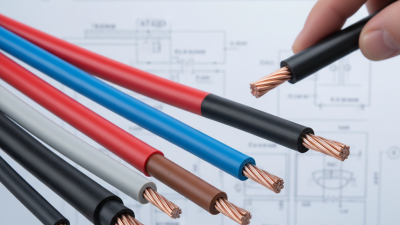
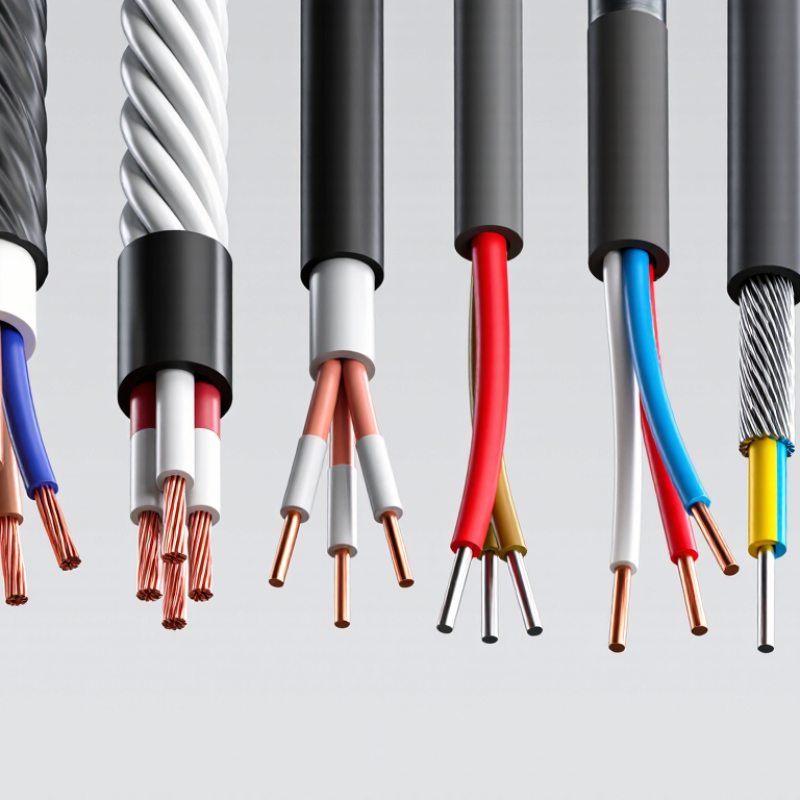
A two-core cable contains two separate conductors, each covered by its own insulation and held within a shared outer sheath. The conductors carry electrical current as a pair: one may supply power, while the other provides the return path. Two conductors. Depending on the cable type, they may be solid wires or bundles of fine strands. Stranded cores bend more easily, which can help when a cable must curve around a tight corner.
Inside the sheath, the cores may lie side by side or twist around each other. Some designs include fillers to keep the cable’s shape, or screens and armor for particular environments. These features are not present in every two-core cable. A common mistake is to treat “two core” as a complete specification. It only describes the conductor count; it does not tell you the conductor size, insulation material, voltage rating, or suitability for outdoor use. Construction details matter.
Tips: Check the cable markings and product data sheet before choosing one. Match the conductor size and insulation to the intended load and conditions. If the application is unclear, pause and verify it with a qualified electrician; guessing from appearance alone can be unreliable.
How Do Two-Core Cables Differ by Insulation and Conductor Material?
A two-core cable’s insulation and conductor material determine how it handles heat, movement, moisture, and voltage drop.
Copper is predictable. It conducts well and is commonly used in household wiring, control circuits, and flexible leads. Stranded copper bends more easily around a tight enclosure; solid copper suits fixed routes but tolerates repeated movement less well. Aluminum weighs less and may reduce material cost, yet its lower conductivity usually requires a larger conductor for comparable performance. Terminations also need careful attention because aluminum connections can loosen if the wrong fittings or installation methods are used.
The outer jacket matters too. PVC is a practical choice for many indoor applications because it is durable and economical, but its temperature and flexibility limits should match the installation. XLPE generally handles higher temperatures than ordinary PVC, while rubber or silicone insulation can suit cables exposed to frequent flexing or heat. Not every cable with a tough-looking jacket is suitable outdoors. Check the stated temperature range, voltage rating, conductor size, and environmental rating. A detail buyers sometimes miss: insulation thickness alone does not establish safety or performance. Cable capacity also depends on installation conditions, such as bundling and ambient temperature. There is no universal best material; matching the cable to the actual route and load takes more care than choosing by price.
Which 10 Types of Two-Core Cable Should Buyers Know?
Which 10 Types of Two-Core Cable Should Buyers Know? Buyers commonly compare flat twin, twin-and-earth, round PVC, rubber flexible, silicone-insulated, XLPE-insulated, armored, unarmored power, screened instrumentation, and twisted-pair signal cables. Each serves a different job. Flat twin suits neat indoor runs; rubber and silicone types handle movement or heat better. Armored cable adds mechanical protection, while screened cable can help reduce electrical interference. Small differences matter.
Check the conductor size, insulation temperature rating, voltage rating, and installation environment before choosing. NIST’s Handbook 100, Copper Wire Tables, reports annealed copper resistivity at 20°C as 1.7241 μΩ·cm. That figure helps explain why conductor material and cross-sectional area affect resistance and voltage drop. For a long run, a cable that looks substantial may still be undersized. I would not trust the label alone.
Tips: Match cable construction to the real route, not just the equipment. Inspect the datasheet for conductor area, temperature limits, and approved use. Ask a qualified electrician to check the selection where load or installation conditions are uncertain. A tidy coil is no proof of suitability.
Where Is Each Type of Two-Core Cable Commonly Used?
Top 10 Types of 2 Core Cable for Buyers
Where Is Each Type of Two-Core Cable Commonly Used?
Two-core cable selection depends on location, movement, moisture, and electrical load. PVC-insulated flexible cord commonly powers indoor lamps and small appliances. Rubber-sheathed flexible cable suits portable tools on building sites, where abrasion and occasional dampness are concerns. Flat twin-and-earth cable is used in fixed domestic wiring, typically behind walls or under floorboards; its earth conductor is separate, so it is not strictly a two-core cable. Speaker cable runs between amplifiers and loudspeakers, while paired alarm cable connects detectors and control panels.
Small detail. Still important.
Solar photovoltaic strings use paired DC conductors between modules and inverters. IEA PVPS’s Snapshot of Global PV Markets 2024 estimates 2023 solar additions at about 407–446 GW, reflecting differences in market reporting. That growth makes correct cable selection more than a catalogue choice: installers must match insulation and voltage ratings to the system and site.
Two-core marine cable is common aboard boats, where flexible, moisture-resistant insulation matters. Heat-resistant two-core cable serves appliances near warm components, while fire-resistant versions are used in specified alarm and emergency circuits. Check the cable’s markings and installation guidance. A neat type list cannot replace checking local conditions, and that step is easy to underestimate.
How Can Buyers Choose the Right Two-Core Cable for Their Needs?
Top 10 Types of 2 Core Cable for Buyers
How Can Buyers Choose the Right Two-Core Cable for Their Needs?
Start with the job, not the price. A two-core cable may carry power, control signals, or audio, and each use brings different demands. Check operating voltage, expected current, cable length, ambient temperature, and whether it will sit indoors, outdoors, or inside moving equipment. Longer runs can increase voltage drop; a cable that works on a short bench may perform poorly across a workshop. IEC 60228:2023 provides conductor-area and resistance tables, helping buyers compare copper conductors using measurable values. Match those figures to the equipment maker’s requirements and a qualified installer’s calculations.
Construction matters too. Solid conductors suit fixed routes, while stranded or flexible conductors bend more easily. Check insulation temperature rating, abrasion resistance, moisture exposure, and required flexibility. Do not assume thicker always means safer: terminals must accept the conductor, and installation conditions affect allowable current. This is where buyers sometimes rush. A neat specification sheet cannot replace checking the actual route, especially where cables pass near heat or sharp metal edges.
Tips: Ask suppliers for conductor material, nominal cross-section, rated voltage, temperature range, and test documentation. Compare resistance data against IEC 60228, then confirm suitability for the installation. If the cable will move repeatedly, inspect its flexibility rating and bend guidance. Leave the final sizing decision to a qualified professional when load or routing details are uncertain.