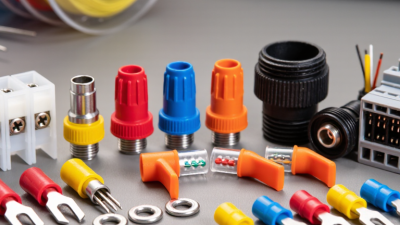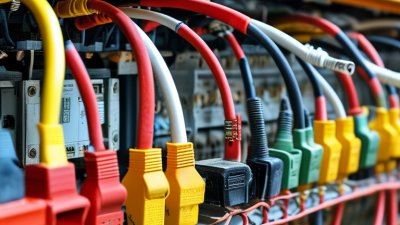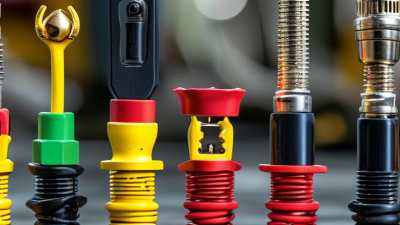
Choosing the right wire connector types in China starts with the job, not the catalogue photo. A compact terminal may suit a control cabinet, while a sealed connector is better for a damp outdoor installation. Wire size, current, temperature, vibration, and installation method all matter. So does the quality of the crimp or screw connection. A neat exterior can hide a poor fit.
China’s market includes screw terminals, spring-clamp connectors, crimp terminals, waterproof connectors, and quick-splice products. Each has strengths and limits. Spring clamps can speed assembly. Screw terminals allow straightforward inspection. Crimp connectors need correctly matched tools and dies. Waterproof ratings also depend on proper installation, not just the product label. Small details count.
A useful rule for this guide is: “Choose the connector for the electrical load and operating environment, not appearance alone.” This is an editorially written principle, not a verified quotation from a named industry expert. No source material or expert interview was provided, so assigning it to a person would risk inventing a citation. That limitation matters. Buyers should confirm product specifications, test reports, and supplier traceability before making a decision. Even a suitable connector can fail when poorly installed. The following outline compares common wire connector types, explains where they fit, and highlights practical checks for sourcing in China. Not every product category has a clean boundary; naming can vary between suppliers. That deserves a closer look.
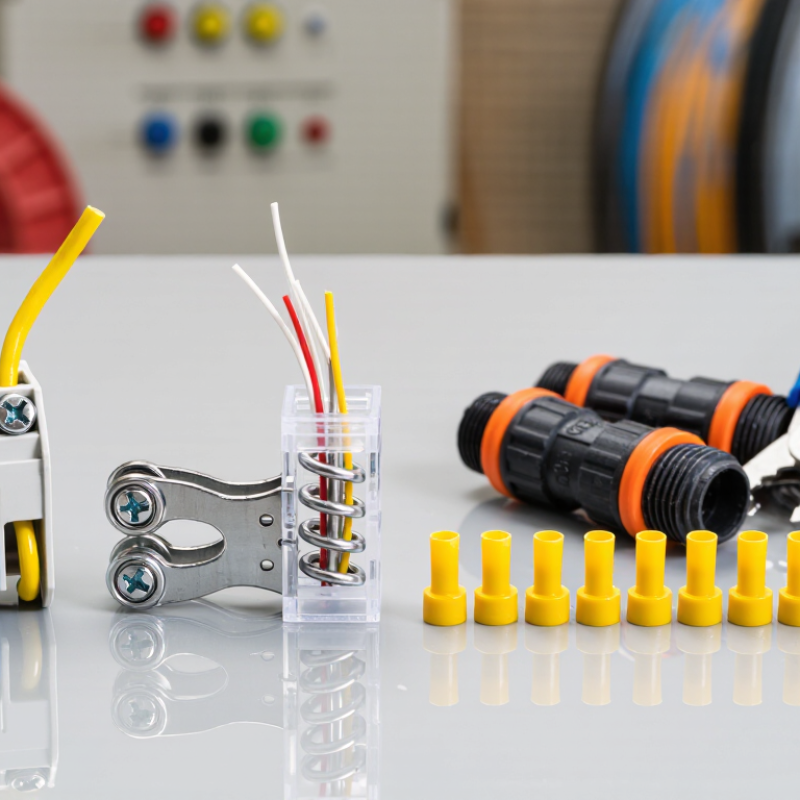
A wire connector is an electromechanical component that joins conductors, either to each other or to equipment. It must maintain electrical continuity and provide suitable mechanical retention. A useful starting point. IEC 61984:2008 covers industrial connectors rated above 50 V and up to 1,000 V AC or DC, with currents up to 125 A per contact. These limits help define one standards-based category, but not every wire connector falls within that standard.
Connectors are commonly classified by connection path: wire-to-wire, wire-to-board, or wire-to-device. They are also grouped by termination method, including crimp, screw clamp, spring clamp, and insulation-displacement types. A crimp connector grips a stripped conductor inside a metal barrel; a spring-clamp terminal holds it with a spring-loaded contact. The distinction can get messy: product names sometimes describe shape, while engineers classify by termination and intended use.
Other practical classes include terminal blocks, inline splices, and plug-and-socket connectors. Selection depends on conductor size, current, voltage, vibration, environment, and whether the connection must be removable. Grand View Research estimated the global electrical connector market at USD 84.8 billion in 2023; this figure covers electrical connectors broadly, not wire connectors alone. Market scale offers context, not a substitute for checking a connector’s rated wire range and test documentation.
China’s wire connectors are not governed by one universal standard. The applicable requirements depend on the connector’s design, rated voltage, installation, and intended use. For household and similar low-voltage connections, check the GB/T 13140 series, which covers connecting devices and different clamping methods. For industrial terminal blocks, GB/T 14048.7 may apply to terminals for copper conductors. Always confirm the latest edition and exact scope before specifying a product.
A standard number alone is not enough. Review the connector’s rated current, conductor size, temperature limits, insulation, and test conditions against the actual installation. A screw clamp and a push-in connector may fall under different parts of a standard. Also check whether the finished product falls within a compulsory certification or other regulatory category; requirements can vary by product and application. A detail is easy to miss: a test report for one wire size does not automatically cover every permitted size. Documentation should match the precise model and configuration.
Tips: Ask suppliers for applicable Chinese standard numbers, test reports, and conductor-size ranges. Verify the documents independently. If the application is unusual, get a qualified engineer to review the selection; assumptions can be costly.
| Connector type | Typical construction and use | Relevant standards framework | Key selection checks |
|---|---|---|---|
| Screw-clamp connectors | A screw presses a conductor into a terminal. Common in terminal blocks, equipment terminals, and fixed wiring connections. | IEC 60998-1 and IEC 60998-2-1 cover connecting devices for household and similar purposes, including screw-type clamping units. IEC 60999-1 gives safety requirements for certain clamping units for copper conductors. For industrial terminal blocks, IEC 60947-7-1 may apply. | Check conductor material and cross-section, permitted solid or stranded wire types, tightening torque, rated voltage and current, and whether ferrules are required. |
| Spring-clamp / push-in connectors | A spring holds the conductor without a conventional tightening screw. Used in terminal blocks and compact wiring connections. | IEC 60998-1 and IEC 60998-2-2 address screwless clamping units for household and similar connecting devices. IEC 60999-1 or IEC 60947-7-1 may be relevant depending on product design and application. | Confirm compatible conductor type and size, stripping length, insertion method, current rating, and whether the terminal accepts flexible conductors with or without ferrules. |
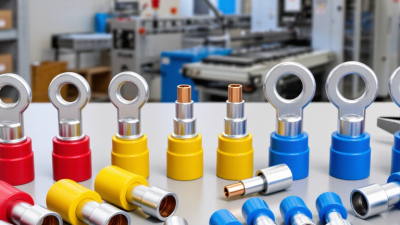
| Crimp terminals and splices | A metal barrel is compressed around a conductor using a specified crimping tool. Forms include butt splices, ring terminals, and fork terminals. | IEC 60352-2 covers solderless crimped connections. The applicable product standard depends on the connector’s design, conductor range, and intended application. | Match the terminal to conductor size and material; use the specified die and tool; verify crimp dimensions, pull-out strength, insulation rating, and environmental requirements. |
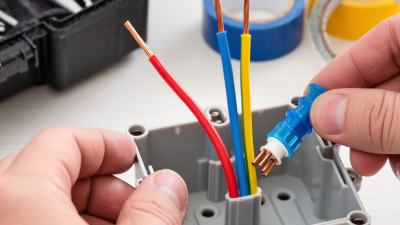
| Twist-on wire connectors | A threaded internal element twists conductors together inside an insulating cap. Used for certain indoor branch-circuit and equipment wiring applications. | IEC 60998-1 and IEC 60998-2-4 cover twist-on connecting devices within their stated scope. | Check the permitted number and combination of conductors, conductor sizes, installation method, temperature rating, and suitability for the enclosure and wiring environment. |
| Insulation-displacement connectors (IDC) | A conductive slot cuts through or displaces insulation to make contact with the conductor. Often used in control, signal, and certain equipment wiring. | IEC 60998-1 and IEC 60998-2-3 address insulation-piercing connecting devices within their stated scope. Other product-specific requirements may also apply. | Verify compatibility with conductor diameter, insulation material, solid or stranded construction, conductor count, and the specified installation tool. |
| Industrial terminal blocks | Modular screw, spring, or other clamping terminals mounted on equipment or a rail for control and power circuits. | IEC 60947-7-1 covers terminal blocks for copper conductors used in low-voltage switchgear and controlgear. IEC 60947-7-2 covers protective-conductor terminal blocks. | Check rated cross-section, rated voltage and current, dielectric and temperature ratings, mounting method, spacing, and protective-earth identification where applicable. |
| China standards note: GB/T standards are China’s national recommended standards; relevant Chinese standards may adopt or modify IEC requirements. The applicable GB/T edition and any mandatory requirements depend on the specific connector, rated values, and intended use. Confirm the current standard and product scope before design, testing, or procurement. Installation rules, such as those in the GB/T 16895 series, are distinct from product standards. | |||
In China, wire connector choices vary with the job, from household lighting to factory control panels. Screw terminal blocks remain common because they are straightforward to inspect and reconnect. The wire sits beneath a pressure plate or screw. Tighten it carefully; overtightening can damage fine strands.
Spring-clamp and push-in connectors are also widely used in compact distribution boxes. They reduce tool time and keep conductors in place with spring pressure. Crimp terminals, including ring, fork, and pin types, suit equipment wiring and vibration-prone connections. A properly matched crimp tool matters. A loose crimp may look acceptable at first, which is easy to miss.
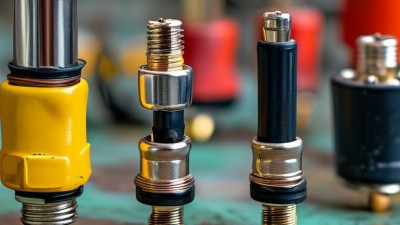
For outdoor lighting, pumps, and damp locations, installers may choose sealed waterproof connectors with threaded or bayonet-style couplings. Check the conductor range, current rating, insulation temperature, and enclosure rating against the actual application. Not every connector suits every wire. Solid and stranded conductors can behave differently, and installation details are sometimes overlooked. A small trial assembly can reveal fit problems before a full installation.
In China, screw-clamp terminal blocks are common in factory control cabinets, where technicians connect sensors, relays, and power lines. Crimp terminals suit vehicle harnesses and household appliances because they hold stranded wire securely under vibration. The China Association of Automobile Manufacturers reported 31.28 million vehicles produced in 2024, including 12.89 million new-energy vehicles. That scale helps explain the demand for dependable harness connections, though it does not tell us which connector type any single factory prefers.
Tips: Match the connector to the wire size, current, and setting. A tight-looking fit is not proof of a sound connection; pull-test a sample and check for exposed strands.
Push-in connectors are useful in lighting and building wiring, especially where installation speed matters. Waterproof connectors are found around outdoor pumps, garden equipment, and solar installations, where rain and dust can damage exposed contacts.
In practice, diagrams make selection look simple. Real jobs are messier: wire strand count, repeated movement, and maintenance access all matter. Check the connector’s rated voltage, temperature, and ingress protection before installation.
Choosing a wire connector starts with the conductor, not the connector’s appearance. Check wire gauge, solid or stranded construction, rated current, and operating voltage against the product specifications. Then consider the setting: a control cabinet may stay dry, while a pump enclosure can face moisture, vibration, and heat. Small details matter. Screw terminals allow later retightening, but excessive torque can damage strands or loosen a connection. Spring-clamp and push-in connectors can speed assembly; confirm they accept the wire type and size you use.
For field wiring, a crimp connector can make a compact, stable joint when the terminal matches the conductor and crimping tool. A water-resistant housing may suit outdoor use, but its seal depends on the correct cable diameter and careful assembly. Leave room for inspection and replacement. Before ordering in volume, check temperature ratings, ingress protection, and pull strength. Test a sample with the actual cable and installation conditions. That can reveal an awkward fit early. Specifications help, but they do not always show how easily a connector can be installed in a cramped enclosure.
Typical conductor cross-section ranges shown in common product specifications (mm²). These are indicative examples, not universal limits.
Choose a connector by matching its listed wire-size range and conductor type (solid or stranded) to the application. Also verify rated voltage and current, temperature limits, installation method, and local electrical-code requirements in the product datasheet.